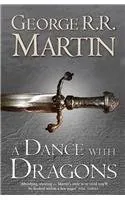
Books like A Dance with Dragons
The lamps are guttering over three crowded tables: bargains are being struck, old powers are stirring, and every apparent victory has already begun to rot from within.
If you liked A Dance with Dragons, you’ll love these
Not lookalikes — kindred books. Each one shares something essential with A Dance with Dragons, and we tell you exactly what.
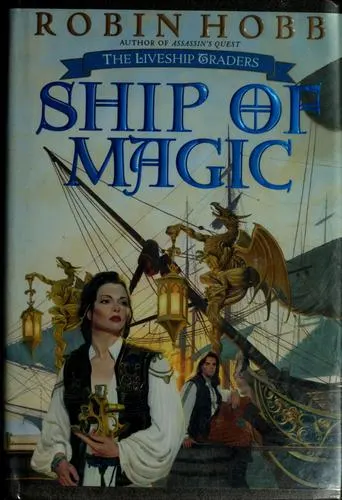
Hobb shares Martin’s rare ability to make an enormous fantasy narrative feel painfully intimate. A trading family’s failing fortunes splinter its members into competing ambitions, while sentient ships and half-understood sea creatures gradually turn commercial trouble into something uncanny and vast.
Like A Dance with Dragons, this is patient, cumulative storytelling: loyalties change, captivity reshapes people, and characters initially easy to despise become disturbingly comprehensible. Hobb’s particular gift is emotional consequence—every humiliation and compromise leaves a mark. The opening volume of the beloved Liveship Traders trilogy, Ship of Magic offers the same intoxicating sense that dozens of private wounds are becoming history.

If the most gripping parts of A Dance with Dragons were the impossible work of ruling—reading a room, feeding enemies, calculating which ally will betray you—Wolf Hall is indispensable. Mantel places you inside Thomas Cromwell’s quick, watchful mind as he rises through Henry VIII’s court, where a remembered insult or ambiguous sentence can alter a kingdom.
Its violence usually begins in conversation, and its politics are never abstract: power depends on debts, marriages, appetites, paperwork and the ability to understand what frightened people will do next. Mantel’s radically intimate Cromwell helped Wolf Hall win the Booker Prize and transformed the modern historical novel. Few books make intelligence itself feel so thrilling—or political survival so precarious.
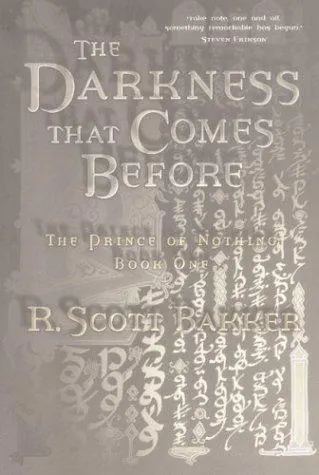
For readers drawn to the slow, ominous expansion of Martin’s world—the conviction that political struggles are unfolding beneath the shadow of something older and worse—Bakker’s opening to The Prince of Nothing is a formidable next step. Its scattered rulers, spies, priests and warriors converge around a holy war, while an unnervingly perceptive outsider begins moving among them.
Bakker writes epic fantasy as philosophy under battlefield pressure. Faith, desire and certainty become weapons; conversations can feel like duels whose loser does not yet know he has been defeated. The book is colder and more demanding than Martin, but that severity has earned the series a devoted following. Its ancient mysteries and ruthless examinations of power linger like a nightmare whose logic remains persuasive after waking.