Author
Books like Edith Wharton
8 books we recommend to Edith Wharton readers, drawn from The Age of Innocence, The House of Mirth, The Custom of the Country and The Reef — each with the reason why.
If you loved The Age of Innocence
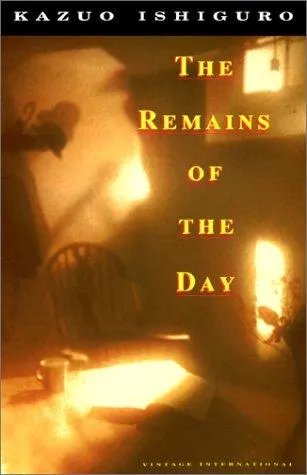
Ishiguro relocates Wharton’s great subject—the life sacrificed to an ideal of correct behavior—inside a single, exquisitely guarded consciousness. Stevens, an English butler taking a rare journey away from the house he has served, narrates with such composure that every evasion becomes eloquent. What he cannot quite admit matters more than what he says.
Like The Age of Innocence, this is a novel of muted conversations, missed openings, and hindsight arriving with terrible clarity. Its emotional power depends on restraint: Ishiguro never begs for tears, and therefore earns them. The Booker Prize recognized its mastery, but its lasting hold on readers comes from a more intimate achievement—it makes dignity, self-deception, and regret almost impossible to separate.
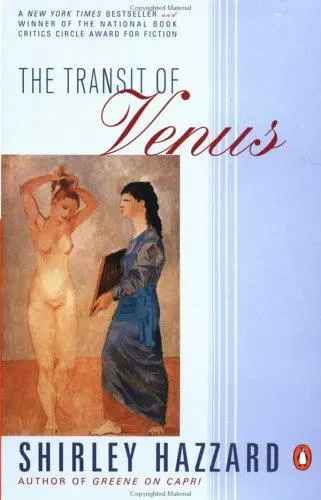
Caro and Grace Bell leave Australia for postwar England and enter a social world whose polished surfaces conceal appetite, calculation, and danger. Hazzard observes that world with Wharton-like acuity, especially the unequal freedoms granted to men and women, but her prose has its own electric compression: a sentence can begin as social comedy and end as prophecy.
What will especially satisfy an admirer of The Age of Innocence is the novel’s sense that love is shaped not only by feeling but by timing, pride, silence, and the stories people tell about themselves. Winner of the National Book Critics Circle Award and cherished with unusual fervor by writers and readers, it is a novel to reread for its intricate design. The first time, it sweeps you along; afterward, you realize how much Hazzard had quietly placed in plain sight.
If you loved The House of Mirth
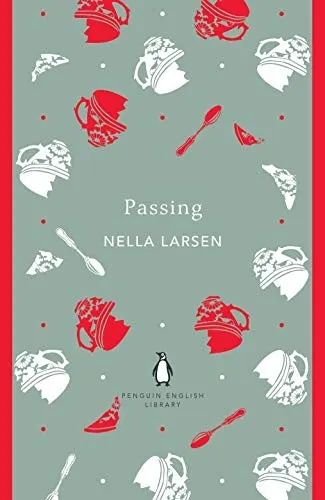
Larsen compresses an entire society’s vigilance into a short, charged novel. Irene Redfield’s encounter with the magnetic Clare Kendry unsettles her carefully ordered life, and every subsequent gesture—a glance across a room, a confidence offered too casually, a silence held too long—acquires dangerous weight.
A lover of The House of Mirth will recognize the drama of women who must continually manage how others read them. But Larsen makes perception itself unstable: Irene’s judgments are socially acute, emotionally defensive, and never wholly trustworthy. The result is an elegant study of identity, desire, security, and self-deception whose restraint only intensifies its force. Long recognized as a Harlem Renaissance classic, Passing has inspired generations of argument because its ambiguities feel less like puzzles than traps waiting for each new reader.
If you loved The Custom of the Country
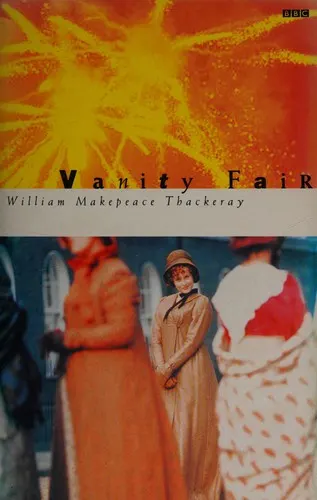
Becky Sharp is Undine Spragg’s great literary ancestor: intelligent, unsentimental, and unwilling to accept the modest destiny assigned to her. From the moment she leaves school, she treats society not as a moral order but as a game whose rules can be exploited.
What makes Vanity Fair an essential companion to Wharton is its wider indictment. Becky is ruthless, but the supposedly respectable people around her are vain, acquisitive, and easily manipulated; her success exposes them. Thackeray’s insinuating narrator makes readers enjoy judgments they may later regret. Few novels have exerted more influence on the social-climbing antiheroine, and Undine’s admirers should meet the woman who helped make her possible.
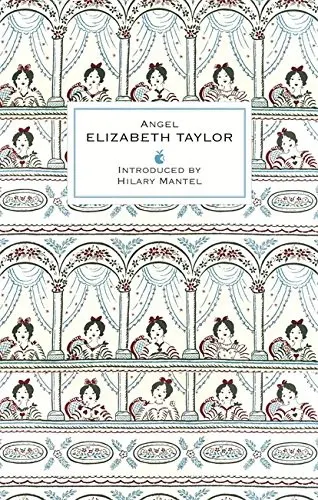
Angelica Deverell, a provincial girl possessed by grandiose literary dreams, has Undine’s magnificent immunity to embarrassment. She does not perceive the gulf between her fantasies and reality, and that blindness becomes a formidable source of power. Taylor renders her with merciless comic precision while preserving the mystery of how sheer self-belief can bend other lives around it.
Elizabeth Taylor is cherished by novelists for her psychological exactness, and Angel is among her boldest creations: funny, grotesque, unexpectedly moving, and utterly unlike the tasteful domestic fiction its setting initially suggests. If Undine’s indestructibility delighted you—even as it appalled you—Angel will feel like the discovery of another irresistible natural force.
Aroon St Charles believes that breeding and “good behaviour” can keep every ugliness safely unnamed. The reader understands almost immediately that her decorous account is concealing catastrophe from everyone except herself. Molly Keane turns table manners, euphemisms, and family rituals into instruments of devastating irony.
Where Wharton exposes the barbarism beneath modern social ambition, Keane exposes the violence beneath aristocratic composure. Her comedy is darker and more intimate, built from everything the narrator cannot admit. Booker-shortlisted on publication and now regarded as Keane’s masterpiece, Good Behaviour delivers the rare pleasure of a novel whose every courteous sentence tightens the trap.
If you loved The Reef
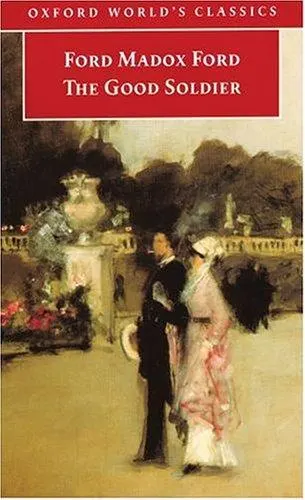
Ford turns cultivated restraint into an instrument of suspense. Two affluent couples appear to share an orderly friendship, but the narrator’s looping recollections gradually expose how little he has understood about desire, loyalty, and his own marriage. As in The Reef, knowledge never arrives cleanly: every disclosure changes the moral weight of what came before.
Its celebrated opening—“This is the saddest story I have ever heard”—is only the first demonstration of Ford’s unnerving control. Few novels make uncertainty so intimate. A reader responsive to Wharton’s pauses, evasions, and fatal reinterpretations should find this compact modernist masterpiece almost impossible to put down.
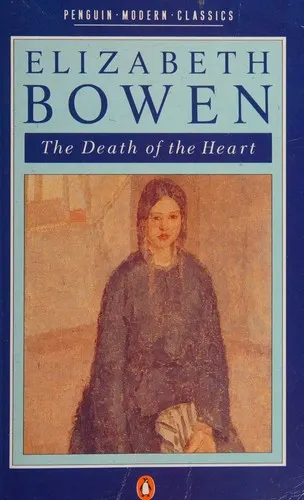
Bowen shares Wharton’s genius for showing cruelty carried out through impeccable behavior. Sixteen-year-old Portia arrives in the polished London household of her half-brother and his wife, bringing an earnest hunger for affection that the adults around her find both touching and inconvenient. Her very openness reveals the evasions on which their world depends.
Bowen’s sentences catch every shift of sympathy and every social chill; rooms, letters, and casual remarks become charged evidence. Widely regarded as one of her finest novels, The Death of the Heart offers the same painful pleasure as The Reef: watching intelligent people recognize emotional truth just late enough for recognition itself to become dangerous.