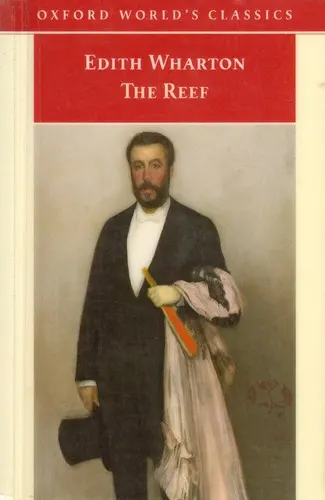
Books like The Reef
In The Reef, catastrophe gathers in the hairline gap between what people feel, what they understand, and what good manners permit them to say.
If you liked The Reef, you’ll love these
Not lookalikes — kindred books. Each one shares something essential with The Reef, and we tell you exactly what.
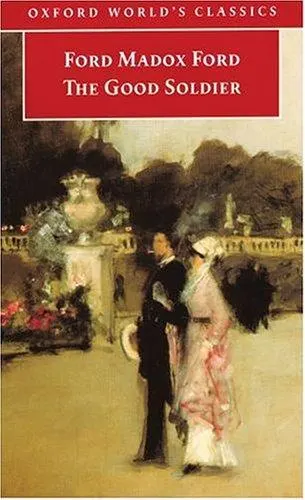
Ford turns cultivated restraint into an instrument of suspense. Two affluent couples appear to share an orderly friendship, but the narrator’s looping recollections gradually expose how little he has understood about desire, loyalty, and his own marriage. As in The Reef, knowledge never arrives cleanly: every disclosure changes the moral weight of what came before.
Its celebrated opening—“This is the saddest story I have ever heard”—is only the first demonstration of Ford’s unnerving control. Few novels make uncertainty so intimate. A reader responsive to Wharton’s pauses, evasions, and fatal reinterpretations should find this compact modernist masterpiece almost impossible to put down.
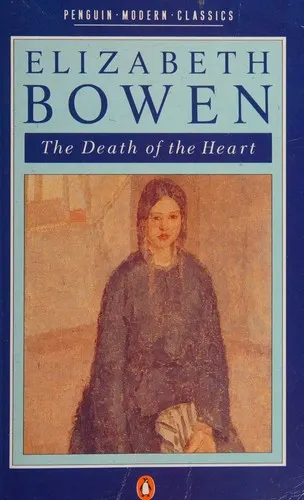
Bowen shares Wharton’s genius for showing cruelty carried out through impeccable behavior. Sixteen-year-old Portia arrives in the polished London household of her half-brother and his wife, bringing an earnest hunger for affection that the adults around her find both touching and inconvenient. Her very openness reveals the evasions on which their world depends.
Bowen’s sentences catch every shift of sympathy and every social chill; rooms, letters, and casual remarks become charged evidence. Widely regarded as one of her finest novels, The Death of the Heart offers the same painful pleasure as The Reef: watching intelligent people recognize emotional truth just late enough for recognition itself to become dangerous.
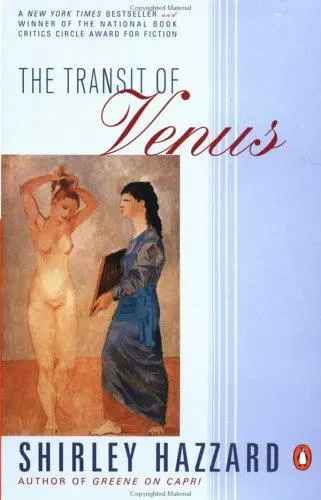
Hazzard’s novel begins with two Australian sisters entering postwar English society, then traces the gravitational pull of love, ambition, and compromised choice across decades. Its kinship with The Reef lies less in milieu than in its moral geometry: one person’s hesitation alters another’s life, while apparently minor encounters accumulate an almost frightening significance.
Winner of the National Book Critics Circle Award, it has inspired unusually fierce devotion among readers for its lapidary prose and astonishing structural control. Hazzard writes with Wharton’s alertness to power inside intimacy, but with a more prophetic, time-spanning intensity. The result is a novel to reread—not merely because its patterns become clearer, but because every rereading makes them more devastating.