
Books like Angel
Grandiose dreams bloom in airless rooms, while comedy keeps shading—almost imperceptibly—into desolation. These novels share Taylor’s fascination with self-invention, ruthless irony, and the strange dignity of people trapped inside their own myths.
If you liked Angel, you’ll love these
Not lookalikes — kindred books. Each one shares something essential with Angel, and we tell you exactly what.
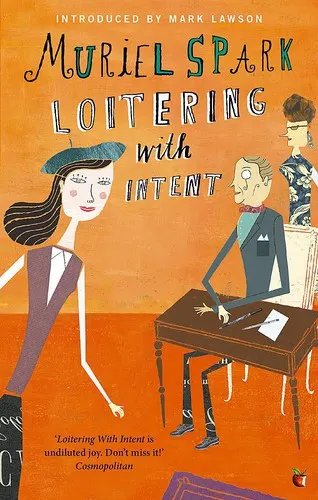
Fleur Talbot, an aspiring novelist in postwar London, takes a secretarial job with a bizarre organization devoted to writing its members’ memoirs. Soon, life begins behaving suspiciously like fiction.
Spark’s Booker-shortlisted novel offers the cerebral mirror image of Angel. Fleur understands the power of invention, whereas Angel is consumed by it; yet both books delight in the novelist as an audacious, faintly monstrous creator. Spark’s wit is sharper and more playful than Taylor’s, but equally economical: vanity is exposed in a phrase, pomposity punctured without warning. It is a wonderfully buoyant novel about artistic confidence, manipulation, and the dangerous pleasure of turning other people into material.
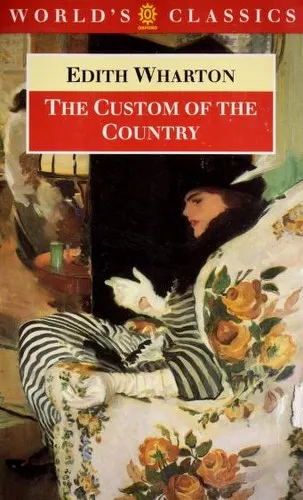
Undine Spragg arrives in New York society armed with beauty, appetite, and an almost sublime inability to imagine that the world might not arrange itself for her benefit. Like Angel, she is appalling, magnetic, resourceful, and impervious to correction.
Wharton makes social climbing feel both brutally funny and elemental. Undine lacks Angel’s literary fantasies, but she possesses the same absolute faith in her own deservingness—and the same talent for converting other people’s sacrifices into proof of her importance. The novel’s lasting greatness lies in Wharton’s refusal either to sentimentalize her heroine or to reduce her to a joke. Few novels sustain such exhilarating momentum while anatomizing selfishness so precisely; Undine is one of fiction’s unforgettable forces of nature.
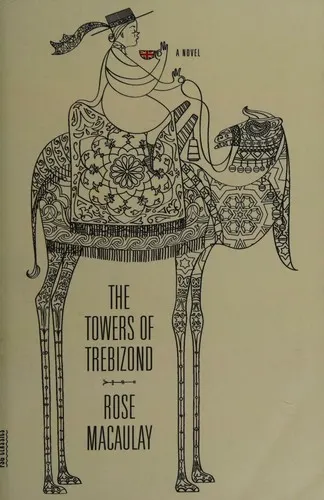
A camel, an eccentric aunt, an Anglican mission, and a journey through Turkey give Macaulay’s novel an opening of incomparable comic lightness. Beneath the absurdity, however, its narrator is carefully avoiding truths about herself that cannot be laughed away.
This is the recommendation for readers who cherish the ache beneath Angel’s satire. Macaulay understands that self-deception can be ridiculous and necessary at once, and that fantasy may protect a person even as it ruins her chances of happiness. The prose shifts effortlessly from travel comedy to spiritual longing without losing its dry intelligence. Winner of the James Tait Black Memorial Prize, it has inspired unusually devoted readers because its sadness seems to deepen after the laughter ends.