Author
Books like Denis Johnson
8 books we recommend to Denis Johnson readers, drawn from Train Dreams, Tree of Smoke and Angels — each with the reason why.
If you loved Train Dreams
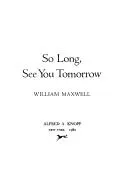
Maxwell turns a few remembered events—a murder in rural Illinois, a broken friendship, a boy’s failure to act—into a profound inquiry into guilt and the stories we tell about the dead. Like Johnson, he writes with such clarity and restraint that the emotion seems to rise from the silences between sentences.
This is a miniature with the moral and emotional reach of a much longer novel. Maxwell’s masterpiece is cherished by writers for its nearly invisible craftsmanship: memory quietly becomes imagination, and imagination an act of compassion. If Train Dreams made one obscure life feel immeasurably important, this book performs the same miracle.
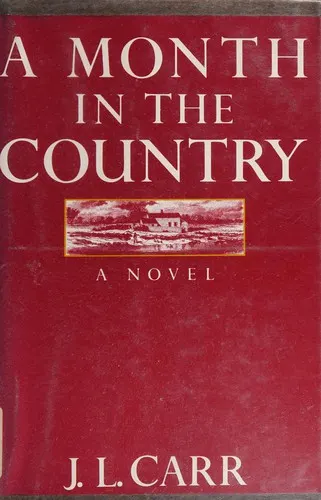
In the summer after the First World War, a damaged young veteran comes to a Yorkshire village to uncover a medieval mural in a church. Carr makes the slow revelation of the painting inseparable from the man’s tentative return to life: sunlight, work, friendship, and fleeting happiness accumulate almost imperceptibly.
Booker-shortlisted and beloved far beyond its modest dimensions, A Month in the Country shares Train Dreams’ understanding that paradise may be recognizable only after it has vanished. Its beauty is gentle rather than wild, but its brevity has the same astonishing density. You finish it feeling you have remembered a summer you never lived.

Robinson’s celebrated debut follows two orphaned sisters in the lakeside town of Fingerbone, where family history, transience, and the natural world exert equally powerful claims. The lake, cold, darkness, and encroaching vegetation are not decorative scenery; they seem to possess their own consciousness, as the Idaho forests do in Train Dreams.
Robinson’s biblical cadences and startling images let ordinary reality drift toward myth without ever losing emotional precision. Yet Housekeeping is stranger and more defiant than a simple tale of grief: it asks whether belonging is shelter or captivity. Winner of the PEN/Hemingway Award and now an American classic, it offers that rare Train Dreams sensation of entering a landscape that feels both physically exact and haunted by eternity.
If you loved Tree of Smoke

Stone gives you the same America Johnson sees: grandiose, spiritually hungry, and already rotting beneath its ideals. Beginning in the last years of the Vietnam War, the novel follows a reckless heroin deal whose participants imagine they can control the consequences. Stone renders their self-deception with savage comedy, suspense, and a nearly biblical sense of judgment.
Winner of the National Book Award, Dog Soldiers is one of the essential novels of Vietnam’s corruption of the American imagination. Its violence matters, but its real kinship with Tree of Smoke lies in the way politics, drugs, masculinity, and metaphysical dread become inseparable. If Johnson’s doomed operatives fascinated you, Stone’s desperate believers and nihilists are indispensable company.
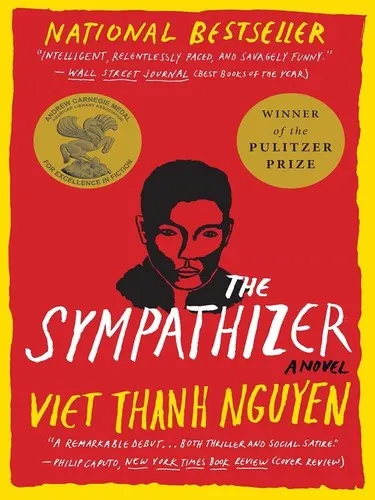
Tree of Smoke distrusts every clean account of war; The Sympathizer turns that distrust into a voice. Its unnamed narrator, a communist agent embedded in the South Vietnamese military, is divided not only between allegiances but between ways of understanding himself. His confession is intellectually ferocious, grotesquely funny, and always alert to the stories nations manufacture to excuse what they do.
Nguyen’s Pulitzer Prize winner revises the American literature of Vietnam from inside its blind spots without becoming a thesis disguised as fiction. It has the momentum of espionage, the bite of satire, and the moral instability of a nightmare. Anyone who loved Johnson’s collision of covert history and damaged consciousness should hear this brilliant countervoice.
A Portuguese veteran sits in a Lisbon bar and speaks through the night, but ordinary recollection soon dissolves into the Angola war: hospitals, barracks, desire, disgust, homesickness, and images that return with the irrational force of trauma. Lobo Antunes does not arrange experience into consoling lessons. His long, surging sentences make memory feel bodily and inescapable.
That fractured lyricism is what makes this such a powerful match for Tree of Smoke. Both novels find beauty inside psychic ruin without beautifying war, and both understand that the conflict continues within language long after events have ended. Lobo Antunes, a major figure in Portuguese literature and a recipient of the Camões Prize, commands fierce devotion; this early novel shows why with almost unbearable intensity.
If you loved Angels
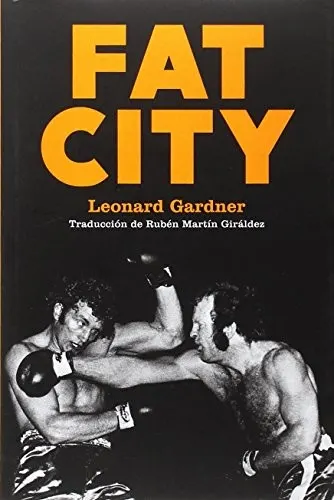
Gardner’s short, nearly flawless novel follows an aging boxer attempting a comeback and the younger fighter who briefly awakens that hope. Like Angels, it refuses the consolations usually imposed on damaged lives: effort may not redeem anyone, self-knowledge may arrive too late, and tenderness often appears in humiliating forms.
Its lean prose has Johnson’s gift for making defeat beautiful without beautifying it. Johnson himself wrote the introduction to the NYRB Classics edition—an endorsement that feels less like literary genealogy than recognition between kindred spirits. Fat City is a cult classic because nothing in it is wasted; miss it, and you miss one of the purest American novels about hope surviving after reason has abandoned it.
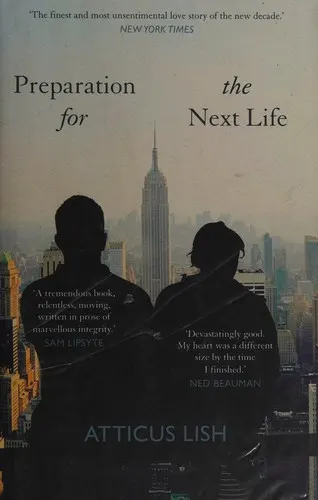
Zou Lei, an undocumented immigrant surviving on the industrial edges of New York, meets Skinner, a damaged Iraq veteran barely holding himself together. Lish builds their attachment from concrete things—food, rented rooms, exercise, hourly work—until ordinary endurance acquires an almost religious intensity.
This is the match for readers who loved Johnson’s radical compassion. Lish never turns deprivation into scenery or suffering into nobility; he shows how love can be both sustaining and frightening when two people possess almost no protection from the world. The novel’s immense physical detail suddenly lifts into lyrical exaltation, much as Angels rises from squalor into vision. Its PEN/Faulkner Award confirmed what its fiercely devoted readers already knew: this is a major American novel about lives the country trains itself not to see.