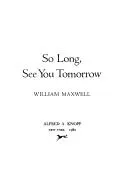
Books like So Long, See You Tomorrow
In the wake of his mother’s death, a boy watches a new house rise, as though timber and plaster might give grief another shape. These novels share Maxwell’s rare ability to make memory, silence, and belated understanding almost unbearably vivid.
If you liked So Long, See You Tomorrow, you’ll love these
Not lookalikes — kindred books. Each one shares something essential with So Long, See You Tomorrow, and we tell you exactly what.
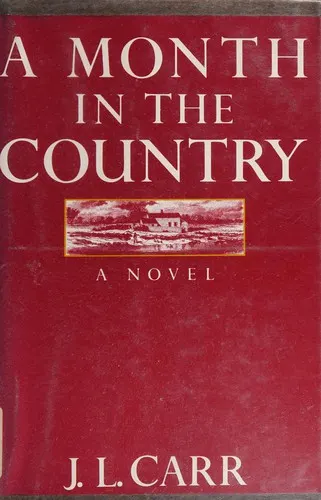
A veteran arrives in a Yorkshire village to uncover a medieval mural hidden beneath whitewash. That patient work becomes Carr’s perfect image for memory itself: the past emerges fragment by fragment, beautiful but permanently damaged.
Like Maxwell, Carr writes with exquisite compression and trusts reticence more than confession. The older narrator knows how much his younger self failed to understand, so every remembered pleasure carries the ache of its ending. Booker-shortlisted and cherished far beyond its modest dimensions, this is one of those short novels readers press into other people’s hands: tender, funny, and quietly devastating.
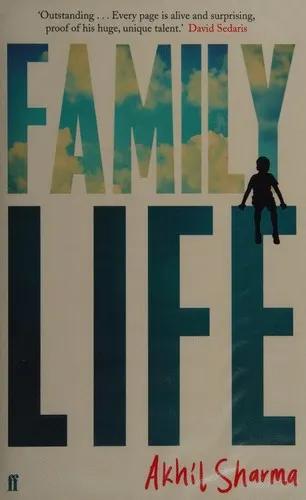
Sharma begins with an Indian family’s move to America, then lets one calamity reorder every relationship within it. His narrator’s plain, almost childlike statements create effects much like Maxwell’s lucid sentences: emotion is never advertised, yet grief, shame, resentment, and love accumulate until the simplest observation becomes crushing.
What makes the Folio Prize-winning Family Life exceptional is its moral candor. It refuses to make suffering ennobling or family devotion uncomplicated; instead, it catches the humiliating thoughts people have when trapped inside love and obligation. A Maxwell reader will recognize the bravery required to revisit childhood without either prosecuting or forgiving it too easily.
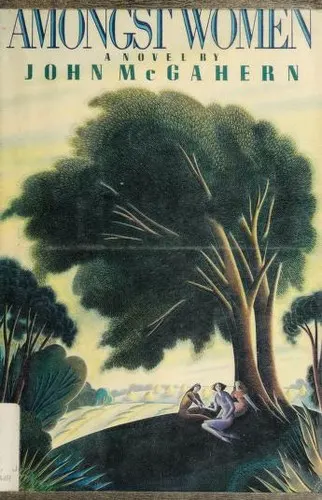
Moran, an aging veteran of the Irish War of Independence, rules his household through pride, tenderness, grievance, and fear. McGahern does not explain him from above. He reveals the family through repeated prayers, meals, departures, and homecomings—the ordinary rituals by which affection and domination become almost impossible to separate.
This Booker-shortlisted novel, widely regarded as McGahern’s masterpiece, has Maxwell’s profound attentiveness to what families cannot say. Its prose is calm enough to register every shift of loyalty, and its compassion never blurs into sentimentality. By the end, an entire household’s history seems to reside in gestures so small another novelist might not have noticed them.