
Books like Angels
Angels turns a Greyhound bus into America’s last shabby chapel: strangers meet among exhaustion, bad luck, and cheap intoxicants, while Johnson’s language keeps finding flashes of holiness no one has earned.
If you liked Angels, you’ll love these
Not lookalikes — kindred books. Each one shares something essential with Angels, and we tell you exactly what.
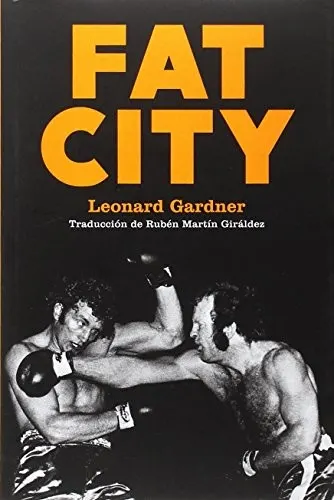
Gardner’s short, nearly flawless novel follows an aging boxer attempting a comeback and the younger fighter who briefly awakens that hope. Like Angels, it refuses the consolations usually imposed on damaged lives: effort may not redeem anyone, self-knowledge may arrive too late, and tenderness often appears in humiliating forms.
Its lean prose has Johnson’s gift for making defeat beautiful without beautifying it. Johnson himself wrote the introduction to the NYRB Classics edition—an endorsement that feels less like literary genealogy than recognition between kindred spirits. Fat City is a cult classic because nothing in it is wasted; miss it, and you miss one of the purest American novels about hope surviving after reason has abandoned it.

A journalist in Vietnam makes a reckless decision involving heroin, setting in motion a journey through an America whose countercultural promises have curdled into paranoia and predation. The kinship with Angels lies in the velocity: characters keep choosing disaster with enough lucidity to understand it and not enough freedom to stop.
Stone gives criminal desperation genuine metaphysical pressure. His people joke, philosophize, betray one another, and glimpse transcendence while danger closes around them. Winner of the National Book Award, Dog Soldiers remains one of the defining novels of American moral exhaustion—tense as a thriller, but haunted by the larger question Angels also asks: what if grace exists, yet cannot save us from ourselves?
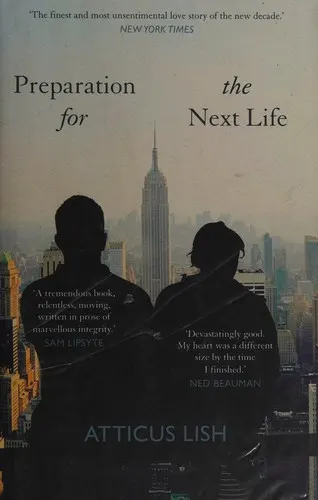
Zou Lei, an undocumented immigrant surviving on the industrial edges of New York, meets Skinner, a damaged Iraq veteran barely holding himself together. Lish builds their attachment from concrete things—food, rented rooms, exercise, hourly work—until ordinary endurance acquires an almost religious intensity.
This is the match for readers who loved Johnson’s radical compassion. Lish never turns deprivation into scenery or suffering into nobility; he shows how love can be both sustaining and frightening when two people possess almost no protection from the world. The novel’s immense physical detail suddenly lifts into lyrical exaltation, much as Angels rises from squalor into vision. Its PEN/Faulkner Award confirmed what its fiercely devoted readers already knew: this is a major American novel about lives the country trains itself not to see.