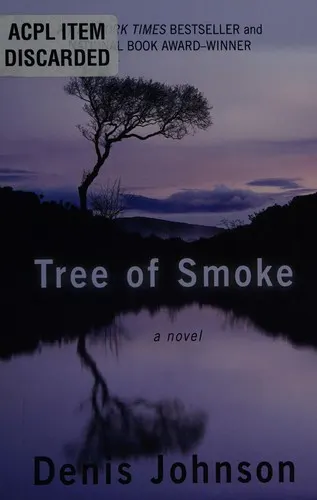
Books like Tree of Smoke
Years later, what lingers is the novel’s feverish moral weather: compromised people stumbling through war, espionage, faith, narcotics, and failed loyalties while Denis Johnson’s prose keeps finding flashes of terrible beauty.
If you liked Tree of Smoke, you’ll love these
Not lookalikes — kindred books. Each one shares something essential with Tree of Smoke, and we tell you exactly what.
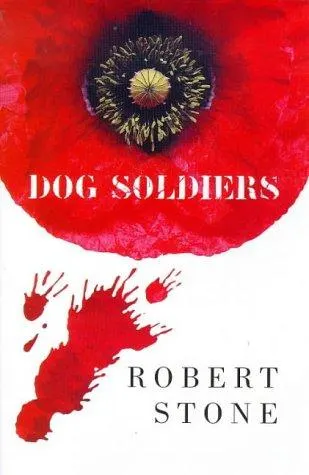
Stone gives you the same America Johnson sees: grandiose, spiritually hungry, and already rotting beneath its ideals. Beginning in the last years of the Vietnam War, the novel follows a reckless heroin deal whose participants imagine they can control the consequences. Stone renders their self-deception with savage comedy, suspense, and a nearly biblical sense of judgment.
Winner of the National Book Award, Dog Soldiers is one of the essential novels of Vietnam’s corruption of the American imagination. Its violence matters, but its real kinship with Tree of Smoke lies in the way politics, drugs, masculinity, and metaphysical dread become inseparable. If Johnson’s doomed operatives fascinated you, Stone’s desperate believers and nihilists are indispensable company.
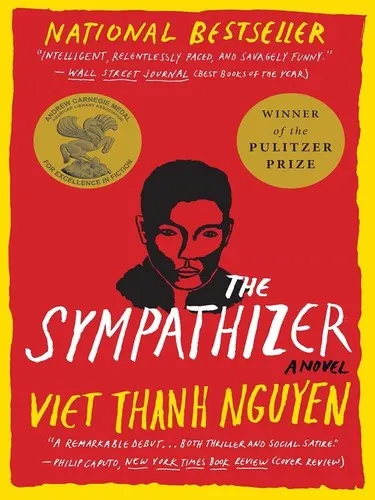
Tree of Smoke distrusts every clean account of war; The Sympathizer turns that distrust into a voice. Its unnamed narrator, a communist agent embedded in the South Vietnamese military, is divided not only between allegiances but between ways of understanding himself. His confession is intellectually ferocious, grotesquely funny, and always alert to the stories nations manufacture to excuse what they do.
Nguyen’s Pulitzer Prize winner revises the American literature of Vietnam from inside its blind spots without becoming a thesis disguised as fiction. It has the momentum of espionage, the bite of satire, and the moral instability of a nightmare. Anyone who loved Johnson’s collision of covert history and damaged consciousness should hear this brilliant countervoice.
A Portuguese veteran sits in a Lisbon bar and speaks through the night, but ordinary recollection soon dissolves into the Angola war: hospitals, barracks, desire, disgust, homesickness, and images that return with the irrational force of trauma. Lobo Antunes does not arrange experience into consoling lessons. His long, surging sentences make memory feel bodily and inescapable.
That fractured lyricism is what makes this such a powerful match for Tree of Smoke. Both novels find beauty inside psychic ruin without beautifying war, and both understand that the conflict continues within language long after events have ended. Lobo Antunes, a major figure in Portuguese literature and a recipient of the Camões Prize, commands fierce devotion; this early novel shows why with almost unbearable intensity.