
Books like Preparation for the Next Life
Love flares amid exhaustion, damaged bodies keep moving, and the city turns poverty into a daily test of nerve. These novels share that unsentimental tenderness and hard physical presence.
If you liked Preparation for the Next Life, you’ll love these
Not lookalikes — kindred books. Each one shares something essential with Preparation for the Next Life, and we tell you exactly what.

Johnson’s ferocious first novel begins with Jamie Mays fleeing her husband by Greyhound and meeting Bill Houston, an ex-con drifting through the same battered America. Like Lish, Johnson writes people whom respectable society barely sees without reducing them to symbols of misery.
The prose is rough, funny, hallucinatory, and startlingly compassionate. Chance intimacy offers brief shelter, yet violence and economic desperation remain embedded in every room and roadside stop. Readers devoted to Johnson’s later work often regard Angels as the place where his singular vision first arrived almost fully formed. If Preparation for the Next Life convinced you that doomed people can still possess irreducible beauty, this is essential.
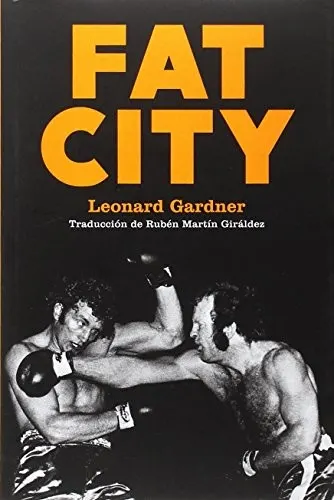
At a shabby Stockton YMCA, a washed-up boxer spars with a younger man and glimpses the possibility of another career—perhaps for one of them, perhaps for neither. Gardner makes hunger, fatigue, bruising, cheap rooms, and intermittent hope almost tactile.
What connects Fat City to Lish is its profound understanding of the body as both livelihood and trap. Its boxers are not romantic warriors; they are laborers whose work happens to involve being hit. Gardner’s sentences are lean but never merely minimalist, carrying whole lives in gestures and physical details. A cult classic since 1969, later filmed by John Huston, it is one of the great American novels of striving without illusions.
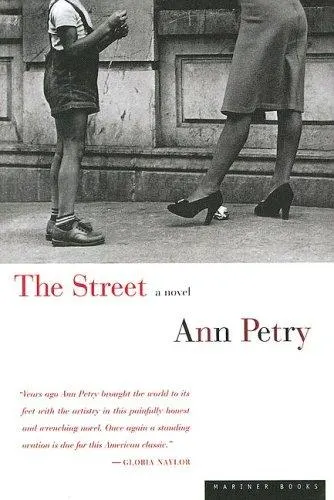
Lutie Johnson is looking at a Harlem apartment, trying to build a secure life for herself and her son. From that ordinary beginning, Petry makes the street itself feel like an active force: wind, crowds, rent, work, harassment, and other people’s appetites all press against Lutie’s resolve.
As in Preparation for the Next Life, individual endurance confronts systems designed to consume it. Petry is especially acute about the humiliating calculations poverty demands and about how hope can be exploited rather than rewarded. Yet Lutie remains vividly herself, never a case study. Published in 1946, The Street became the first novel by a Black woman to sell more than a million copies; its force has not diminished. Lish’s Queens would be harder to understand without Petry’s Harlem behind it.