Author
Books like Daphne du Maurier
8 books we recommend to Daphne du Maurier readers, drawn from Rebecca, My Cousin Rachel, The Scapegoat and The King's General — each with the reason why.
If you loved Rebecca

A country doctor becomes fascinated by Hundreds Hall, an English estate whose dwindling family can no longer maintain its house or its old status. Waters understands, as du Maurier did, that entering a grand home is also entering a hierarchy: every room reminds the visitor who belongs, who serves, and who covets what others possess.
Shortlisted for the Booker Prize, this is a masterly slow burn rather than a conventional ghost story. Its unnerving force comes from the doctor’s composed, reasonable narration and the desires he cannot—or will not—recognize in himself. Like Rebecca, it makes class envy, romantic hunger, and an oppressive building inseparable. The final ambiguity is the kind that sends devoted readers back through the novel, searching for clues that were hiding in plain sight.

Lucy Entwhistle is young, grieving, and vulnerable when the commanding Everard Wemyss takes charge of her life. His first wife, Vera, is dead, but her absence governs his house: her tastes, possessions, habits, and fate become increasingly difficult for Lucy to ignore.
Published in 1921, Vera feels like a sharp, disturbing precursor to Rebecca, but its method is entirely its own. Von Arnim uses apparently light social comedy to expose coercion, vanity, and the way a domineering man can rename control as devotion. The reader sees dangers that Lucy cannot yet articulate, creating almost unbearable tension. Long championed through feminist rediscovery, it is one of the most pitilessly perceptive novels about marriage—and far too good to remain merely a book Rebecca readers hear about without actually reading.
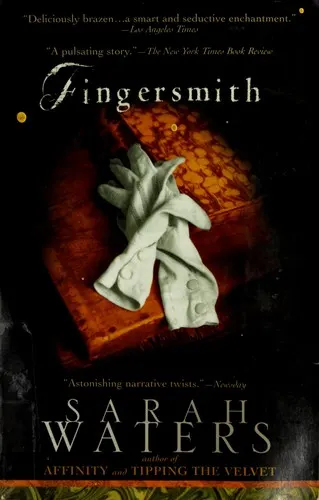
Sue Trinder, raised among thieves in Victorian London, agrees to help a charming con man defraud a sheltered heiress. The scheme takes her into a secluded household where books, money, sexual power, and imprisonment are dangerously entangled.
What connects this Booker-shortlisted novel to Rebecca is not simply its Gothic machinery, but the exquisite manipulation of the reader. Waters makes intimacy inseparable from suspicion: every confidence may be a performance, and every apparent victim may know more than she reveals. Sue’s forceful voice is unlike du Maurier’s hesitant narrator, yet both novels understand how identity can be overwritten by desire and by someone else’s story. Fingersmith is lush, fiercely intelligent, and so audaciously constructed that reading it for the first time is an experience worth protecting from spoilers.
If you loved My Cousin Rachel
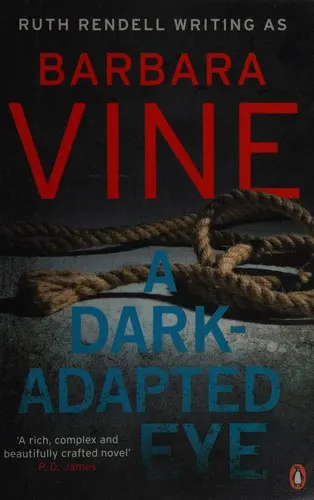
The first page tells us that Vera Hillyard was hanged for murder; the compulsion lies in discovering how an outwardly respectable family reached that catastrophe. Years later, Vera’s niece reconstructs the past from memories, evasions, and inherited loyalties, finding that family testimony can conceal as much as it reveals.
Barbara Vine—the psychological-suspense identity of Ruth Rendell—won the Crime Writers’ Association Gold Dagger for this novel, and it remains one of her most admired. Its kinship with du Maurier lies in its pitiless understanding of interpretation: jealousy dresses as concern, possession as love, and certainty as self-protection. The tension accumulates almost invisibly until the domestic world feels airless and lethal.
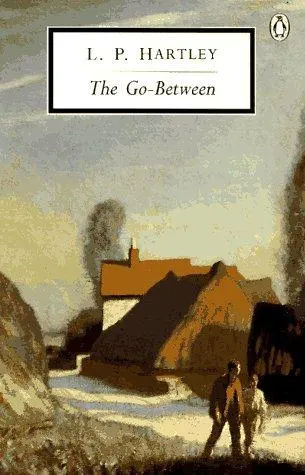
Hartley’s famous opening—“The past is a foreign country: they do things differently there”—introduces an older man looking back on the summer when, as a boy, he entered the glamorous, coded world of an English country estate. Flattered into carrying messages between adults, he mistakes fragments for understanding and becomes entangled in desires governed by class, secrecy, and power.
The prose has a sunlit clarity that makes the gathering dread almost unbearable. What will appeal most to a lover of My Cousin Rachel is the gap between experience and explanation: the narrator is honest, observant, and catastrophically unequipped to interpret what he sees. A modern classic with an enduringly devoted readership, it turns romantic mystery into something devastating.
If you loved The Scapegoat
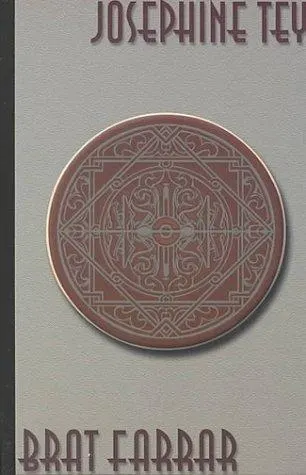
A young outsider is coached to impersonate the long-missing heir to a prosperous family. What begins as fraud becomes far more troubling when Brat discovers that belonging creates obligations: affection, loyalty and conscience start making his assumed identity feel more morally real than his own.
Like du Maurier, Tey turns an audacious premise into an intimate study of character. Her family is wonderfully particular—especially in its shared devotion to horses—and Brat’s growing attachment to it gives the suspense genuine emotional stakes. Often counted among Tey’s finest novels, this is the rare mystery whose central question is not simply whether an impostor will be exposed, but whether he can become worthy of the people he is deceiving.

Kees Popinga has spent years being a respectable husband, father and employee in Groningen. When the apparent solidity of his life suddenly proves fraudulent, he boards a train and abandons the identity that has confined him.
This is the dark, stripped-down counterpart to The Scapegoat’s fantasy of escape. Simenon watches a man try to invent himself without offering the comfort of a stable distinction between liberation and delusion. The prose has the remorseless momentum for which Simenon’s psychological romans durs are admired: every new freedom exposes another layer of vanity, resentment or hunger. If du Maurier made you wonder whether another life could redeem a person, Simenon’s compact masterpiece asks the unnerving reverse—what if it merely reveals him?
If you loved The King's General

In Restoration Oxford, a visiting Italian becomes entangled in a murder investigation recounted by four very different witnesses. Each narrator believes he understands what happened; each is compromised by ambition, prejudice, loyalty, or desire.
That structure makes this an especially rich match for readers fascinated by the buried history in The King’s General. Pears treats the past not as pageantry but as disputed evidence: private grudges alter public events, political causes excuse cruelty, and the truth must be excavated from self-serving testimony. Widely regarded as a landmark literary historical mystery, it offers the rare satisfaction of a large, intricate design whose human consequences matter as much as its solution.