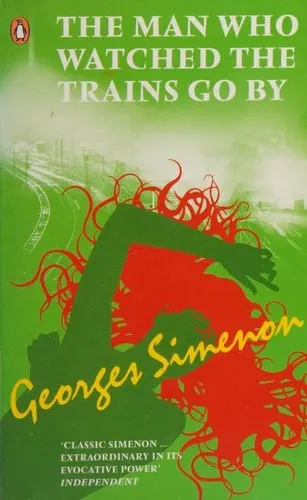
Books like The Man Who Watched the Trains Go By
Respectability buckles; freedom begins to look like another trap; and the fugitive mind turns ordinary streets into a cold, faintly absurd theater of self-invention.
If you liked The Man Who Watched the Trains Go By, you’ll love these
Not lookalikes — kindred books. Each one shares something essential with The Man Who Watched the Trains Go By, and we tell you exactly what.
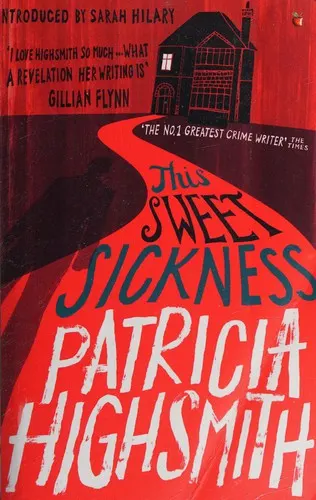
Highsmith shares Simenon’s unnerving interest in men who treat their fantasies as superior forms of reality. David Kelsey appears to lead a quiet, respectable life, but privately he has built an elaborate future around a woman who married someone else. As the distance between his imagined life and the actual world narrows, his composure becomes more frightening than open madness.
Like Popinga, David is both calculating and spectacularly blind to himself. Highsmith’s clean, dispassionate prose lets you feel the logic of obsession from inside without asking you to endorse it. This is among her most psychologically concentrated novels: less famous than the Ripley books, but cherished by Highsmith readers as one of her purest studies of delusion hardening into destiny.
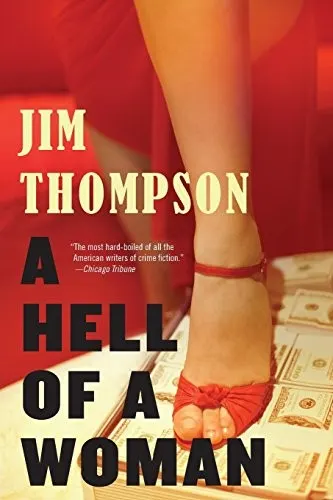
If you loved the black comedy hidden inside Popinga’s collapse—the gap between the brilliant outlaw he believes himself to be and the shabby man others see—Thompson intensifies that gap until it becomes almost unbearable. His narrator, a door-to-door salesman drifting through cheap rooms and bad schemes, explains himself with tireless confidence while every sentence reveals damage he cannot recognize.
Thompson, now regarded as one of American noir’s essential writers, makes criminality feel less like a profession than a desperate act of authorship: a man rewriting his identity as the pages run out. The voice is funny, sordid, cunning, and finally formally astonishing. Few novels portray self-deception with such savage intimacy.
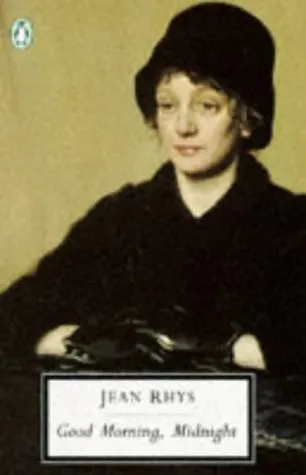
Rhys offers no criminal chase, but she captures the deeper terror of Simenon’s novel: what remains when social identity has worn through. Sasha Jansen wanders Paris moving between cafés, hotel rooms, memories, and humiliating encounters, trying to maintain a workable version of herself. The city is at once refuge, stage, and indifferent machine.
Rhys’s sentences are sharper and more lyrical than Simenon’s, yet they possess the same merciless economy and sensitivity to money, clothing, rooms, and tiny social judgments. Long neglected and later recognized as a modernist classic, the novel has inspired fierce devotion because its desolation is never merely bleak—it is witty, lucid, and painfully alive. Anyone haunted by Popinga’s liberation into loneliness should experience Sasha’s night world.