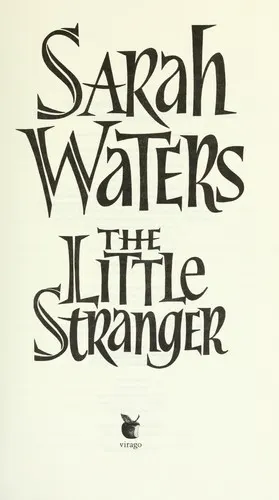
Books like The Little Stranger
The Little Stranger and Shirley Jackson’s The Haunting of Hill House are masterclasses in making a house seem sentient without ever letting the reader settle on a comfortable explanation.
If you liked The Little Stranger, you’ll love these
Not lookalikes — kindred books. Each one shares something essential with The Little Stranger, and we tell you exactly what.
Jackson’s classic offers the same exquisitely sustained uncertainty: is Hill House genuinely malevolent, or does it merely amplify the loneliness and hunger for belonging that Eleanor brings inside? Every cold spot, misplaced sound and subtly wrong angle can be read psychologically or supernaturally.
Like Faraday, Eleanor is both painfully sympathetic and impossible to trust completely. Jackson’s intimate, slippery prose traps us inside that divided consciousness, where desire quietly alters perception. Few haunted-house novels have been as influential, and fewer still remain so unnerving: its terror comes not from apparitions but from the possibility that a house has discovered exactly what its guest most wants.
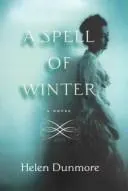
Helen Dunmore’s inaugural Orange Prize winner turns a decaying country estate into an emotional climate. Catherine and her brother Rob grow up amid family absences, fading privilege and secrets that the adults refuse to name; beyond the estate, the modern world and the First World War press steadily closer.
Readers who loved Waters’s mingling of class decline, thwarted desire and physical atmosphere will recognize the spell immediately. Dunmore makes cold rooms, overgrown grounds and household rituals feel charged with buried feeling. Yet the novel is more sensuous and feverish than The Little Stranger: its menace rises through intimacy rather than investigation. The result is the rare historical novel whose past feels not safely finished but dangerously alive beneath the skin.
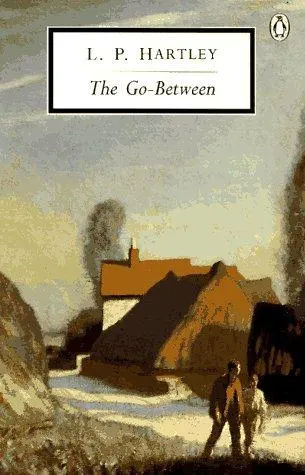
There may be no ghost in The Go-Between, but it understands the deeper horror of Hundreds Hall: an English country house is a machine for enforcing rank, secrecy and desire. Looking back on the summer of 1900, Leo Colston recalls arriving at a wealthy schoolfriend’s estate and being drawn into carrying messages between adults whose social codes he cannot decipher.
Hartley’s celebrated novel gives innocence a retrospective, unreliable voice; the older narrator knows more than the boy he describes, but not necessarily enough to master what happened. That double vision will grip anyone fascinated by Faraday’s evasions and class resentment. Elegant, suspenseful and emotionally devastating, it shows how a social order can haunt a life as completely as any poltergeist.