
Books like The King's General
How much can war, injury, and a dangerous love take from a woman before her unconquered will becomes the real story? These novels share du Maurier’s fascination with desire under pressure, morally ambiguous people, and houses that preserve secrets as stubbornly as their inhabitants do.
If you liked The King's General, you’ll love these
Not lookalikes — kindred books. Each one shares something essential with The King's General, and we tell you exactly what.

Sue Trinder, raised among thieves, enters a secluded country house as maid to an heiress—and as an accomplice in a scheme against her. What follows has the same intoxicating mixture of intimacy and danger that animates The King’s General: women constrained by money, sex, and social power, yet far cleverer and more tenacious than the people trying to use them.
Waters makes the house feel like a trap built from locked rooms, private rituals, and competing versions of the truth. Her Booker-shortlisted novel is celebrated for its audacious construction, but its real force lies in the fierce emotional life beneath the machinery. Read it before anyone tells you more; its shocks are among the great pleasures of modern historical fiction.

In Restoration Oxford, a visiting Italian becomes entangled in a murder investigation recounted by four very different witnesses. Each narrator believes he understands what happened; each is compromised by ambition, prejudice, loyalty, or desire.
That structure makes this an especially rich match for readers fascinated by the buried history in The King’s General. Pears treats the past not as pageantry but as disputed evidence: private grudges alter public events, political causes excuse cruelty, and the truth must be excavated from self-serving testimony. Widely regarded as a landmark literary historical mystery, it offers the rare satisfaction of a large, intricate design whose human consequences matter as much as its solution.
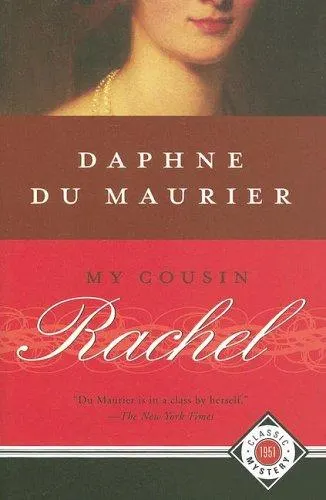
Philip Ashley has been raised to distrust women. When his beloved guardian dies abroad after sending disturbing letters about his new wife, Rachel, Philip prepares to hate her—until she arrives.
Here du Maurier distils one of the most compelling elements of The King’s General: love for someone whose motives can never be made safely clear. Every gesture admits several interpretations, and desire steadily corrupts the narrator’s confidence in his own judgment. Rachel has become one of du Maurier’s most enduring creations because she remains vivid without ever becoming fully knowable. If Richard Grenvile’s mixture of magnetism, cruelty, and mystery held you, this equally merciless study of attraction is indispensable.