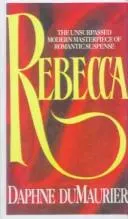
Books like Rebecca
Rebecca and Sarah Waters’s The Little Stranger belong together as novels in which a magnificent house magnifies longing, shame, and self-deception until atmosphere becomes suspense. These three books share du Maurier’s gift for making emotional dependence feel dangerous—and for leaving the reader unsure whose version of reality to trust.
If you liked Rebecca, you’ll love these
Not lookalikes — kindred books. Each one shares something essential with Rebecca, and we tell you exactly what.
A country doctor becomes fascinated by Hundreds Hall, an English estate whose dwindling family can no longer maintain its house or its old status. Waters understands, as du Maurier did, that entering a grand home is also entering a hierarchy: every room reminds the visitor who belongs, who serves, and who covets what others possess.
Shortlisted for the Booker Prize, this is a masterly slow burn rather than a conventional ghost story. Its unnerving force comes from the doctor’s composed, reasonable narration and the desires he cannot—or will not—recognize in himself. Like Rebecca, it makes class envy, romantic hunger, and an oppressive building inseparable. The final ambiguity is the kind that sends devoted readers back through the novel, searching for clues that were hiding in plain sight.
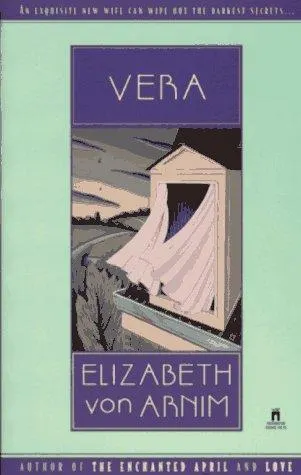
Lucy Entwhistle is young, grieving, and vulnerable when the commanding Everard Wemyss takes charge of her life. His first wife, Vera, is dead, but her absence governs his house: her tastes, possessions, habits, and fate become increasingly difficult for Lucy to ignore.
Published in 1921, Vera feels like a sharp, disturbing precursor to Rebecca, but its method is entirely its own. Von Arnim uses apparently light social comedy to expose coercion, vanity, and the way a domineering man can rename control as devotion. The reader sees dangers that Lucy cannot yet articulate, creating almost unbearable tension. Long championed through feminist rediscovery, it is one of the most pitilessly perceptive novels about marriage—and far too good to remain merely a book Rebecca readers hear about without actually reading.
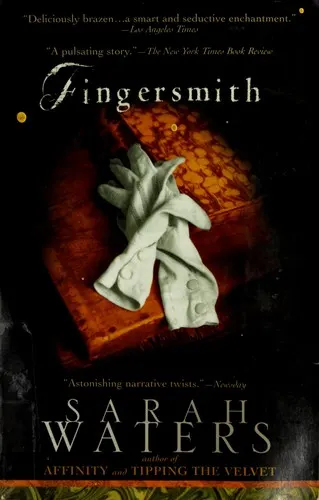
Sue Trinder, raised among thieves in Victorian London, agrees to help a charming con man defraud a sheltered heiress. The scheme takes her into a secluded household where books, money, sexual power, and imprisonment are dangerously entangled.
What connects this Booker-shortlisted novel to Rebecca is not simply its Gothic machinery, but the exquisite manipulation of the reader. Waters makes intimacy inseparable from suspicion: every confidence may be a performance, and every apparent victim may know more than she reveals. Sue’s forceful voice is unlike du Maurier’s hesitant narrator, yet both novels understand how identity can be overwritten by desire and by someone else’s story. Fingersmith is lush, fiercely intelligent, and so audaciously constructed that reading it for the first time is an experience worth protecting from spoilers.