Author
Books like Chimamanda Ngozi Adichie
6 books we recommend to Chimamanda Ngozi Adichie readers, drawn from Half of a Yellow Sun and Purple Hibiscus — each with the reason why.
If you loved Half of a Yellow Sun
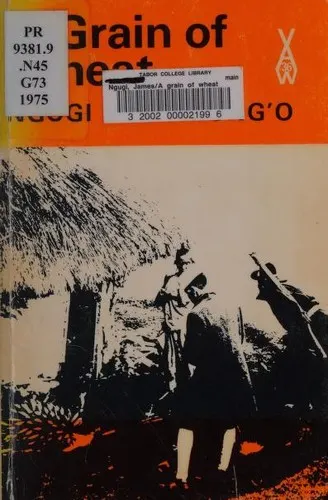
In the tense days before Kenyan independence, a village prepares to honor a reluctant hero while memories of resistance, imprisonment and betrayal press toward the surface. Ngũgĩ moves among many consciousnesses, refusing to divide his characters neatly into patriots and collaborators.
Like Half of a Yellow Sun, this is a national history made painfully personal: political convictions are tested by jealousy, fear and desire, while heroism proves far less pure than public memory requires. A foundational African novel, it has the compression of tragedy and the moral depth of an epic. Missing it means missing one of the great literary examinations of what liberation costs ordinary people.
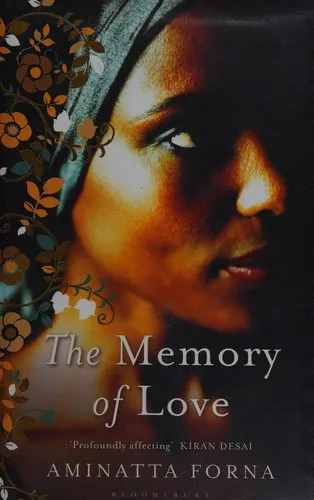
Set in Sierra Leone after civil war, Forna’s novel brings together an English psychologist, a young local surgeon and an elderly scholar whose story of obsessive love reaches back decades. The war is not treated as spectacle; it survives in damaged bodies, evasions, compulsions and the uneasy intimacy between people who endured it and those who hope to understand.
Readers who loved Adichie’s gift for exposing the self-deceptions inside romance and idealism will find Forna equally incisive. Her time shifts are graceful, her emotional revelations devastating, and her characters remain stubbornly irreducible to victims. Winner of the Commonwealth Writers’ Prize for Best Book, it is the rare postwar novel that makes memory itself feel suspenseful.
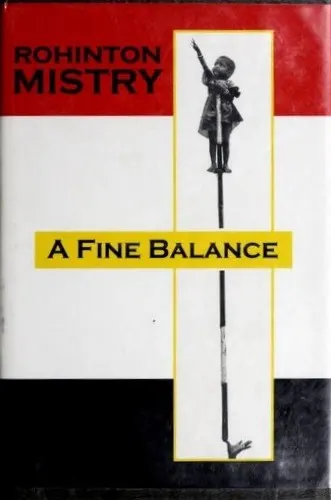
Four people from sharply different backgrounds are thrown together in 1970s India as the Emergency tightens its grip on daily life. Mistry builds their uneasy household through meals, quarrels, jokes, work and small acts of care, until companionship becomes a form of resistance.
The kinship with Half of a Yellow Sun lies in the balance between warmth and catastrophe. Public violence enters kitchens and friendships; class privilege offers protection, but never innocence. Yet the novel’s humanity is never merely grim: it is funny, crowded, tender and fiercely attentive to dignity. A Booker finalist with a devoted readership, A Fine Balance leaves many readers feeling they have lived alongside its characters—and permanently enlarged their sense of what a novel can hold.
If you loved Purple Hibiscus
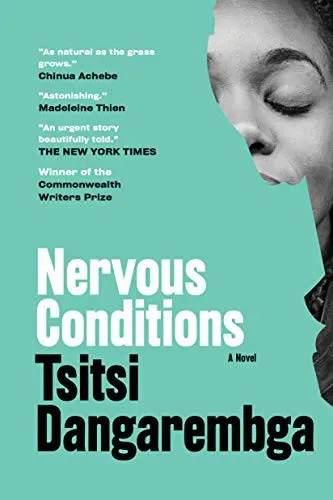
Tambu begins with the startling declaration that she was not sorry when her brother died. From there, Dangarembga gives us a fiercely intelligent girl discovering that education can be both an escape and another instrument of control.
Like Purple Hibiscus, this novel understands authority at its most unsettling: loving, respectable, generous—and suffocating. Family hierarchy, patriarchy, colonial schooling and moral obligation become inseparable, while Tambu’s lucid narration registers every compromise. Winner of the Commonwealth Writers’ Prize and now a cornerstone of African literature, Nervous Conditions offers the same thrill as watching Kambili find language for what her home has taught her not to say.
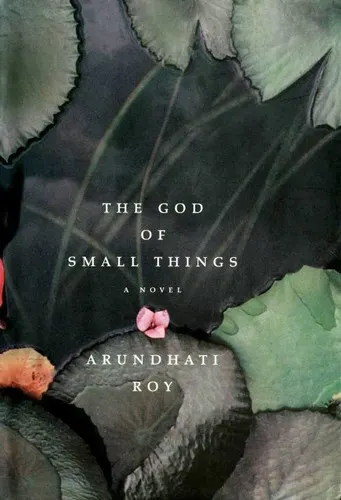
Roy’s Booker Prize-winning debut shares Adichie’s rare ability to make a family home feel as politically charged as a nation. In Kerala, twins Estha and Rahel inhabit a world governed by rigid rules about caste, respectability and who may be loved. The novel reveals those rules through children’s altered words, private jokes and exquisitely sharp observations.
Readers drawn to the hibiscus, rain and charged silences of Adichie’s prose will find an even more extravagant sensory world here: river water, pickles, insects, heat and memory all seem alive. Yet the verbal beauty never softens the book’s anger. Few novels show so powerfully how public systems of power enter childhood and rearrange the heart.
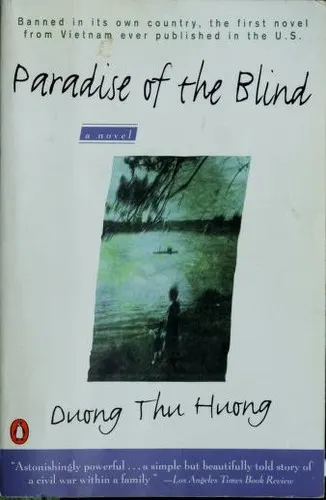
A young Vietnamese woman named Hằng, living in the Soviet Union, is summoned by an ailing uncle; the journey opens into memories of a family deformed by ideology, loyalty and sacrifice. Dương Thu Hương is especially brilliant at showing how oppression survives through intimate duties—through the relative who feeds you, claims your gratitude and quietly takes possession of your future.
The kinship with Purple Hibiscus lies in that painful mixture of devotion and damage, and in the way national history reaches the table, the body and the smallest domestic choice. The prose is sumptuous with food and landscape, making deprivation feel almost tactile. Banned in Vietnam and celebrated internationally, Paradise of the Blind is a devastating novel of awakening that deserves far more readers than it has.