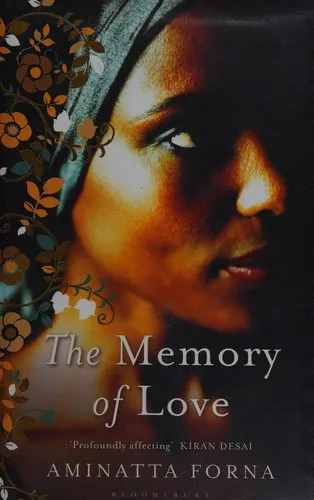
Books like The Memory of Love
How do people keep loving one another when memory itself has been damaged by violence, guilt, and the stories they need in order to survive? These three novels share Forna’s gift for making private betrayals inseparable from history without reducing characters to symbols of suffering.
If you liked The Memory of Love, you’ll love these
Not lookalikes — kindred books. Each one shares something essential with The Memory of Love, and we tell you exactly what.
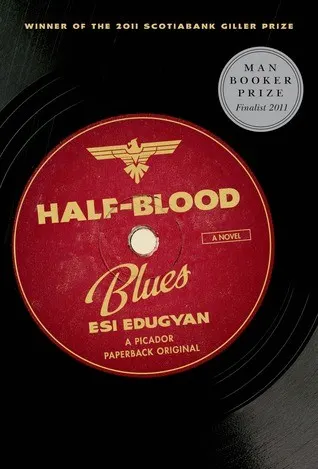
Sid Griffiths, an elderly Black jazz musician, has spent decades living with what happened to his brilliant young bandmate in Nazi-occupied Paris. His account moves between the musicians’ perilous wartime existence and a late return to Europe, gradually exposing the jealousy, cowardice, loyalty, and self-deception embedded in his memories.
A reader who admired Elias Cole’s seductive, compromised testimony will recognize Edugyan’s achievement: confession becomes suspense. Like Forna, she understands that betrayal rarely feels like betrayal to the person committing it; it is assembled from fear, desire, and small acts of moral surrender. Yet the novel also has the volatile energy of jazz—competitive, improvisatory, hungry for freedom. Winner of Canada’s Giller Prize and shortlisted for the Booker, it is the rare historical novel whose deepest drama lies not in what history did to its characters, but in what they did to one another.
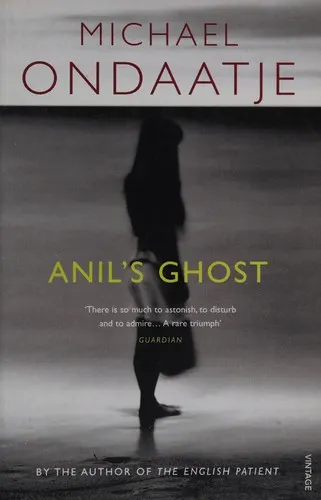
Anil Tissera, a forensic anthropologist working abroad, returns to Sri Lanka to investigate evidence of political killings. Beside her stands Sarath, an archaeologist whose loyalties and silences are difficult to read; around them are doctors, artists, and damaged families trying to preserve human meaning amid terror.
The kinship with The Memory of Love lies in the attention paid to skilled hands. Forna’s Kai operates on bodies while confronting injuries that surgery cannot mend; Ondaatje’s characters similarly examine bones, reconstruct faces, and tend wounds as if exact physical care might resist the erasure of a life. His luminous, fragmentary prose refuses the consolations of a conventional thriller: uncertainty is not a puzzle-box trick but the moral atmosphere of political violence. This Giller Prize–winning novel is among Ondaatje’s finest works, intimate and grave, with images that remain lodged in the mind long after its mysteries recede.
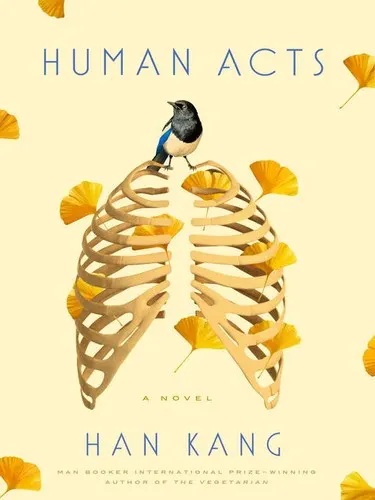
In the aftermath of the 1980 Gwangju uprising, a boy searches among the bodies gathered in a public building. From that harrowing beginning, the novel passes through multiple voices, tracing how state violence persists in flesh, language, shame, and the lives of survivors.
Where Forna approaches collective trauma through overlapping desires and guarded recollections, Han strips the question to its nerve: what does one human being owe another when brutality has made ordinary decency dangerous? Her prose is controlled rather than sensational, and that restraint makes every gesture of care—a hand laid on a body, a name remembered—feel momentous. Human Acts helped establish the 2024 Nobel laureate as one of the essential novelists of historical memory. It is shorter and starker than The Memory of Love, but it shares its deepest conviction: the dead remain present not as abstractions, but as claims upon the living.