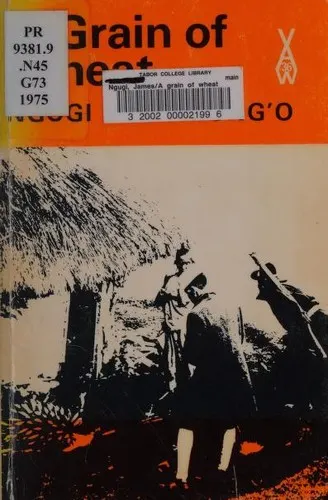
Books like A Grain of Wheat
Readers drawn to A Grain of Wheat tend to relish moral suspense: many voices circling a buried act, private guilt entangled with public freedom, and history made palpable in fields, kitchens, meetings, and silences. These three novels possess that same refusal to separate national upheaval from compromised human hearts.
If you liked A Grain of Wheat, you’ll love these
Not lookalikes — kindred books. Each one shares something essential with A Grain of Wheat, and we tell you exactly what.

Sembène’s landmark novel turns the 1947–48 Dakar–Niger railway strike into a vast communal drama. Like Ngũgĩ, he distrusts the easy manufacture of heroes: courage emerges unevenly among workers, wives, children, organizers, and doubters spread across several cities.
What makes the book indispensable is its attention to how resistance changes ordinary life. Hunger, domestic authority, religious conviction, and relations between men and women all become part of the struggle. Its many characters never blur into a faceless mass; each tests what solidarity actually costs. Few novels match A Grain of Wheat so closely in making collective action feel both magnificent and painfully human.
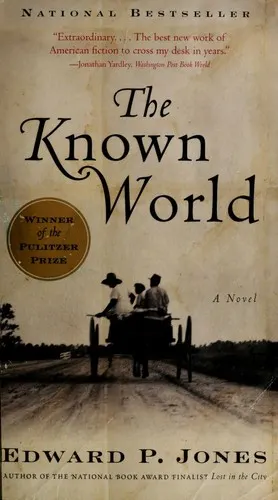
The opening fact is startling: Henry Townsend, a formerly enslaved Black man in antebellum Virginia, has died leaving enslaved people of his own. From that contradiction, Jones builds a whole community in which nearly everyone is caught inside systems they may resist, exploit, rationalize, or fail to understand.
A lover of Ngũgĩ’s shifting chronology and distributed point of view will recognize the deeper kinship. Jones moves freely among lives and across time, revealing how one person’s hidden choice becomes another person’s inherited wound. Yet his calm, almost biblical narrator never dictates a simple verdict. Winner of the Pulitzer Prize and now widely regarded as a modern American classic, The Known World offers the rare exhilaration of seeing an entire moral landscape come alive.
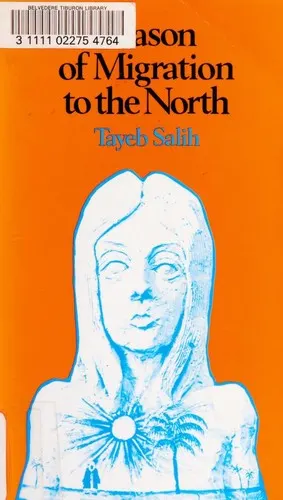
A young Sudanese man returns from Europe to his village beside the Nile and becomes fascinated by Mustafa Sa’eed, a stranger whose cultivated reserve conceals a disturbing history. Salih makes that mystery the center of a fierce inquiry into colonialism, masculinity, self-invention, and the dangerous desire to turn a damaged person into a symbol.
Where A Grain of Wheat expands through a chorus, this short novel tightens like a knot. Stories pass between men, identities begin to mirror one another, and the peaceful village acquires an undertow of secrecy. Salih’s prose is sensuous, ironic, and unsettling; the book’s canonical place in modern Arabic literature rests not on dutiful importance but on its inexhaustible ambiguity. It is one of those brief novels that readers argue with for years.