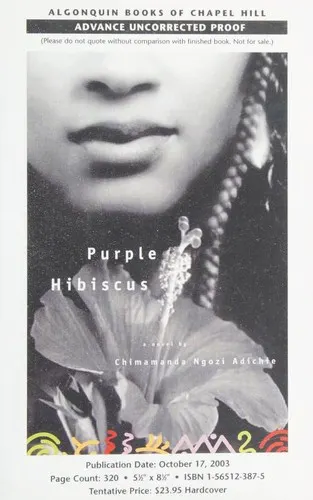
Books like Purple Hibiscus
In all three, a quiet voice grows through the cracks of a house built to contain it, while history presses against the walls outside.
If you liked Purple Hibiscus, you’ll love these
Not lookalikes — kindred books. Each one shares something essential with Purple Hibiscus, and we tell you exactly what.
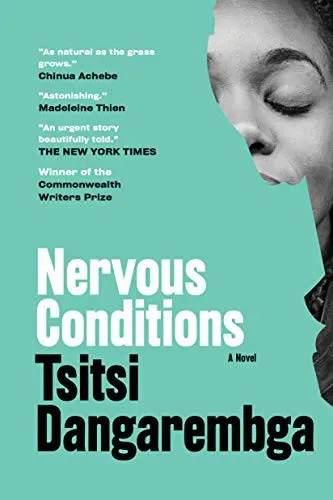
Tambu begins with the startling declaration that she was not sorry when her brother died. From there, Dangarembga gives us a fiercely intelligent girl discovering that education can be both an escape and another instrument of control.
Like Purple Hibiscus, this novel understands authority at its most unsettling: loving, respectable, generous—and suffocating. Family hierarchy, patriarchy, colonial schooling and moral obligation become inseparable, while Tambu’s lucid narration registers every compromise. Winner of the Commonwealth Writers’ Prize and now a cornerstone of African literature, Nervous Conditions offers the same thrill as watching Kambili find language for what her home has taught her not to say.
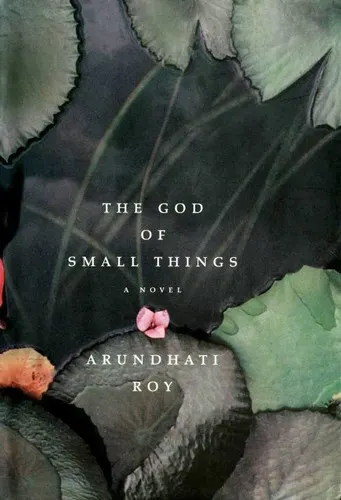
Roy’s Booker Prize-winning debut shares Adichie’s rare ability to make a family home feel as politically charged as a nation. In Kerala, twins Estha and Rahel inhabit a world governed by rigid rules about caste, respectability and who may be loved. The novel reveals those rules through children’s altered words, private jokes and exquisitely sharp observations.
Readers drawn to the hibiscus, rain and charged silences of Adichie’s prose will find an even more extravagant sensory world here: river water, pickles, insects, heat and memory all seem alive. Yet the verbal beauty never softens the book’s anger. Few novels show so powerfully how public systems of power enter childhood and rearrange the heart.
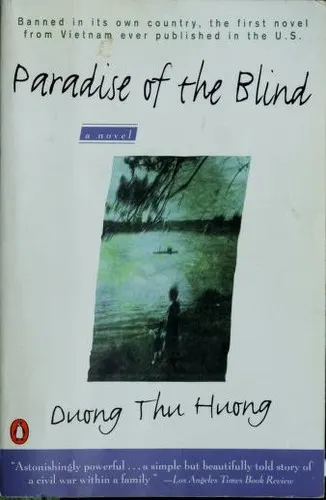
A young Vietnamese woman named Hằng, living in the Soviet Union, is summoned by an ailing uncle; the journey opens into memories of a family deformed by ideology, loyalty and sacrifice. Dương Thu Hương is especially brilliant at showing how oppression survives through intimate duties—through the relative who feeds you, claims your gratitude and quietly takes possession of your future.
The kinship with Purple Hibiscus lies in that painful mixture of devotion and damage, and in the way national history reaches the table, the body and the smallest domestic choice. The prose is sumptuous with food and landscape, making deprivation feel almost tactile. Banned in Vietnam and celebrated internationally, Paradise of the Blind is a devastating novel of awakening that deserves far more readers than it has.