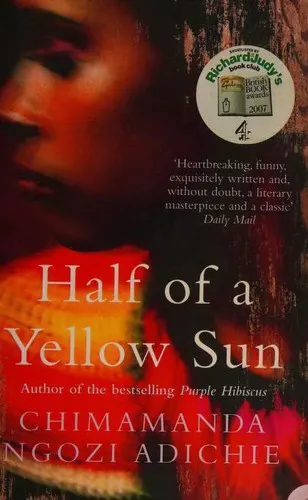
Books like Half of a Yellow Sun
If what gripped you was Adichie’s fusion of historical scale with intimate loyalties—love, pride, class, betrayal—these three novels offer that same sense of private lives becoming inseparable from a nation’s fate.
If you liked Half of a Yellow Sun, you’ll love these
Not lookalikes — kindred books. Each one shares something essential with Half of a Yellow Sun, and we tell you exactly what.
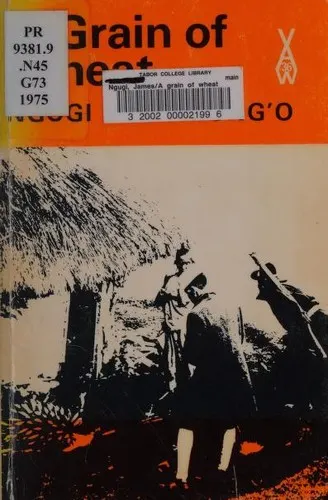
In the tense days before Kenyan independence, a village prepares to honor a reluctant hero while memories of resistance, imprisonment and betrayal press toward the surface. Ngũgĩ moves among many consciousnesses, refusing to divide his characters neatly into patriots and collaborators.
Like Half of a Yellow Sun, this is a national history made painfully personal: political convictions are tested by jealousy, fear and desire, while heroism proves far less pure than public memory requires. A foundational African novel, it has the compression of tragedy and the moral depth of an epic. Missing it means missing one of the great literary examinations of what liberation costs ordinary people.
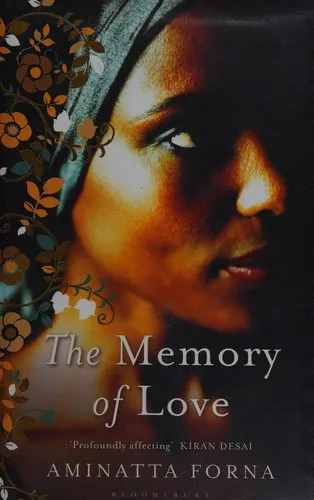
Set in Sierra Leone after civil war, Forna’s novel brings together an English psychologist, a young local surgeon and an elderly scholar whose story of obsessive love reaches back decades. The war is not treated as spectacle; it survives in damaged bodies, evasions, compulsions and the uneasy intimacy between people who endured it and those who hope to understand.
Readers who loved Adichie’s gift for exposing the self-deceptions inside romance and idealism will find Forna equally incisive. Her time shifts are graceful, her emotional revelations devastating, and her characters remain stubbornly irreducible to victims. Winner of the Commonwealth Writers’ Prize for Best Book, it is the rare postwar novel that makes memory itself feel suspenseful.
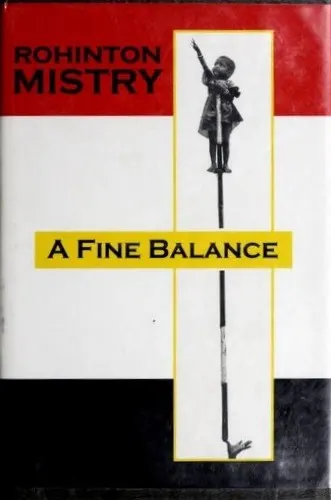
Four people from sharply different backgrounds are thrown together in 1970s India as the Emergency tightens its grip on daily life. Mistry builds their uneasy household through meals, quarrels, jokes, work and small acts of care, until companionship becomes a form of resistance.
The kinship with Half of a Yellow Sun lies in the balance between warmth and catastrophe. Public violence enters kitchens and friendships; class privilege offers protection, but never innocence. Yet the novel’s humanity is never merely grim: it is funny, crowded, tender and fiercely attentive to dignity. A Booker finalist with a devoted readership, A Fine Balance leaves many readers feeling they have lived alongside its characters—and permanently enlarged their sense of what a novel can hold.