Author
Books like Tananarive Due
6 books we recommend to Tananarive Due readers, drawn from The Reformatory and The Good House — each with the reason why.
If you loved The Reformatory
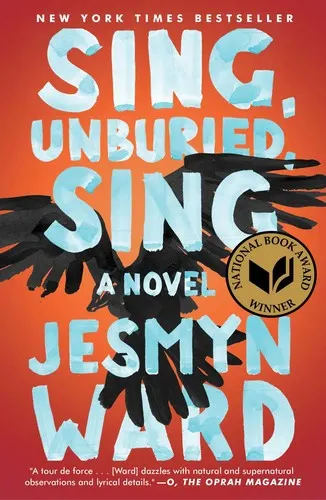
Ward gives ghosts the same terrible necessity Due does: they are not decorative scares but witnesses to racial violence that the living have failed to reckon with. Thirteen-year-old Jojo travels through Mississippi with his troubled mother to collect his father from prison, carrying responsibilities no child should bear. His tenderness toward his little sister recalls Robbie’s fierce devotion to Gloria, while the novel’s supernatural presences make inherited trauma immediate and bodily.
Winner of the National Book Award, this is a lyrical, bruising novel whose beauty never softens its anger. If The Reformatory moved you by letting love persist inside systems designed to crush it, Jojo’s story is indispensable.
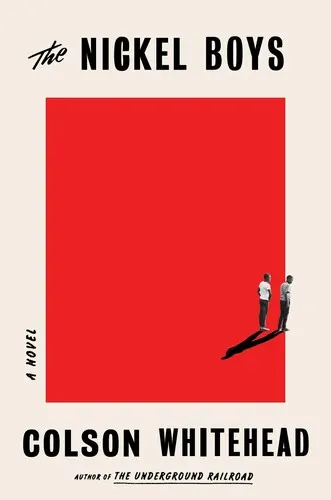
The obvious factual kinship—a Jim Crow-era Florida reform school modeled on the same history—is only the beginning. Whitehead and Due share a deeper purpose: restoring individuality to children whom institutions reduced to files, numbers, and buried evidence. Elwood Curtis enters Nickel Academy believing deeply in moral progress; there, his idealism collides with Turner’s hard-earned instinct for survival. Their friendship becomes a devastating argument about how to remain human under organized cruelty.
Whitehead’s Pulitzer Prize-winning novel is leaner and colder than The Reformatory, with every restrained sentence accumulating force. Reading it beside Due’s book reveals two radically different artistic acts of remembrance: one summons the dead as ghosts, the other makes the silence around them thunder.
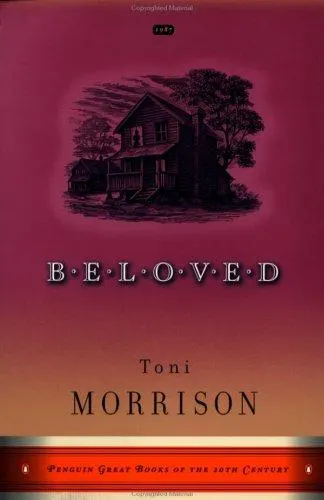
124 Bluestone Road is already haunted when Morrison opens the door. From there, she makes the supernatural inseparable from historical truth: horror is what happens when an atrocity is officially over but remains alive in bodies, families, rooms, and language. Like Due, Morrison understands that the dead return not simply for vengeance, but because remembrance is a moral obligation—and because love itself can become desperate, dangerous, and overwhelming under racist terror.
This Pulitzer Prize winner has become a cornerstone of American literature without losing its power to shock at the sentence level. Its shifting voices demand attention, then repay it with an emotional and imaginative experience few novels can equal. Anyone who admired The Reformatory’s fusion of ghost story, family love, and historical witness should not miss the book that transformed what such a fusion could accomplish.
If you loved The Good House
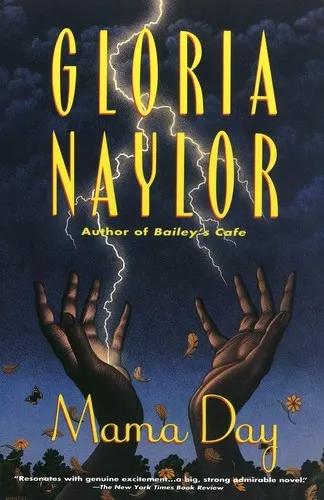
Like Due, Naylor treats the supernatural not as an intrusion into Black life but as part of its history, language, and contested inheritance. On the island of Willow Springs, the formidable Mama Day presides over a community whose traditions confound her skeptical grandniece and the man she loves.
The kinship lies especially in Naylor’s sense of place: land remembers, family stories exert pressure, and old powers cannot be separated neatly into blessing and curse. Yet Mama Day is also sensuous, funny, romantic, and formally daring. Long regarded as one of Naylor’s richest novels, it offers the same exhilarating conviction as The Good House: haunting matters most when the living characters matter even more.
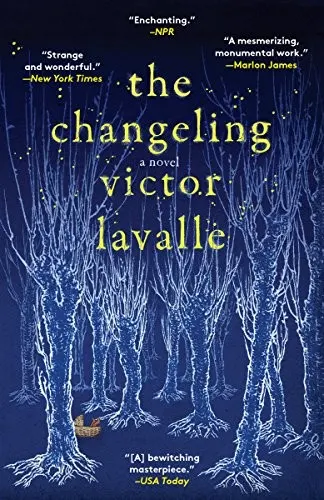
The Changeling begins with an unusually tender courtship and the making of a young family, then lets dread seep into that carefully built happiness. Apollo Kagwa, a rare-book dealer and new father, discovers that the stories people dismiss as folklore may describe reality more accurately than modern common sense does.
A reader who admired how The Good House makes parental grief both intimate and cosmically frightening will recognize LaValle’s terrain. He is equally sharp about the vulnerabilities of Black parenthood, the stories families suppress, and the terrible bargains concealed inside familiar myths. Winner of the World Fantasy Award and adapted for television, this is horror with the momentum of a nightmare and the emotional weight of a family tragedy.
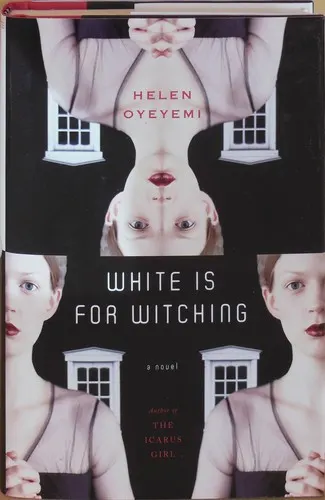
In Oyeyemi’s novel, a house on the English coast does not merely contain a family’s damage: it observes, judges, and speaks. After her mother’s death, Miranda Silver becomes increasingly bound to the house, whose hostility is entangled with generations of women, buried prejudice, and an appetite that is both literal and metaphorical.
Where Due is expansive and warm before tightening the trap, Oyeyemi is elliptical, icy, and disorienting from the first pages. That difference makes the book essential rather than redundant. Its shifting voices and malicious architecture recreate the sensation of entering a history that has already decided what role you will play. A prize-winning modern Gothic with a devoted following, White Is for Witching is one of the rare haunted-house novels whose house feels like a fully realized consciousness.