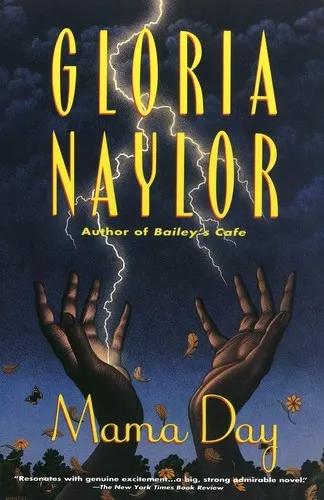
Books like Mama Day
In these novels, the official map curls at the edges, revealing older routes beneath it—paths kept open by women, memory, ritual, and voices the modern world has failed to silence.
If you liked Mama Day, you’ll love these
Not lookalikes — kindred books. Each one shares something essential with Mama Day, and we tell you exactly what.
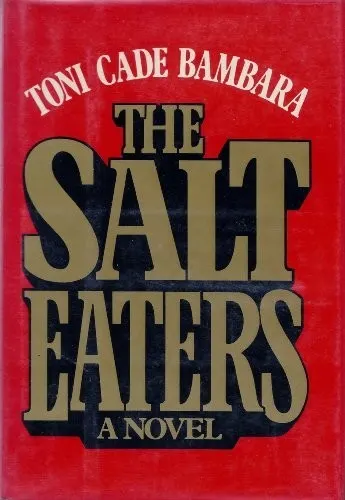
Bambara begins inside a healing ceremony: the formidable Minnie Ransom is trying to restore Velma Henry, a community organizer who has reached a point of psychic collapse. The question she asks—are you ready to be well?—opens into a chorus of neighbors, spirits, political struggles, jokes, grudges, and buried pain.
Like Mama Day, this American Book Award winner treats healing as communal work rather than private revelation. Bambara’s language crackles with vernacular intelligence, and the supernatural never cancels material reality; spirit and politics press upon the same wounded body. It is denser and more feverish than Naylor’s novel, but its ambition is thrilling: few books make a whole community’s damaged, sustaining consciousness feel so vividly alive.
Tracks is told through two irreconcilable voices: the wily elder Nanapush and the embittered Pauline. Between their accounts stands Fleur Pillager, a magnetic Ojibwe woman around whom rumor, desire, fear, and something like myth gather. Erdrich never tells you which voice owns the truth; history survives through contradiction.
That doubleness will feel especially rich to a reader who loved Naylor’s shifting perspectives and her refusal to separate family legend from fact. The novel’s deepest subject is the bond between people and threatened ancestral land, rendered with bawdy humor, grief, and uncanny force. Widely regarded as one of Erdrich’s finest novels, Tracks is short enough to read quickly and layered enough to haunt every rereading.
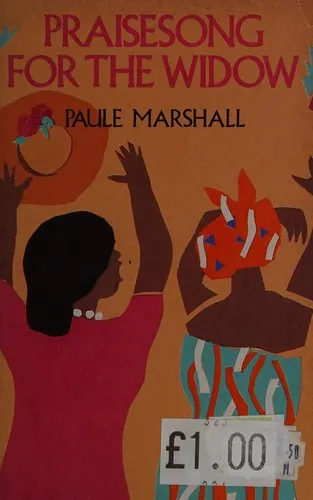
Avey Johnson has achieved the prosperous, respectable life she and her late husband worked for, yet during a luxury cruise her body rebels and old memories begin breaking through. Marshall turns that rupture into an extraordinary reckoning with what advancement can cost when it requires severing oneself from inherited rhythms, stories, and obligations.
Readers who loved Cocoa’s divided allegiance to New York and Willow Springs will recognize Marshall’s profound understanding of belonging: not nostalgia, but a living claim upon the self. Her prose can be stately, sensuous, and suddenly ecstatic, especially when music and dance become forms of knowledge. An American Book Award winner and a landmark of Black women’s fiction, Praisesong for the Widow offers the rare exhilaration of watching memory become not a burden, but a road home.