Books like White Is for Witching
Paradise Rot is damp, intimate, and porous where The Vegetarian is spare and severe, yet both make appetite and the female body into languages no one else can safely interpret. Beloved completes the trio by giving a haunted house the full weight of history.
If you liked White Is for Witching, you’ll love these
Not lookalikes — kindred books. Each one shares something essential with White Is for Witching, and we tell you exactly what.

A student moves into a strange converted warehouse and becomes fascinated by her roommate, but the real seduction is the building itself: leaking, fermenting, blurring the boundaries between bodies and rooms. Hval’s sensuous prose makes food, decay, desire, and architecture feel disturbingly interchangeable.
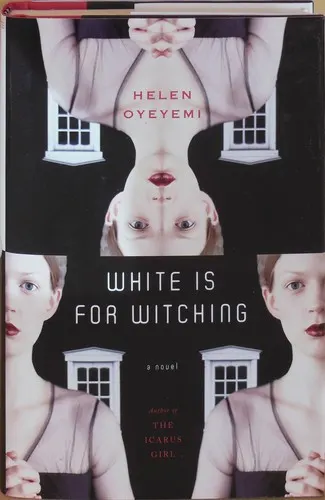
Like Oyeyemi, Hval understands that a house need not be merely haunted; it can alter the people inside it and expose desires they cannot articulate. This slender novel—written by an acclaimed experimental musician with an exceptional ear for texture—offers the queer intimacy, bodily estrangement, and dream logic of White Is for Witching in an even more concentrated form.
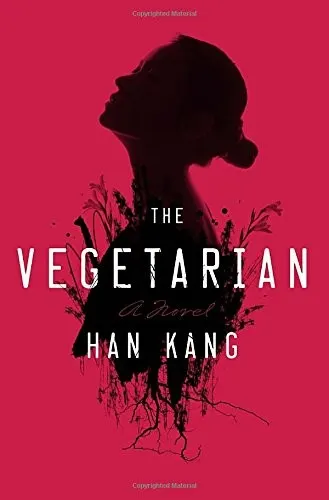
After a disturbing dream, Yeong-hye stops eating meat. Her decision is narrated largely by others, who treat her body as property, puzzle, and battleground. That structure will feel powerfully familiar to readers fascinated by how Miranda is watched, interpreted, and spoken around while remaining irreducibly strange.
Han’s language is lucid, but what it reveals is increasingly surreal: appetite becomes refusal, refusal becomes rebellion, and the body reaches toward an existence outside the categories imposed upon it. Winner of the International Booker Prize, The Vegetarian helped establish Han as one of contemporary fiction’s essential writers long before her Nobel Prize. Its eerie compression makes it difficult to shake.
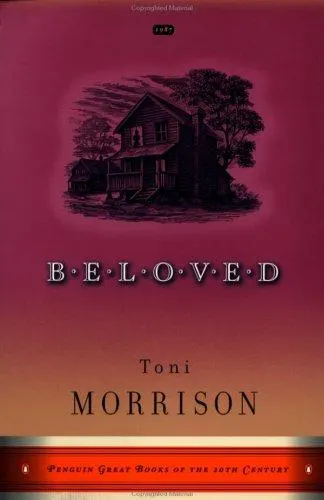
“124 was spiteful”: from its first sentence, Morrison’s novel grants a house temperament, memory, and agency. Sethe and her daughter live amid a haunting inseparable from slavery’s violence, until a mysterious young woman’s arrival changes the household’s fragile equilibrium.
The deepest kinship with White Is for Witching lies in the way both novels turn Gothic disturbance into historical truth. Their ghosts are not decorative scares; they embody what families and nations try to exclude, repress, or forget. Morrison’s shifting voices, charged repetitions, and fierce attention to motherhood also illuminate Oyeyemi’s methods without diminishing her originality. Beloved won the Pulitzer Prize and reshaped the possibilities of the American novel; its reputation is immense because the reading experience itself remains so intimate, frightening, and alive.