Author
Books like Tana French
9 books we recommend to Tana French readers, drawn from In the Woods, The Likeness and The Trespasser — each with the reason why.
If you loved In the Woods
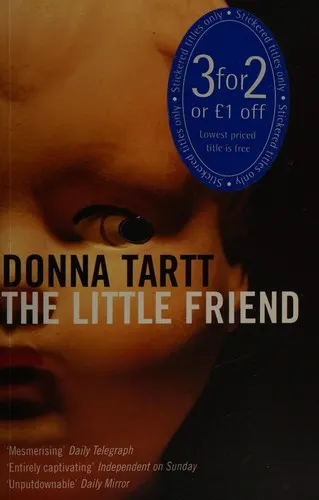
Twelve years after her brother is found dead, Harriet Cleve Dufresnes decides, with a child’s terrifying certainty, that she can identify his killer. Tartt is less interested in conventional detection than in the stories children construct from adult silences—and in what happens when those stories collide with a dangerous reality.
Like French, she makes landscape feel saturated with buried knowledge. Her languorous, ominous prose draws you into Harriet’s fierce intelligence while preserving the gulf between what Harriet believes and what the reader can see. Admirers treasure this novel precisely because it refuses the easy satisfactions of a tidy mystery: it leaves behind something stranger, sadder, and far harder to shake.
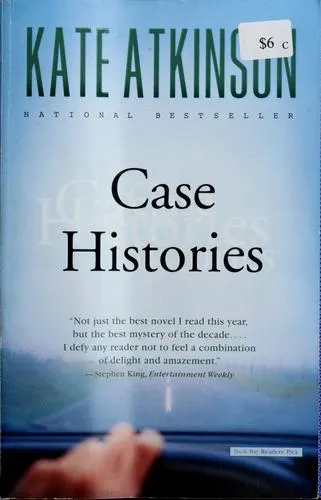
Three old family tragedies come into the orbit of private investigator Jackson Brodie, a bruised, sardonic man whose empathy is both his gift and his liability. The cases matter, but Atkinson’s real subject is the long afterlife of violence: the eccentric habits, damaged relationships, and private mythologies that grow around an unanswered loss.
Atkinson brought the formal ingenuity and comic precision that made Behind the Scenes at the Museum a Whitbread Book of the Year into crime fiction, producing a novel that can be funny on one page and quietly devastating on the next. If you loved the way French turns an investigation into a portrait of everyone touched by it, Case Histories is indispensable.
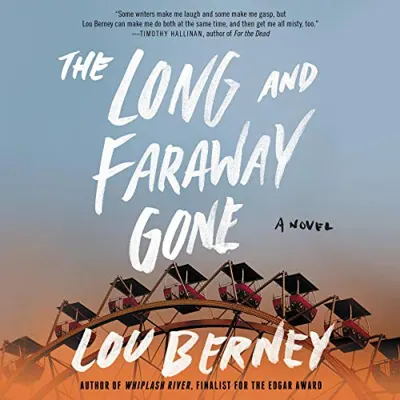
In 1986, two crimes scar Oklahoma City: a movie-theater massacre with one inexplicable survivor, and a teenage girl’s disappearance from a state fair. Decades later, the people left behind are still arranging their lives around the questions those nights created.
Berney’s Edgar-winning novel understands survivor’s guilt with the same painful acuity French brings to Rob Ryan. Its characters are witty, capable, and thoroughly unreliable about their own wounds; every investigative step exposes not just evidence but the emotional bargain someone made in order to keep living. Yet Berney balances the ache with warmth and momentum, making this both a compulsive mystery and an unusually humane novel about the cost of needing an answer.
If you loved The Likeness
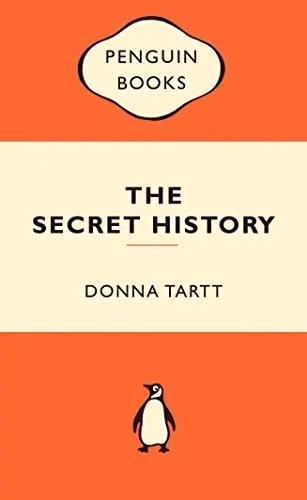
Tartt’s modern cult classic shares French’s great trick: making a closed circle look so intoxicating that the reader understands why someone would ignore every warning to remain inside it. Richard Papen arrives at college and falls under the spell of five brilliant, secretive classics students whose cultivated world seems richer and more real than ordinary life.
Like The Likeness, this is suspense powered by complicity rather than simple detection. You know disaster has occurred; the question is how beauty, loyalty and shared rituals made it possible. Tartt gives friendship the atmosphere of a locked room—and makes exclusion feel more frightening than guilt.
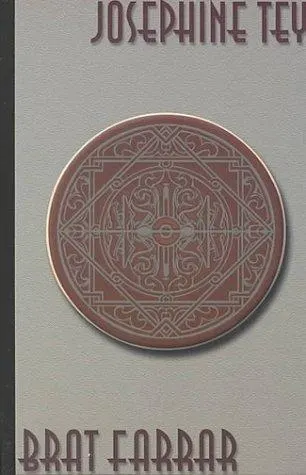
A young man is coached to impersonate Patrick Ashby, the presumed-dead heir to an English estate. What begins as fraud becomes morally treacherous when the Ashbys stop being marks and start feeling like family.
That is the exact emotional nerve The Likeness touches: the borrowed life that fits better than one’s own. Tey’s crisp, humane crime classic is less feverish than French’s novel, but equally alert to the tiny domestic details through which an impostor becomes attached—meals, jokes, rivalries, habitual kindnesses. The suspense lies not only in whether Brat will be exposed, but in what exposure would destroy. Few impersonation novels understand so well that belonging can be both the prize and the punishment.
In postwar England, country doctor Faraday is called to Hundreds Hall, a once-grand house now decaying around the family who cannot afford to leave it. He has coveted the place since childhood, and Waters gradually makes that longing as unsettling as anything apparently haunting its rooms.
A Booker Prize finalist, The Little Stranger offers the same exquisitely unstable relationship between person, house and desire that makes Whitethorn unforgettable. Its narrator is observant, reasonable and increasingly difficult to see around; its tension accumulates through damaged plaster, strained manners and class resentment. Waters never lets you settle whether the house is afflicted, the people are, or longing itself is the destructive force. The ambiguity follows readers long after the final page.
If you loved The Trespasser
A writer hires Emerence, an imperious housekeeper who guards her privacy with almost frightening resolve. Their relationship becomes an intimate contest over trust, pride and who has the right to interpret whom.
Like Antoinette Conway, Emerence has made hardness into armor; like Conway, the narrator is intelligent enough to expose other people’s evasions but not always her own. Szabó makes every apparent breakthrough in understanding morally treacherous. Len Rix’s translation preserves the fierce clarity that helped make this one of the major Hungarian novelist’s most admired books. Readers who loved The Trespasser for its bruising voice and continual revisions of judgment will find The Door unforgettable.
Maureen O’Donnell wakes after a night of drinking to find her boyfriend murdered in her living room—and the police treating her as the obvious suspect. Her psychiatric history makes it easy for everyone, including her family, to dismiss what she says.
Mina gives Maureen the qualities that make Conway so magnetic: anger sharpened into wit, an instinctive distrust of authority and enough abrasiveness to complicate every alliance. Glasgow is rendered through class pressure, family damage and savage black comedy rather than atmospheric decoration. This debut won the Crime Writers’ Association’s John Creasey Dagger, but its lasting distinction is Maureen herself: difficult, funny, wounded and magnificently unwilling to accept somebody else’s version of her.
In 1869, a young Scottish crofter admits to three killings. Burnet presents the case through his memoir, witness statements, medical reports and courtroom records, turning an apparently settled crime into a struggle over who is permitted to define the truth.
This is the novel for readers most fascinated by The Trespasser’s interviews: every account is also an act of positioning, and every official document conceals assumptions about class, intelligence and credibility. Burnet’s invented archive feels uncannily authentic, yet the book has the momentum of a psychological thriller. Its Booker Prize shortlisting brought deserved attention to a novel that makes certainty itself suspenseful; once read, its competing voices are almost impossible to stop judging and rejudging.