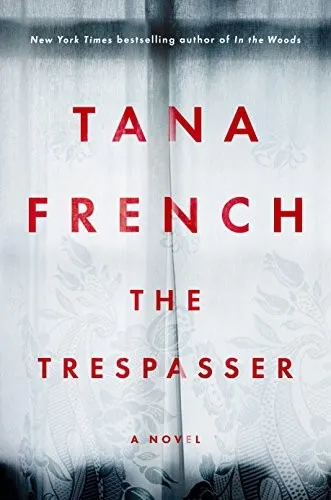
Books like The Trespasser
Magda Szabó’s The Door contains no detectives, yet it reaches the core of The Trespasser: the danger of mistaking vigilance for insight. The other two choices pursue that same problem through a suspected woman and a murder reconstructed from competing testimony.
If you liked The Trespasser, you’ll love these
Not lookalikes — kindred books. Each one shares something essential with The Trespasser, and we tell you exactly what.
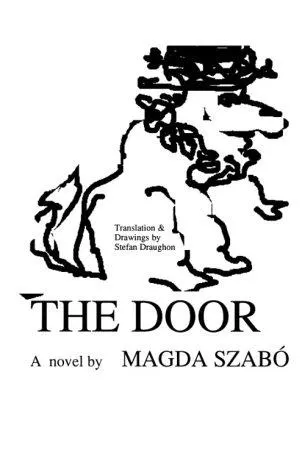
A writer hires Emerence, an imperious housekeeper who guards her privacy with almost frightening resolve. Their relationship becomes an intimate contest over trust, pride and who has the right to interpret whom.
Like Antoinette Conway, Emerence has made hardness into armor; like Conway, the narrator is intelligent enough to expose other people’s evasions but not always her own. Szabó makes every apparent breakthrough in understanding morally treacherous. Len Rix’s translation preserves the fierce clarity that helped make this one of the major Hungarian novelist’s most admired books. Readers who loved The Trespasser for its bruising voice and continual revisions of judgment will find The Door unforgettable.
Maureen O’Donnell wakes after a night of drinking to find her boyfriend murdered in her living room—and the police treating her as the obvious suspect. Her psychiatric history makes it easy for everyone, including her family, to dismiss what she says.
Mina gives Maureen the qualities that make Conway so magnetic: anger sharpened into wit, an instinctive distrust of authority and enough abrasiveness to complicate every alliance. Glasgow is rendered through class pressure, family damage and savage black comedy rather than atmospheric decoration. This debut won the Crime Writers’ Association’s John Creasey Dagger, but its lasting distinction is Maureen herself: difficult, funny, wounded and magnificently unwilling to accept somebody else’s version of her.
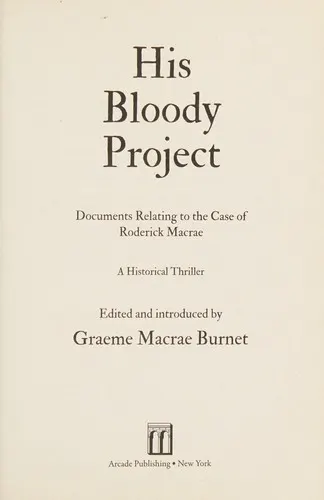
In 1869, a young Scottish crofter admits to three killings. Burnet presents the case through his memoir, witness statements, medical reports and courtroom records, turning an apparently settled crime into a struggle over who is permitted to define the truth.
This is the novel for readers most fascinated by The Trespasser’s interviews: every account is also an act of positioning, and every official document conceals assumptions about class, intelligence and credibility. Burnet’s invented archive feels uncannily authentic, yet the book has the momentum of a psychological thriller. Its Booker Prize shortlisting brought deserved attention to a novel that makes certainty itself suspenseful; once read, its competing voices are almost impossible to stop judging and rejudging.