
Books like The Secret History
You were drawn not merely to murder, but to the dangerous pleasure of entering an exquisitely self-contained world—one whose beauty makes complicity feel almost reasonable. These three novels offer that same seduction in sharply different forms.
If you liked The Secret History, you’ll love these
Not lookalikes — kindred books. Each one shares something essential with The Secret History, and we tell you exactly what.
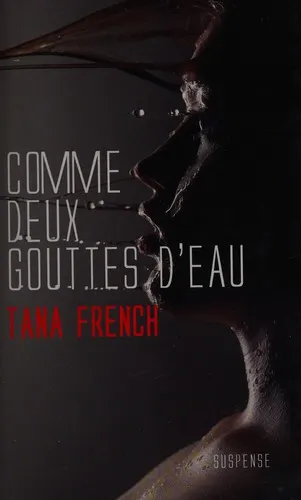
Detective Cassie Maddox is sent undercover after a murder victim is found carrying Cassie’s former alias—and looking uncannily like her. Her assignment places her inside a decaying country house shared by four intensely close friends, whose life of books, rituals, and chosen family becomes increasingly hard to treat as mere evidence.
French understands the central temptation of The Secret History: the longing to be admitted into a private world, even when you know it is built on concealment. The suspense matters, but the deeper hook is Cassie’s growing desire to belong. A standout in French’s acclaimed Dublin Murder Squad series, it is the rare literary mystery whose invented household readers mourn after leaving.
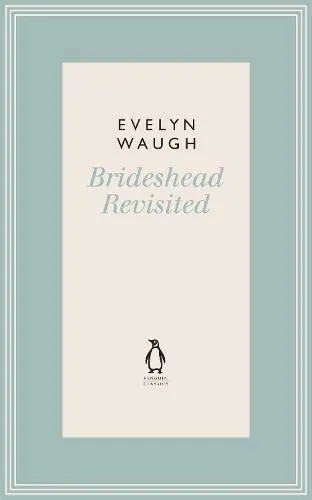
Charles Ryder’s friendship with the enchanting Sebastian Flyte draws him into Brideshead, the magnificent home of an aristocratic Catholic family. What follows is less a conventional plot than an intoxication: with beauty, privilege, belief, and people whose charm cannot be separated from their capacity to wound.
This is one of The Secret History’s essential literary ancestors. Waugh gives aesthetic experience genuine moral danger; Charles’s backward-looking narration, like Richard Papen’s, turns memory into both confession and self-deception. The novel’s enduring reputation rests on precisely that ache—the realization that the world which formed your taste may also have distorted your judgment.
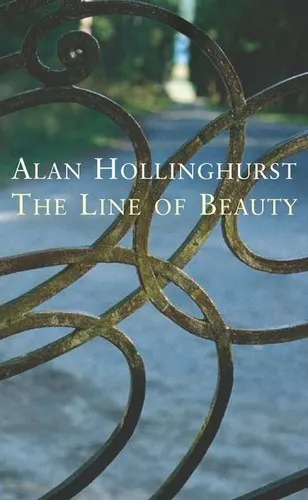
In 1980s London, young Nick Guest takes up residence with the wealthy, politically connected Fedden family. Nick is observant enough to recognize their vanity and hypocrisy, yet too captivated by their elegance—and by his privileged place among them—to remain untouched.
Hollinghurst’s Booker Prize–winning novel matches Tartt in its sensuous precision: rooms, clothes, conversation, and social gestures all shimmer with meaning. But its finest kinship with The Secret History lies in the way beauty becomes an alibi. Nick’s intelligence does not protect him from self-delusion; it merely makes that delusion more articulate. Few novels portray the exhilaration and cost of proximity to power with such ruthless grace.