
Books like The Likeness
The murder in The Likeness is almost beside the point: its real danger is Whitethorn House, where a borrowed identity offers Cassie the belonging she wants badly enough to disappear into it.
If you liked The Likeness, you’ll love these
Not lookalikes — kindred books. Each one shares something essential with The Likeness, and we tell you exactly what.

Tartt’s modern cult classic shares French’s great trick: making a closed circle look so intoxicating that the reader understands why someone would ignore every warning to remain inside it. Richard Papen arrives at college and falls under the spell of five brilliant, secretive classics students whose cultivated world seems richer and more real than ordinary life.
Like The Likeness, this is suspense powered by complicity rather than simple detection. You know disaster has occurred; the question is how beauty, loyalty and shared rituals made it possible. Tartt gives friendship the atmosphere of a locked room—and makes exclusion feel more frightening than guilt.
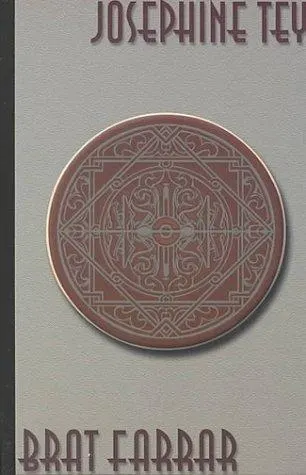
A young man is coached to impersonate Patrick Ashby, the presumed-dead heir to an English estate. What begins as fraud becomes morally treacherous when the Ashbys stop being marks and start feeling like family.
That is the exact emotional nerve The Likeness touches: the borrowed life that fits better than one’s own. Tey’s crisp, humane crime classic is less feverish than French’s novel, but equally alert to the tiny domestic details through which an impostor becomes attached—meals, jokes, rivalries, habitual kindnesses. The suspense lies not only in whether Brat will be exposed, but in what exposure would destroy. Few impersonation novels understand so well that belonging can be both the prize and the punishment.
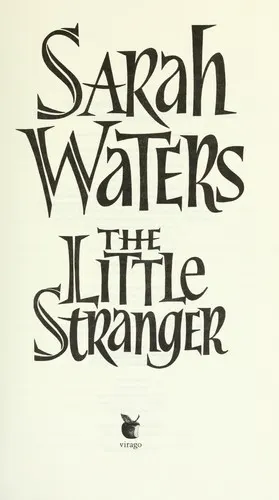
In postwar England, country doctor Faraday is called to Hundreds Hall, a once-grand house now decaying around the family who cannot afford to leave it. He has coveted the place since childhood, and Waters gradually makes that longing as unsettling as anything apparently haunting its rooms.
A Booker Prize finalist, The Little Stranger offers the same exquisitely unstable relationship between person, house and desire that makes Whitethorn unforgettable. Its narrator is observant, reasonable and increasingly difficult to see around; its tension accumulates through damaged plaster, strained manners and class resentment. Waters never lets you settle whether the house is afflicted, the people are, or longing itself is the destructive force. The ambiguity follows readers long after the final page.