Author
Books like Percival Everett
6 books we recommend to Percival Everett readers, drawn from James, Erasure and The Trees — each with the reason why.
If you loved James
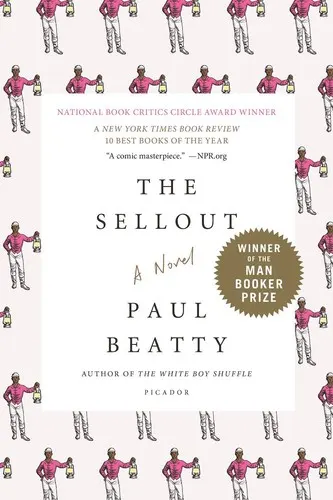
Read this for the dangerous laughter. From its opening in the Supreme Court, The Sellout launches a deadpan assault on America’s racial pieties, using arguments so outrageous that they reveal how outrageous reality already is. Beatty’s sentences ricochet through history, pop culture, social theory, and insult comedy without losing their precision.
A reader who admired James for refusing to separate terror from absurdity will recognize the same high-wire act here. The first American novel to win the Booker Prize, The Sellout is not respectable satire designed to confirm what you believe; it is a brilliant provocation that keeps finding fresh ways to implicate everyone.
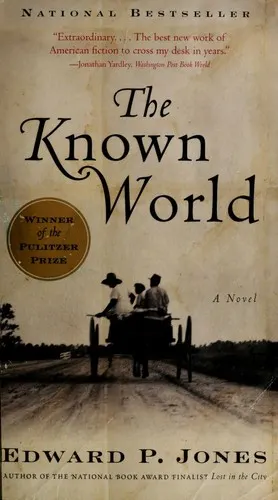
Edward P. Jones begins with the death of Henry Townsend, a formerly enslaved man who became an enslaver, then unfolds an entire community from that devastating contradiction. The novel’s greatness lies in its refusal to turn history into a pageant of obvious villains and uncomplicated victims. Every person possesses an interior life larger than the role the world has assigned them.
Where James gives one misrepresented man back his full intelligence, The Known World restores complexity to a whole social landscape. Jones’s calm, all-seeing narration moves across lives and years with astonishing authority, making casual cruelty and compromised love equally vivid. Its Pulitzer Prize is only the formal confirmation of what the novel itself proves: this is one of the indispensable works of American historical fiction.
If you loved Erasure
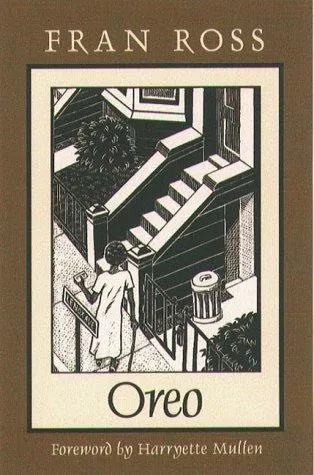
Ross’s neglected 1974 novel—now a fiercely beloved cult classic—has the verbal fearlessness an Erasure reader craves. Its biracial heroine travels in search of her absent father, but the familiar quest framework is continually detonated by jokes, diagrams, invented etymologies, Yiddish wordplay, and parodies of myth.
Like Everett, Ross refuses to make Black identity solemn, legible, or market-ready. Oreo is too intelligent to behave properly and too funny to be reduced to its themes; reading it feels like discovering a secret ancestor of today’s most formally daring fiction.
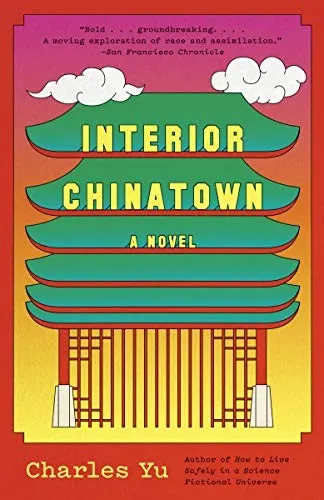
Presented largely as a screenplay, Interior Chinatown casts Willis Wu as “Generic Asian Man,” a background figure dreaming of promotion to “Kung Fu Guy.” Yu turns those roles into an entire social architecture: family history, desire, labor, and selfhood are all constrained by the parts the culture permits someone to play.
An Erasure admirer will recognize the central battle against prefabricated identity, but Yu stages it through typography, genre conventions, and shifts between television fiction and lived experience. The formal ingenuity never smothers the tenderness; its sharpest satire is inseparable from its compassion for people trying to become more than a category. Winner of the National Book Award, it is one of those rare experimental novels whose structural tricks deepen rather than distance its emotional force.
If you loved The Trees
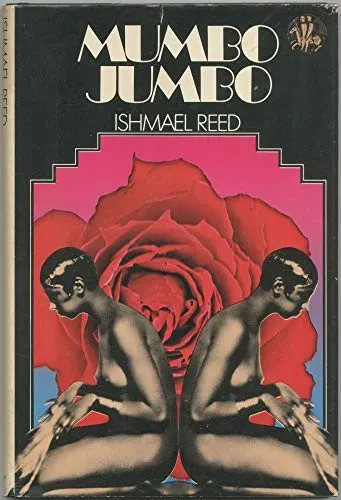
Read Mumbo Jumbo for the exhilarating sense that a novel can seize every available form—detective story, conspiracy thriller, collage, polemic, cartoon—and turn it against official history. In 1920s America, an infectious cultural force called Jes Grew spreads through music and dance, terrifying an establishment determined to suppress it.
Reed’s cult classic, a foundational work of Black postmodernism, supplies part of the tradition behind Everett’s mischief. Both writers treat solemnity with suspicion: typographical play, outrageous names, scholarship, myth, and slapstick become tools for uncovering what respectable narratives conceal. Mumbo Jumbo does not merely tell a story; it rewires the reader’s sense of who gets to manufacture reality.
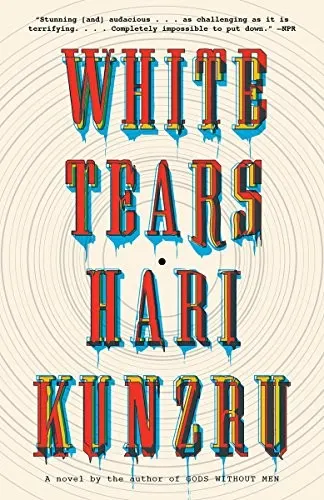
Two young men obsessed with the supposedly pure sound of old blues fabricate a recording by an invented singer—only to discover that the voice may have a history they cannot control. From that superbly unsettling premise, Kunzru makes cultural appropriation feel less like an abstract offense than a haunting with material consequences.
White Tears is less openly comic than The Trees, but it creates the same queasy collision between a gripping genre engine and the unappeased dead. Its soundscape is extraordinarily vivid, its shifts in time and identity deliberately destabilizing, and its anger gathers almost imperceptibly until the reader is trapped inside it. For anyone who admired how Everett makes historical violence erupt into the present, Kunzru’s acclaimed novel is a chilling, indispensable companion.