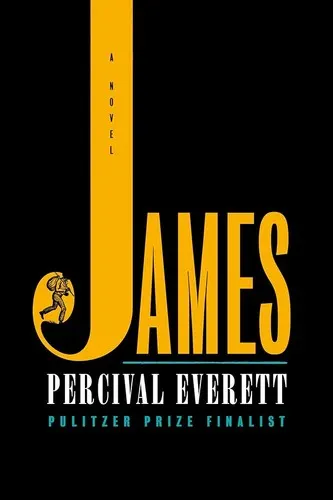
Books like James
James makes language itself a survival tool: the joke, the disguise, the argument, and the weapon are inseparable. These three novels share its audacity, moral intelligence, and refusal to make racial history solemn at the expense of being fiercely alive.
If you liked James, you’ll love these
Not lookalikes — kindred books. Each one shares something essential with James, and we tell you exactly what.
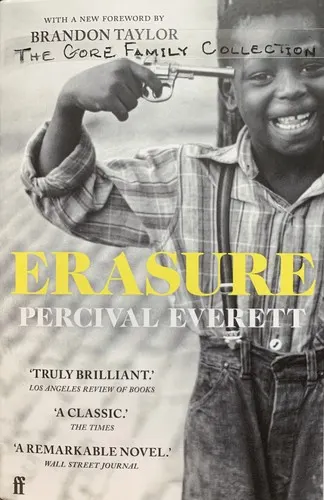
The most direct route back to what electrifies James is Everett’s earlier masterpiece of voice and racial performance. Thelonious “Monk” Ellison, a Black novelist exasperated by the publishing world’s appetite for stereotyped “authenticity,” writes an outrageous parody—and watches the culture embrace it.
Like James, Erasure understands that imposed language can become a prison, while deliberate performance can be both camouflage and counterattack. Its satire is blisteringly funny, but Everett keeps exposing the hurt beneath the intellectual games. A National Book Award finalist that inspired American Fiction, it remains sharper, stranger, and more emotionally complicated than any adaptation could capture.
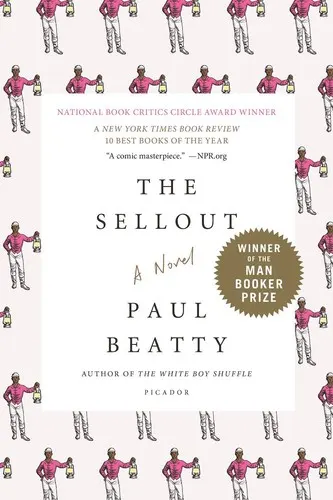
Read this for the dangerous laughter. From its opening in the Supreme Court, The Sellout launches a deadpan assault on America’s racial pieties, using arguments so outrageous that they reveal how outrageous reality already is. Beatty’s sentences ricochet through history, pop culture, social theory, and insult comedy without losing their precision.
A reader who admired James for refusing to separate terror from absurdity will recognize the same high-wire act here. The first American novel to win the Booker Prize, The Sellout is not respectable satire designed to confirm what you believe; it is a brilliant provocation that keeps finding fresh ways to implicate everyone.
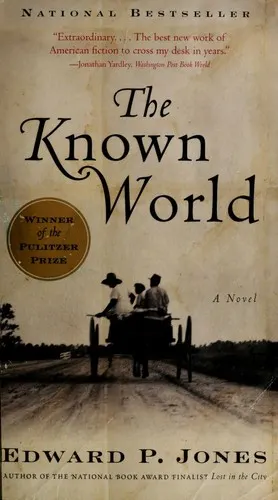
Edward P. Jones begins with the death of Henry Townsend, a formerly enslaved man who became an enslaver, then unfolds an entire community from that devastating contradiction. The novel’s greatness lies in its refusal to turn history into a pageant of obvious villains and uncomplicated victims. Every person possesses an interior life larger than the role the world has assigned them.
Where James gives one misrepresented man back his full intelligence, The Known World restores complexity to a whole social landscape. Jones’s calm, all-seeing narration moves across lives and years with astonishing authority, making casual cruelty and compromised love equally vivid. Its Pulitzer Prize is only the formal confirmation of what the novel itself proves: this is one of the indispensable works of American historical fiction.