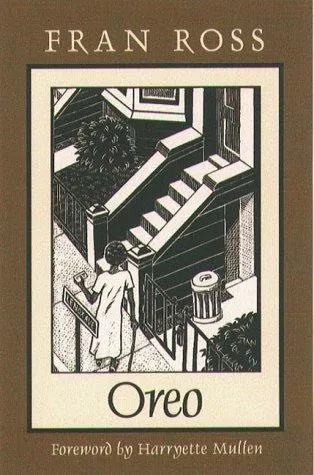
Books like Oreo
These books turn identity into a hall of trick mirrors: every label bends, every solemn institution looks faintly ridiculous, and language itself keeps slipping the lock.
If you liked Oreo, you’ll love these
Not lookalikes — kindred books. Each one shares something essential with Oreo, and we tell you exactly what.
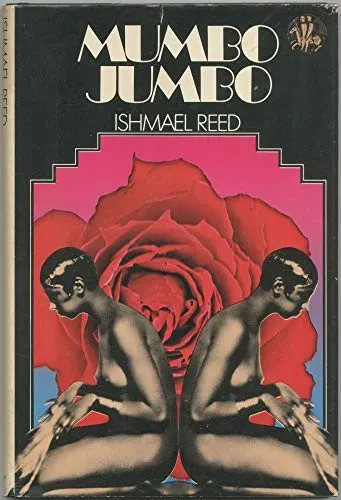
Reed’s cult classic moves like contraband through history, myth, advertising, scholarship, jazz, and conspiracy. Its pages sprout footnotes, photographs, diagrams, and invented authorities; the novel treats respectable Western culture as merely one more dubious story competing for airtime.
What links it most powerfully to Oreo is its liberating insolence. Reed does not politely revise the canon—he raids it, remixes it, and makes its guardians look slow. The result, hugely influential on later Black experimental fiction, is a book in which intellectual seriousness and sustained fooling around become indistinguishable.
Before his Booker Prize–winning The Sellout, Paul Beatty produced this ferocious debut about Gunnar Kaufman, a precocious outsider whose verbal gifts make him both celebrity and unwilling symbol. Gunnar narrates in a torrent of jokes, insults, lyric riffs, and observations too sharp for the people trying to define him.
An Oreo reader will recognize the exhilaration of a protagonist who survives other people’s racial scripts by becoming funnier and linguistically quicker than they are. Beatty’s comedy is dangerous: each dazzling sentence can turn from absurdity to anger before you notice the blade. This is one of the essential modern American comic novels, and its audacity has scarcely dated.
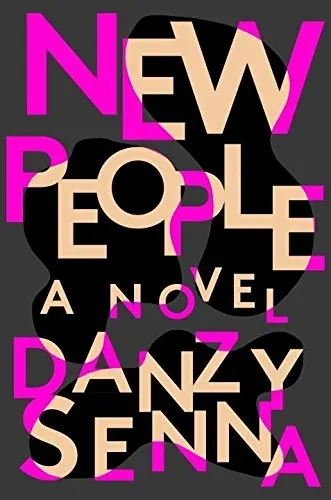
Maria and Khalil are the beautiful mixed-race couple everyone wants to claim as proof of something. As their wedding approaches, Maria’s fixation on a stranger begins to expose how unstable that polished identity—and the social world admiring it—really is.
Senna’s method is cooler and more controlled than Ross’s, but her satire is just as merciless about the hunger to classify people. She catches the tiny performances inside conversations: who is watching, who is authenticating whom, and how desire sabotages an immaculate theory of the self. A New York Times Notable Book, New People is compact, unnerving, and horribly funny—the sort of novel whose social embarrassments remain vivid long after its final page.