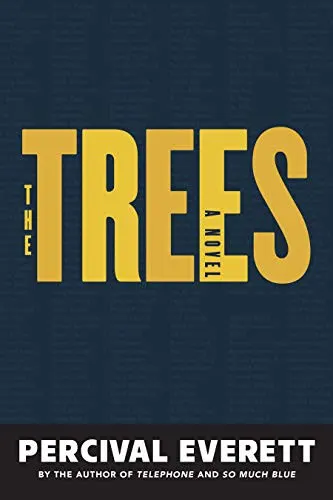
Books like The Trees
Laughter catches in the throat; history refuses to stay buried; the machinery of genre runs just long enough to be commandeered and driven somewhere dangerous.
If you liked The Trees, you’ll love these
Not lookalikes — kindred books. Each one shares something essential with The Trees, and we tell you exactly what.
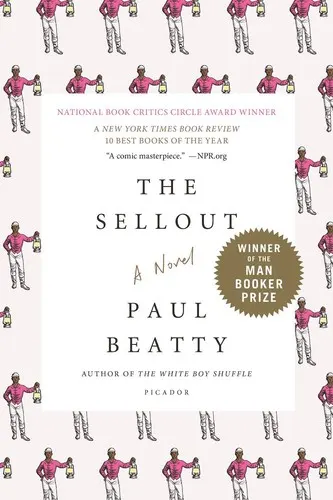
Beatty shares Everett’s gift for making racial absurdity uproarious without making it harmless. The novel opens with its narrator before the Supreme Court, charged with attempting to reinstate segregation and slavery in his erased California hometown—a provocation Beatty develops through manic riffs, deadpan reversals, and sentences packed with intellectual explosives.
Winner of both the Booker Prize and the National Book Critics Circle Award, The Sellout is one of the few contemporary satires that can match The Trees for comic audacity. Its jokes do not offer relief from America’s racial history; they expose the surreal logic by which that history keeps reproducing itself. If Everett’s tonal fearlessness thrilled you, Beatty’s virtuosity is essential.
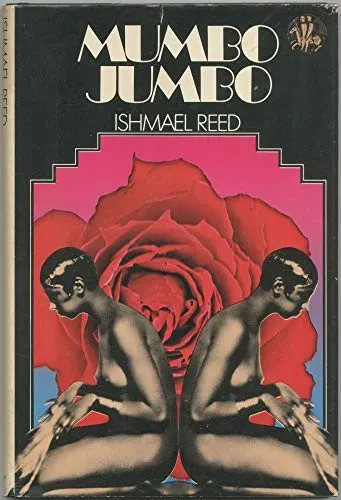
Read Mumbo Jumbo for the exhilarating sense that a novel can seize every available form—detective story, conspiracy thriller, collage, polemic, cartoon—and turn it against official history. In 1920s America, an infectious cultural force called Jes Grew spreads through music and dance, terrifying an establishment determined to suppress it.
Reed’s cult classic, a foundational work of Black postmodernism, supplies part of the tradition behind Everett’s mischief. Both writers treat solemnity with suspicion: typographical play, outrageous names, scholarship, myth, and slapstick become tools for uncovering what respectable narratives conceal. Mumbo Jumbo does not merely tell a story; it rewires the reader’s sense of who gets to manufacture reality.
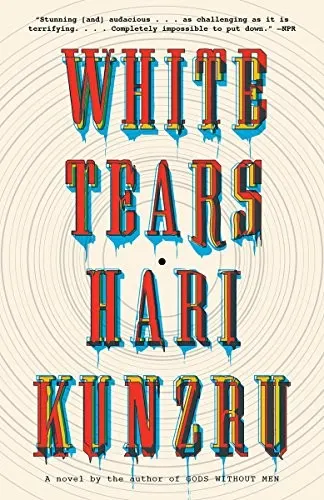
Two young men obsessed with the supposedly pure sound of old blues fabricate a recording by an invented singer—only to discover that the voice may have a history they cannot control. From that superbly unsettling premise, Kunzru makes cultural appropriation feel less like an abstract offense than a haunting with material consequences.
White Tears is less openly comic than The Trees, but it creates the same queasy collision between a gripping genre engine and the unappeased dead. Its soundscape is extraordinarily vivid, its shifts in time and identity deliberately destabilizing, and its anger gathers almost imperceptibly until the reader is trapped inside it. For anyone who admired how Everett makes historical violence erupt into the present, Kunzru’s acclaimed novel is a chilling, indispensable companion.