Author
Books like Miriam Toews
8 books we recommend to Miriam Toews readers, drawn from Women Talking, All My Puny Sorrows and A Complicated Kindness — each with the reason why.
If you loved Women Talking
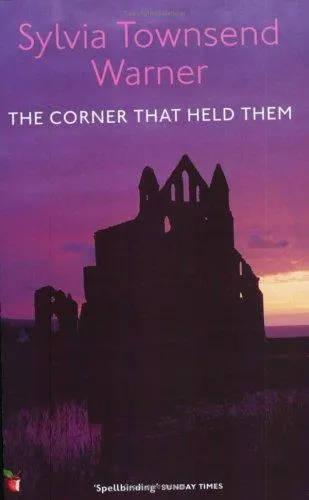
Warner treats a medieval convent not as scenery but as a living collective, shaped by quarrels, illness, money, ritual, appetite, and compromise. Like Toews, she refuses to sentimentalize women in community: solidarity must coexist with irritation, hierarchy, and practical necessity.
The novel’s dry comedy and roaming attention make institutional life feel startlingly immediate. Long cherished as a cult classic and now widely rediscovered, it offers the rare pleasure of watching a group—not a single heroine—become the book’s central consciousness.
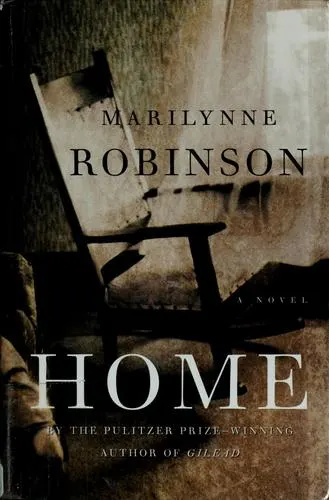
Here, as in Women Talking, conversation is consequential action. Glory Boughton returns to her minister father’s Iowa house just before her troubled brother Jack comes home, and ordinary family exchanges become exacting debates about grace, judgment, responsibility, and whether love can survive clear-eyed knowledge.
Robinson’s Orange Prize–winning novel understands that theology is never merely abstract when it determines who gets forgiven and who must bear the cost. Its restraint only intensifies its emotional force; few novels listen so closely to what people cannot bring themselves to say.
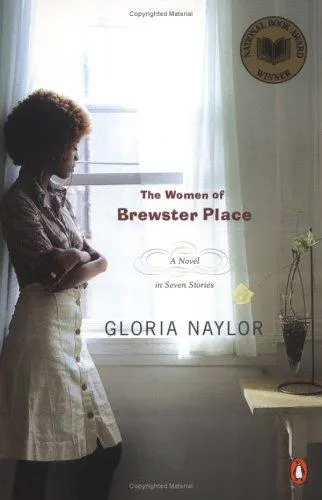
Naylor’s National Book Award–winning debut builds one novel from the interlocking lives of women in a neglected urban housing block. Each voice has its own rhythm, anger, humor, and private history, while Brewster Place gradually becomes a chorus—a community formed less by easy sisterhood than by repeated acts of witness.
Readers drawn to Toews’s balance of brutality and wit will recognize Naylor’s refusal to let violence define the women it reaches. Her language can turn from streetwise comedy to lyric intensity in a sentence, making this not simply a portrait of survival but a landmark novel about women becoming audible to one another.
If you loved All My Puny Sorrows
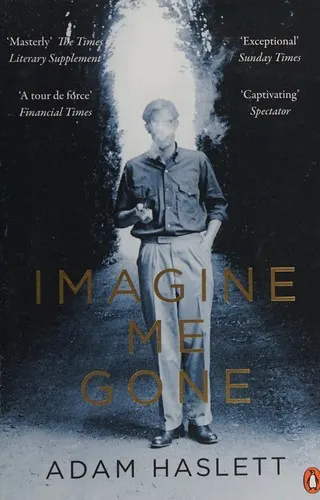
Haslett shares Toews’s rare ability to write about severe depression without either romanticizing it or flattening it into diagnosis. Five members of one family narrate, each with a distinctive way of converting fear into jokes, theories, rituals, or care. The funniest voice is also among the most vulnerable—a combination readers of All My Puny Sorrows will recognize immediately.
A Pulitzer finalist, this is a devastatingly intelligent novel about how illness becomes a family language. Its polyphony makes every act of love look different, and every failure of love painfully comprehensible.
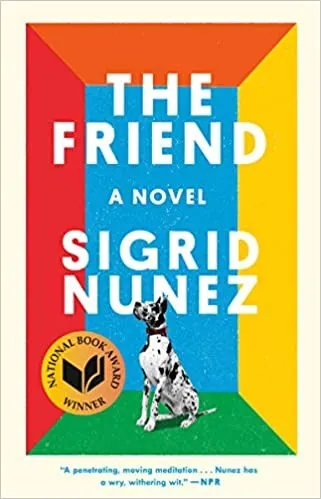
After her mentor dies by suicide, a writer unexpectedly inherits his enormous Great Dane. From that premise, Nunez creates a wonderfully unclassifiable novel: part elegy, part literary argument, part account of the strange practical work of continuing to live.
Like Toews, Nunez refuses consoling clichés. Her narrator is dry, perceptive, sometimes abrasive, and alert to the indignities surrounding grief. Yet the book’s intellectual playfulness never cools its emotion; thought itself becomes a form of mourning. Winner of the National Book Award, The Friend is slim enough to read quickly and rich enough to haunt every subsequent conversation about love, art, and suicide.
Ruth returns home to help care for her father, whose memory is beginning to fail. Khong tells the story in brief dated entries—snatches of conversation, domestic mishaps, stray observations—and those fragments accumulate into a tender, unsentimental family portrait.
The kinship with All My Puny Sorrows lies in its comic reflex: when suffering becomes unbearable, somebody notices the absurd detail in the room. Khong also understands that caregiving can contain irritation, selfishness, devotion, and helplessness all at once. Winner of the California Book Award for First Fiction, this beloved debut makes small moments feel precious without turning them saccharine. It is quietly, sneakily crushing.
If you loved A Complicated Kindness

Baby, the twelve-year-old narrator, has Nomi’s ability to make deprivation sound funny, strange, and momentarily beautiful. Living in Montreal with a heroin-addicted father, she describes danger with a child’s skewed confidence; the reader sees what she cannot yet name. That tension makes her voice both enchanting and devastating.
O’Neill transforms shabby rooms, discarded objects, and unreliable adults into a private mythology without sentimentalizing neglect. The novel’s victory in Canada Reads reflects the fierce attachment it inspires: Baby is the sort of narrator readers feel compelled to protect, even as her verbal sparkle makes her seem capable of saving herself.
Jason Taylor is thirteen, secretly struggling with a stammer, and trying to survive the viciously precise social order of an English village while his family begins to fracture. Like Nomi, he studies his small world’s rules because breaking them can mean exile—and because exposing their absurdity is one way to resist them.
Told across thirteen months, the novel captures adolescent consciousness with astonishing accuracy: the rehearsed conversations, humiliations magnified into catastrophes, sudden perceptions adults miss. Mitchell is famous for elaborate, globe-spanning fiction, but this quieter novel displays his virtuosity at human scale. Its comedy, linguistic inventiveness, and accumulating ache make it a superb match for anyone who loved how A Complicated Kindness turns one teenager’s voice into an entire endangered world.