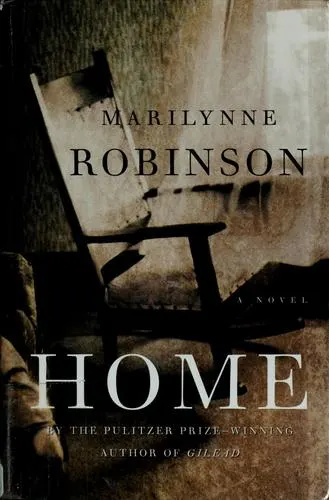
Books like Home
What does love owe the family member it cannot save—and what can forgiveness mean when the hurt keeps returning? These three novels share Home’s rare ability to hold judgment, tenderness, faith, and disappointment in the same steady gaze.
If you liked Home, you’ll love these
Not lookalikes — kindred books. Each one shares something essential with Home, and we tell you exactly what.
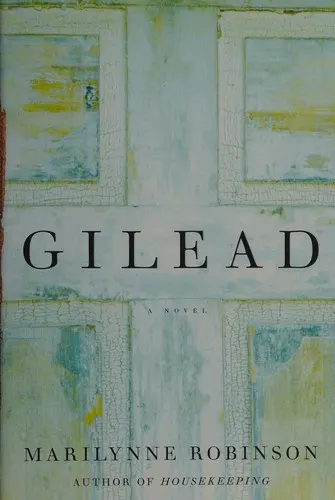
Gilead is not merely a companion to Home; it is a transforming second consciousness. The dying minister John Ames writes a letter to his young son, blessing the ordinary world while wrestling with doubts he cannot preach away. The Boughtons appear here from another angle, and Robinson makes differing perceptions morally consequential: affection can clarify, but it can also blind.
Where Home is shadowed by disappointment, Gilead is lit by wonder—water on a child’s hair, sunlight in a church, the strange holiness of being alive. Its Pulitzer Prize feels almost incidental beside the devotion the novel inspires. Reading it after Home reveals how much Robinson trusts no single person to possess the whole truth.
An elderly narrator reaches back toward an Illinois boyhood friendship shadowed by a murder and by one small failure of loyalty. Maxwell’s method is quiet but devastating: he reconstructs lives from silences, partial memories, and gestures whose meaning arrives decades late.
Like Robinson, Maxwell refuses to confuse compassion with acquittal. He is interested in how loneliness distorts people, how children inherit adult sorrow, and how remorse becomes a form of lifelong companionship. This late masterpiece by the legendary New Yorker editor is very short, astonishingly controlled, and almost impossible to finish without wanting to begin again.
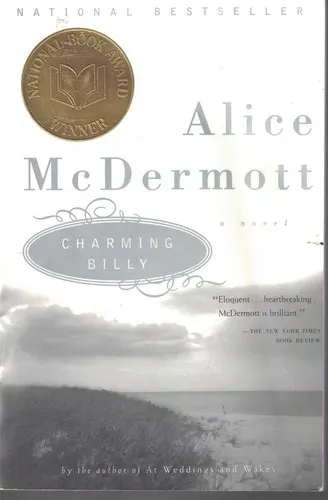
Charming Billy opens after Billy Lynch’s funeral, as relatives and friends gather over food and begin telling stories about him. Their affectionate accounts gradually expose the central difficulty: how do you speak truthfully about a man whose charm, suffering, and self-destruction were inseparable?
A National Book Award winner, the novel has McDermott’s superb ear for family talk—the jokes that conceal grievances, the repeated anecdotes polished into legend, the merciful lie that may also be an evasion. Readers who loved Home’s refusal either to condemn Jack or to romanticize him will recognize the same moral courage here. McDermott makes an entire theology of love emerge from what people say around a table.