
Books like All My Puny Sorrows
Imagine Me Gone turns family sorrow into a chorus, while The Friend distills it into one searching voice. Goodbye, Vitamin completes the trio with a lighter, fragmentary portrait of love under impossible pressure.
If you liked All My Puny Sorrows, you’ll love these
Not lookalikes — kindred books. Each one shares something essential with All My Puny Sorrows, and we tell you exactly what.
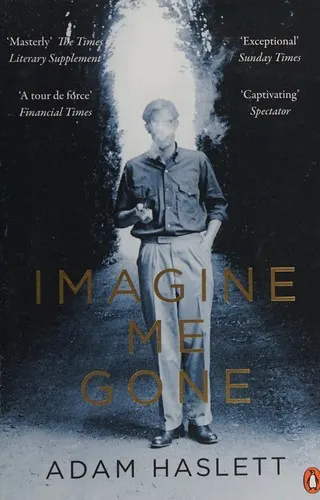
Haslett shares Toews’s rare ability to write about severe depression without either romanticizing it or flattening it into diagnosis. Five members of one family narrate, each with a distinctive way of converting fear into jokes, theories, rituals, or care. The funniest voice is also among the most vulnerable—a combination readers of All My Puny Sorrows will recognize immediately.
A Pulitzer finalist, this is a devastatingly intelligent novel about how illness becomes a family language. Its polyphony makes every act of love look different, and every failure of love painfully comprehensible.
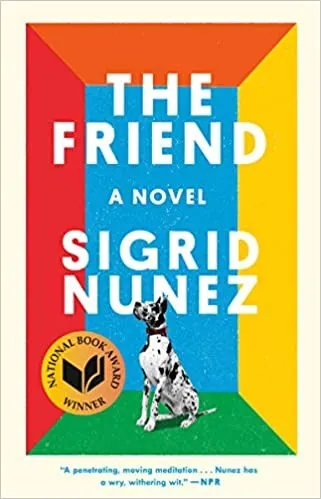
After her mentor dies by suicide, a writer unexpectedly inherits his enormous Great Dane. From that premise, Nunez creates a wonderfully unclassifiable novel: part elegy, part literary argument, part account of the strange practical work of continuing to live.
Like Toews, Nunez refuses consoling clichés. Her narrator is dry, perceptive, sometimes abrasive, and alert to the indignities surrounding grief. Yet the book’s intellectual playfulness never cools its emotion; thought itself becomes a form of mourning. Winner of the National Book Award, The Friend is slim enough to read quickly and rich enough to haunt every subsequent conversation about love, art, and suicide.
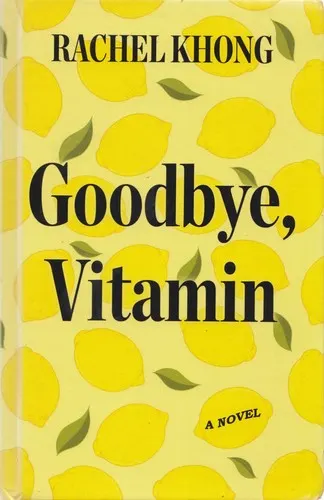
Ruth returns home to help care for her father, whose memory is beginning to fail. Khong tells the story in brief dated entries—snatches of conversation, domestic mishaps, stray observations—and those fragments accumulate into a tender, unsentimental family portrait.
The kinship with All My Puny Sorrows lies in its comic reflex: when suffering becomes unbearable, somebody notices the absurd detail in the room. Khong also understands that caregiving can contain irritation, selfishness, devotion, and helplessness all at once. Winner of the California Book Award for First Fiction, this beloved debut makes small moments feel precious without turning them saccharine. It is quietly, sneakily crushing.