Books like Women Talking
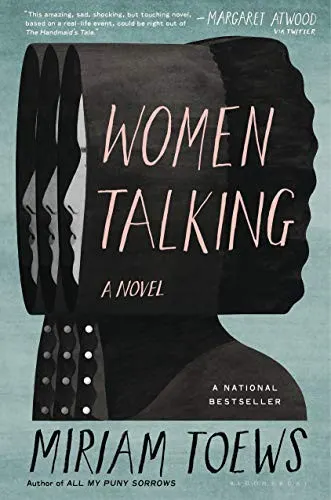
In Women Talking, a hayloft becomes a parliament: every joke, scriptural argument, interruption, and silence alters what freedom might require once the women climb down.
If you liked Women Talking, you’ll love these
Not lookalikes — kindred books. Each one shares something essential with Women Talking, and we tell you exactly what.

Warner treats a medieval convent not as scenery but as a living collective, shaped by quarrels, illness, money, ritual, appetite, and compromise. Like Toews, she refuses to sentimentalize women in community: solidarity must coexist with irritation, hierarchy, and practical necessity.
The novel’s dry comedy and roaming attention make institutional life feel startlingly immediate. Long cherished as a cult classic and now widely rediscovered, it offers the rare pleasure of watching a group—not a single heroine—become the book’s central consciousness.
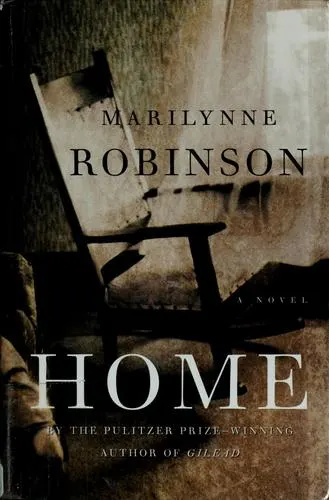
Here, as in Women Talking, conversation is consequential action. Glory Boughton returns to her minister father’s Iowa house just before her troubled brother Jack comes home, and ordinary family exchanges become exacting debates about grace, judgment, responsibility, and whether love can survive clear-eyed knowledge.
Robinson’s Orange Prize–winning novel understands that theology is never merely abstract when it determines who gets forgiven and who must bear the cost. Its restraint only intensifies its emotional force; few novels listen so closely to what people cannot bring themselves to say.
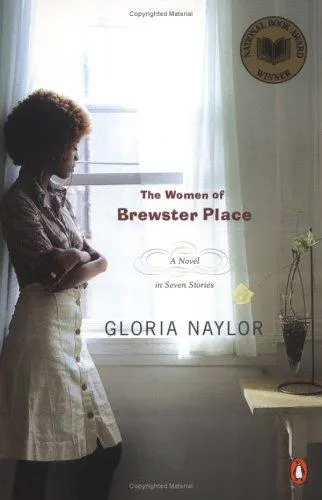
Naylor’s National Book Award–winning debut builds one novel from the interlocking lives of women in a neglected urban housing block. Each voice has its own rhythm, anger, humor, and private history, while Brewster Place gradually becomes a chorus—a community formed less by easy sisterhood than by repeated acts of witness.
Readers drawn to Toews’s balance of brutality and wit will recognize Naylor’s refusal to let violence define the women it reaches. Her language can turn from streetwise comedy to lyric intensity in a sentence, making this not simply a portrait of survival but a landmark novel about women becoming audible to one another.