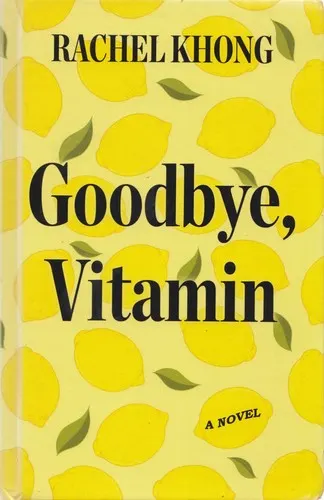
Books like Goodbye, Vitamin
You responded to Rachel Khong’s rare balance of formal playfulness, dry comedy, and love expressed through ordinary acts. These three novels turn emotional crisis into something similarly intimate, surprising, and alive.
If you liked Goodbye, Vitamin, you’ll love these
Not lookalikes — kindred books. Each one shares something essential with Goodbye, Vitamin, and we tell you exactly what.
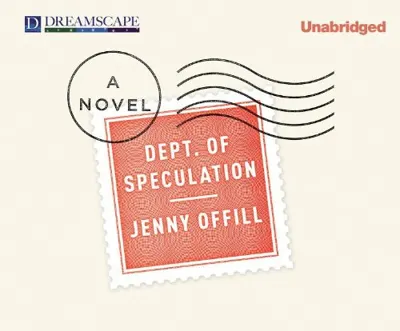
Offill’s novel is built from shards: jokes, quotations, stray facts, memories, and tiny domestic observations that gradually reveal a marriage under strain. Like Khong, she understands that a fragmented form can feel truer than a seamless narrative when a life is coming apart.
Its unnamed narrator is cerebral, self-mocking, and painfully alert to the absurdity of her own distress. A mundane detail can become devastating; an intellectual aside can suddenly expose raw need. Few novels have been more influential on contemporary compressed fiction, yet its imitators rarely equal its precision. If you loved how Goodbye, Vitamin makes wit an instrument of tenderness rather than an escape from pain, this is essential.
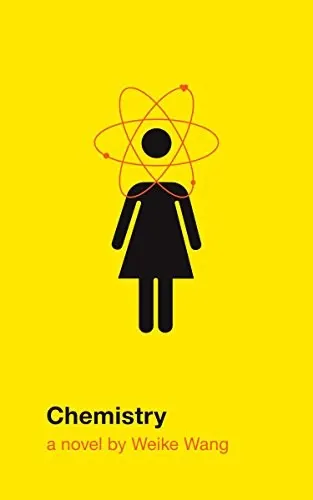
A chemistry graduate student cannot give her boyfriend the answer he wants—or continue pretending that her academic life makes sense. From that impasse, Weike Wang creates a sharply compressed novel about ambition, immigrant-family expectations, romantic uncertainty, and the unnerving freedom of failure.
The kinship lies especially in the voice: deadpan, exact, and capable of turning pain into a sentence so funny you may not register the bruise until afterward. Scientific facts become an emotional vocabulary, just as Ruth’s lists and observations do in Khong’s novel. Winner of the PEN/Hemingway Award, Chemistry is small in size but startlingly complete: a book for anyone who knows that a person can be clever enough to explain almost everything except herself.
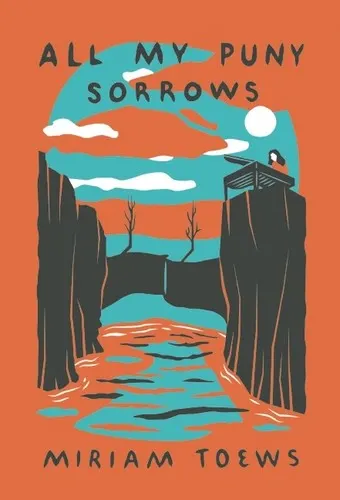
Yoli’s sister Elf is brilliant, beloved, and determined to die; Yoli is equally determined to keep her alive. That premise sounds unrelentingly bleak, but Miriam Toews writes with such irreverence, velocity, and familial warmth that the novel is frequently—and almost scandalously—funny.
What connects it to Goodbye, Vitamin is not simply illness in a family, but the refusal to turn caregiving into saintliness. Love here is impatient, exhausted, practical, selfish, loyal, and expressed through banter and botched attempts to help. Toews, one of Canada’s most admired novelists, won the Rogers Writers’ Trust Fiction Prize for this book. Its many devoted readers cherish it because it neither sentimentalizes suffering nor lets suffering erase comedy. Skipping it would mean missing one of contemporary fiction’s fiercest portraits of how families joke at the edge of the unbearable.