Author
Books like Max Porter
8 books we recommend to Max Porter readers, drawn from Shy, Grief Is the Thing with Feathers and Lanny — each with the reason why.
If you loved Shy
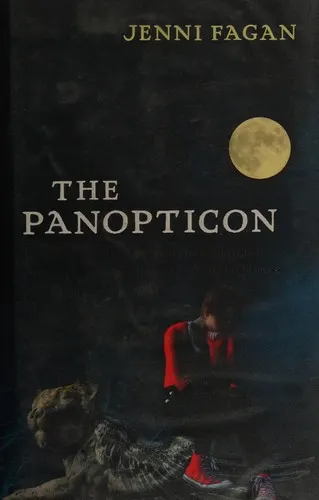
Fifteen-year-old Anais Hendricks enters a care institution accused of attacking a police officer. The system sees a case file; Fagan gives us a furiously intelligent consciousness—funny, suspicious, imaginative and painfully alert to betrayal.
Like Porter, Fagan refuses to translate troubled youth into reassuring psychology. Anais’s Scots-inflected voice keeps changing pressure, turning bravado into poetry and fantasy into self-defence. Fagan was named one of Granta’s Best Young British Novelists soon after this debut, and the recognition makes sense: The Panopticon doesn’t merely ask you to pity a child failed by adults. It makes her impossible to dismiss.
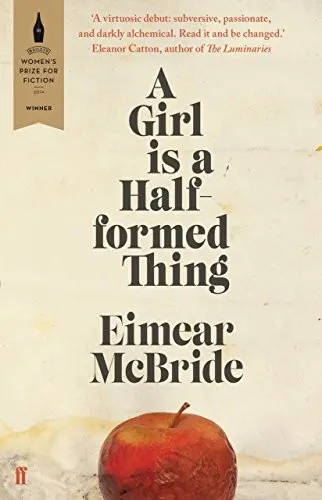
If Shy made you feel that prose could become percussion, breath and neurological weather, read this. McBride breaks grammar open to place us inside a girl’s developing mind, beginning before birth and letting sensations arrive before orderly explanation.
The style is not decorative difficulty: every fracture carries fear, desire or resistance. Few novels make consciousness feel so immediate—or expose so ruthlessly the distance between what a damaged person experiences and what others can recognize. Its victories at the inaugural Goldsmiths Prize and the Baileys Prize confirmed what early readers already knew: this was a genuine formal breakthrough, harrowing and unforgettable.
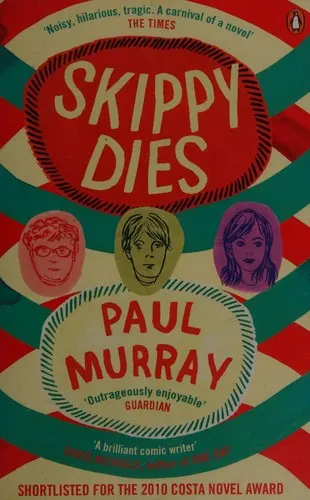
Murray’s novel announces its catastrophe in its opening, then expands outward through the clamorous life of a Dublin boys’ school. Where Shy compresses one night, Skippy Dies builds a teeming ensemble: jokes, obsessions, humiliations, scientific theories and adult evasions all compete for attention.
Its comedy is exuberant, but never a means of looking away. Murray understands how boys turn terror into banter, how institutions mistake discipline for care, and how adults can fail children while believing themselves responsible. Booker-longlisted and cherished by readers as far more than a school novel, it earns its length by making every comic side-current part of the tragedy’s emotional force.
If you loved Grief Is the Thing with Feathers
Johnson’s cult 1969 masterpiece comes as twenty-seven unbound sections, with only the first and last fixed; the rest can be read in any order. The apparent stunt becomes devastatingly exact. Arriving in a city to report a football match, the narrator is ambushed by memories of his friend Tony, and recollection refuses to proceed tidily.
Like Porter, Johnson understands that experimental form can make sorrow more immediate, not less. Affection, boredom, jokes, resentment and helplessness interrupt one another with the disorder of actual mourning. This is one of British experimental fiction’s touchstones: candid, abrasive and painfully alive, a book whose very construction lets grief happen differently for every reader.
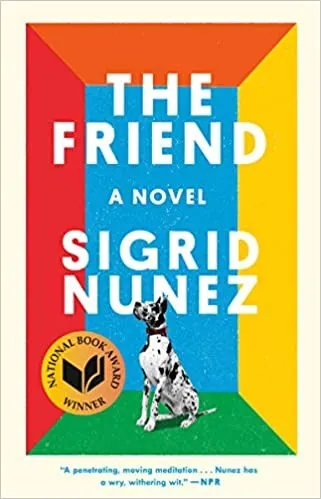
After her closest friend dies, a writer unexpectedly inherits his enormous Great Dane. Yet Nunez’s National Book Award winner is much more than a consoling story about an animal: it is a sly, essay-like novel about friendship, literary life, suicide, memory and the dubious stories people tell about the dead.
Porter admirers will recognize its refusal to separate intellectual play from raw need. The narrator circles her loss through anecdotes, quotations and arguments, while the silent dog becomes an unreadable presence—burden, witness and fellow mourner. Nunez’s composure is deceptive: the book accumulates emotional force so quietly that its final weight can take you by surprise.
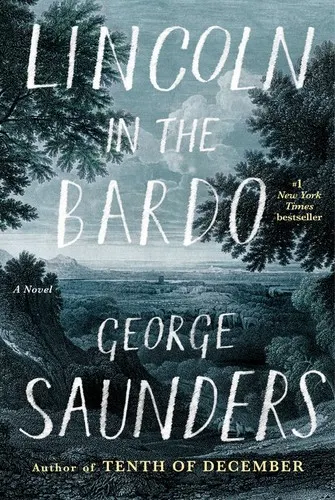
A grieving father enters a cemetery at night; around him, the dead erupt into speech. Saunders builds his Booker Prize-winning novel from a clamorous multitude of voices—vain, frightened, obscene, tender—alongside contradictory fragments of historical testimony.
The kinship with Porter lies in what that chorus achieves. Grief is not explained from a safe distance; it becomes interruption, repetition, grotesque comedy and desperate love. Saunders gives even the most absurd voices a piercing humanity, turning one private loss into a communal argument about attachment and release. Few novels are this formally audacious while remaining so emotionally direct.
If you loved Lanny
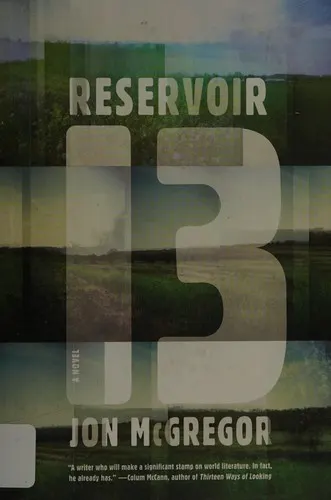
McGregor turns an English village into a collective consciousness. After a teenage girl disappears, individual dramas flicker within a larger rhythm of reservoirs, fox cubs, nesting birds, rainfall and seasonal work. As in Lanny, the missing child matters enormously, but the deepest subject is how a community absorbs an absence while the nonhuman world continues around it.
Winner of the Costa Novel Award and longlisted for the Booker, Reservoir 13 achieves its power through accumulation rather than conventional suspense. Its recurring phrases become incantatory; its passing observations gradually reveal whole lives. If Porter made you feel that a village is both chorus and ecosystem, McGregor’s quietly overwhelming novel is essential.
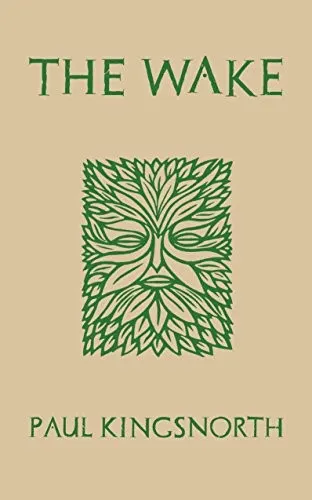
The Wake is for the reader who loved Dead Papa Toothwort’s ancient, feral pressure on the present. Set in the aftermath of the Norman conquest, it is narrated by Buccmaster, a proud and increasingly unstable landowner who believes England’s old gods still speak through trees, water and soil.
Kingsnorth wrote the novel in a brilliantly fashioned ‘shadow tongue’: an English stripped of most Latin-derived words and made strange enough to feel newly grown from the ground. The effect is initially bracing, then hypnotic—the language begins to alter how you see landscape and power. Longlisted for the Booker and winner of the Gordon Burn Prize, The Wake has earned passionate readers precisely because it offers an experience few novels dare attempt: not merely describing an enchanted worldview, but trapping you inside its weather.