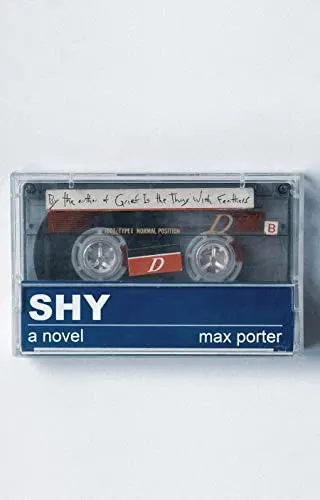
Books like Shy
What do we owe a child whose pain has made him almost impossible to reach? These novels share Shy’s deeper gifts: linguistic daring, unsentimental compassion, and an ability to hear the person beneath the noise.
If you liked Shy, you’ll love these
Not lookalikes — kindred books. Each one shares something essential with Shy, and we tell you exactly what.
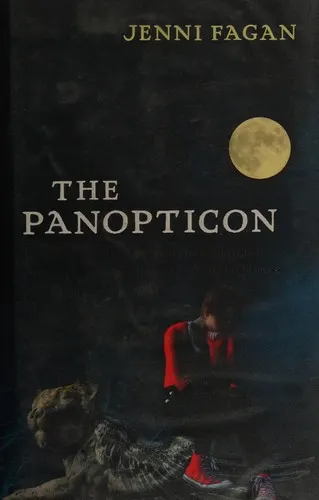
Fifteen-year-old Anais Hendricks enters a care institution accused of attacking a police officer. The system sees a case file; Fagan gives us a furiously intelligent consciousness—funny, suspicious, imaginative and painfully alert to betrayal.
Like Porter, Fagan refuses to translate troubled youth into reassuring psychology. Anais’s Scots-inflected voice keeps changing pressure, turning bravado into poetry and fantasy into self-defence. Fagan was named one of Granta’s Best Young British Novelists soon after this debut, and the recognition makes sense: The Panopticon doesn’t merely ask you to pity a child failed by adults. It makes her impossible to dismiss.
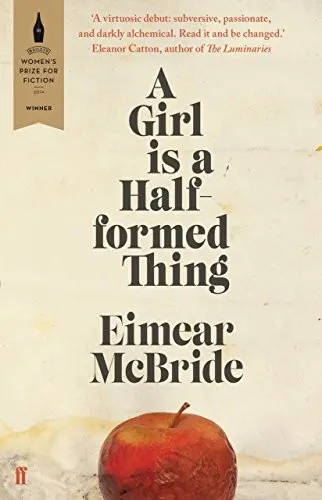
If Shy made you feel that prose could become percussion, breath and neurological weather, read this. McBride breaks grammar open to place us inside a girl’s developing mind, beginning before birth and letting sensations arrive before orderly explanation.
The style is not decorative difficulty: every fracture carries fear, desire or resistance. Few novels make consciousness feel so immediate—or expose so ruthlessly the distance between what a damaged person experiences and what others can recognize. Its victories at the inaugural Goldsmiths Prize and the Baileys Prize confirmed what early readers already knew: this was a genuine formal breakthrough, harrowing and unforgettable.
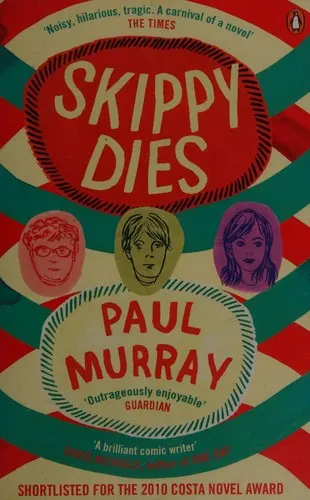
Murray’s novel announces its catastrophe in its opening, then expands outward through the clamorous life of a Dublin boys’ school. Where Shy compresses one night, Skippy Dies builds a teeming ensemble: jokes, obsessions, humiliations, scientific theories and adult evasions all compete for attention.
Its comedy is exuberant, but never a means of looking away. Murray understands how boys turn terror into banter, how institutions mistake discipline for care, and how adults can fail children while believing themselves responsible. Booker-longlisted and cherished by readers as far more than a school novel, it earns its length by making every comic side-current part of the tragedy’s emotional force.