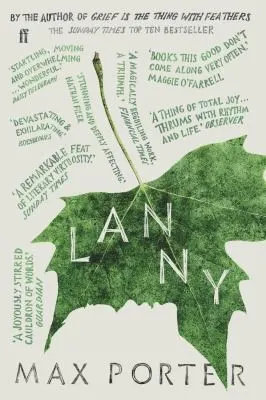
Books like Lanny
Voices gather in the dark; the earth seems sentient; grief, folklore and village gossip mingle until ordinary life becomes strange and sacred.
If you liked Lanny, you’ll love these
Not lookalikes — kindred books. Each one shares something essential with Lanny, and we tell you exactly what.
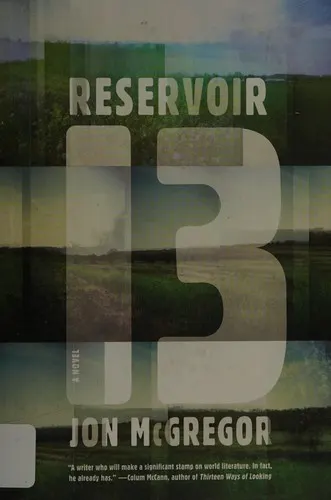
McGregor turns an English village into a collective consciousness. After a teenage girl disappears, individual dramas flicker within a larger rhythm of reservoirs, fox cubs, nesting birds, rainfall and seasonal work. As in Lanny, the missing child matters enormously, but the deepest subject is how a community absorbs an absence while the nonhuman world continues around it.
Winner of the Costa Novel Award and longlisted for the Booker, Reservoir 13 achieves its power through accumulation rather than conventional suspense. Its recurring phrases become incantatory; its passing observations gradually reveal whole lives. If Porter made you feel that a village is both chorus and ecosystem, McGregor’s quietly overwhelming novel is essential.
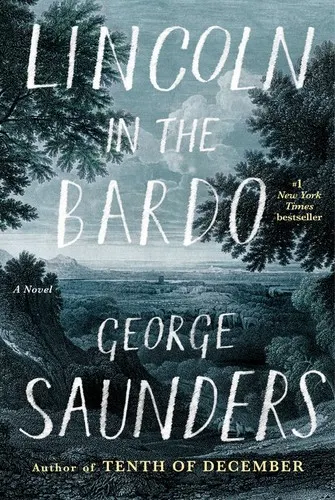
For the exhilarating polyphony of Lanny, read Saunders’s audacious chorus of the dead. Abraham Lincoln’s young son has died, and the cemetery where he lies teems with spirits who speak over, around and against one another—comic, grotesque, self-deceiving and piercingly tender.
The Booker Prize–winning novel looks radically experimental on the page, yet its formal play serves an elemental emotional purpose: it shows grief as something too large for any single voice. Saunders can move from slapstick to desolation within a sentence, making the supernatural intimate rather than decorative. Few novels match Lanny so closely in proving that wild invention can intensify, rather than obscure, human sorrow.
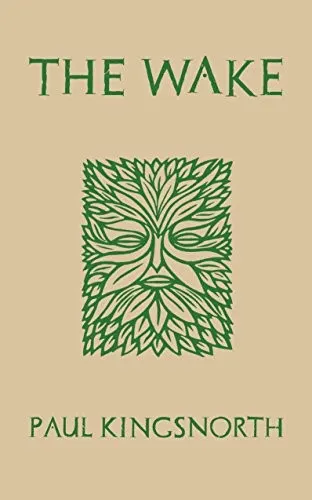
The Wake is for the reader who loved Dead Papa Toothwort’s ancient, feral pressure on the present. Set in the aftermath of the Norman conquest, it is narrated by Buccmaster, a proud and increasingly unstable landowner who believes England’s old gods still speak through trees, water and soil.
Kingsnorth wrote the novel in a brilliantly fashioned ‘shadow tongue’: an English stripped of most Latin-derived words and made strange enough to feel newly grown from the ground. The effect is initially bracing, then hypnotic—the language begins to alter how you see landscape and power. Longlisted for the Booker and winner of the Gordon Burn Prize, The Wake has earned passionate readers precisely because it offers an experience few novels dare attempt: not merely describing an enchanted worldview, but trapping you inside its weather.