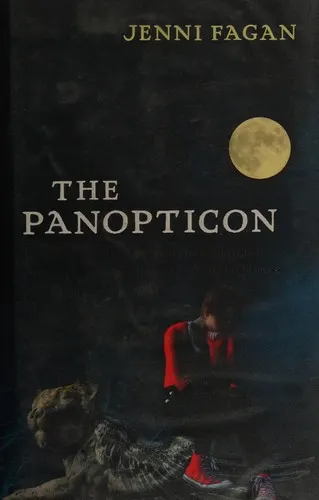
Books like The Panopticon
Anais Hendricks makes surveillance feel almost physical: every adult institution is watching her, yet none will truly see her. Fagan’s triumph is to give that fury a voice as lyrical, funny and defiantly alive as the girl herself.
If you liked The Panopticon, you’ll love these
Not lookalikes — kindred books. Each one shares something essential with The Panopticon, and we tell you exactly what.
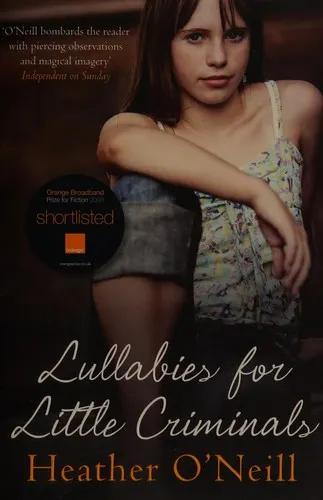
Twelve-year-old Baby lives with her heroin-addicted father in Montreal, moving between shabby rooms, foster care and streets whose dangers she only partly understands. Like Anais, she narrates deprivation through an imagination so bright that the beauty never prettifies the harm; jokes, fantasies and startling metaphors become instruments of survival.
O’Neill is especially good at the painful gap between what a child reports and what the reader recognizes. Yet Baby is never reduced to innocence or victimhood—she is observant, unruly and fully herself. The novel won Canada Reads and inspired lasting devotion because its tenderness is inseparable from its anger. If Fagan’s fusion of ferocity and vulnerability held you, Baby’s voice is one you need to hear.
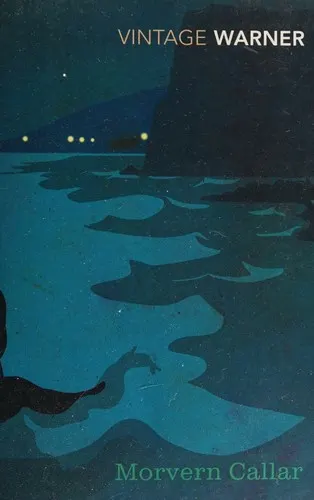
Morvern finds her boyfriend dead in their kitchen, with his unpublished novel on the computer and Christmas presents beneath the tree. What follows begins not with conventional grief but with her cool, enigmatic attention to music, work, money and bodily sensation.
The kinship with The Panopticon lies in Warner’s refusal to make a working-class Scottish young woman explain herself for the reader’s comfort. Morvern’s vernacular has its own rhythm and moral logic; her apparent detachment conceals a fierce insistence on directing her own life. Winner of a Somerset Maugham Award and later filmed by Lynne Ramsay, this cult novel helped establish how strange, stylish and uncompromising contemporary Scottish fiction could be. Morvern is not lovable on command—and that freedom is precisely what makes her unforgettable.
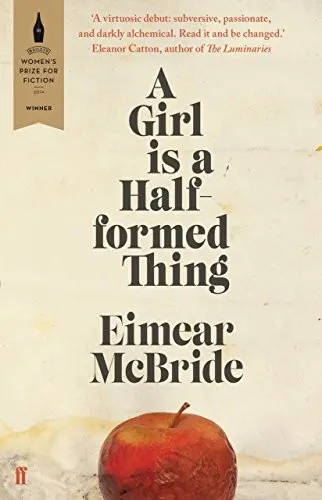
This novel puts you inside a young woman’s consciousness before ordinary grammar can tidy it up. Its fractured sentences arrive as impulse, dread, memory and desire: language under pressure rather than polished testimony. Where Fagan lets Anais’s voice fight the categories imposed on her, McBride goes further and makes syntax itself resist containment.
It is an intense, demanding reading experience, but never an empty formal stunt. The brokenness of the prose creates an almost unbearable intimacy while preserving the narrator’s wit, appetite and stubborn individuality. McBride’s debut won the inaugural Goldsmiths Prize and then the Baileys Women’s Prize, changing expectations of what an experimental novel could achieve with raw emotion. Readers willing to surrender to its rhythm often emerge shaken; skipping it would mean missing one of the boldest fictional voices of this century.