Author
Books like José Saramago
6 books we recommend to José Saramago readers, drawn from Blindness and Death with Interruptions — each with the reason why.
If you loved Blindness
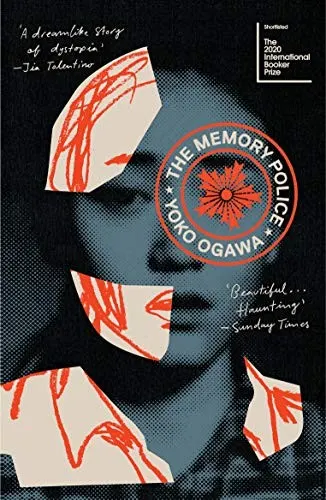
On an unnamed island, objects vanish first from memory and then from daily life, while an implacable police force ensures that nobody clings to what has been erased. A novelist who can still remember hides someone whose memory has also survived.
Ogawa shares Saramago’s gift for making an absurd premise feel like the purest account of ordinary political obedience. Her calm, crystalline sentences differ sharply from his rushing prose, but the effect is equally disturbing: terror becomes routine, neighbors adapt, and language itself begins to fail. Shortlisted for the International Booker Prize, this is a haunting study of complicity, tenderness, and the fragile resistance contained in remembering.
A woman staying in an Alpine hunting lodge wakes to find herself cut off from the world by an invisible wall. What follows is not an adventure story but a fiercely exact record of work: tending a cow, planting potatoes, surviving winters, and learning what obligations remain when society disappears.
Where Blindness crowds people together until civilization’s restraints rupture, The Wall removes almost everyone and asks whether morality can persist without witnesses. Haushofer makes physical necessity—food, weather, animal care—carry immense philosophical weight. Published in 1963 and since embraced as a feminist and ecological classic, it inspires unusual devotion because its solitude feels not empty but morally alive.
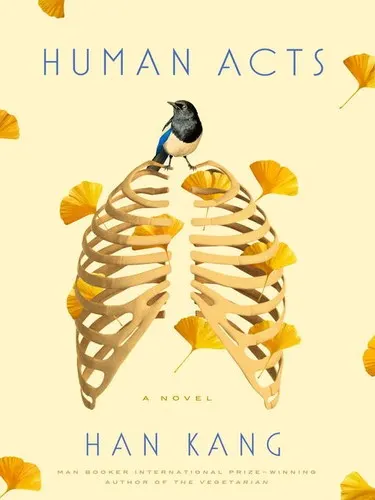
Human Acts begins amid the bodies left by the 1980 Gwangju uprising, where a boy searches for a missing friend and helps identify the dead. Han Kang then lets violence reverberate through multiple lives and voices, refusing both historical abstraction and consoling distance.
A reader drawn to Blindness for its uncompromising scrutiny of cruelty will recognize the same insistence that bodies matter and that dignity survives through small, dangerous acts of care. But here the atrocity is historical, and Han’s lucid, controlled prose makes denial impossible. This devastating novel became central to the international reputation that culminated in her 2024 Nobel Prize; it is one of the rare books whose horror deepens, rather than extinguishes, faith in human solidarity.
If you loved Death with Interruptions
Brás Cubas narrates from beyond the grave, released from the need to flatter society—or even to respect the conventions of storytelling. In tiny chapters, abrupt digressions and conspiratorial addresses to the reader, he dissects vanity, romance, status and his own failures with irresistible composure.
Like Saramago, Machado makes philosophical inquiry feel mischievous rather than dutiful: mortality becomes the vantage point from which human self-importance looks most absurd. Published in 1881 and now regarded as a defining masterpiece of Brazilian literature, this startlingly modern novel offers the same pleasure of being guided by a narrator who is funny, intimate and several moves ahead of you.
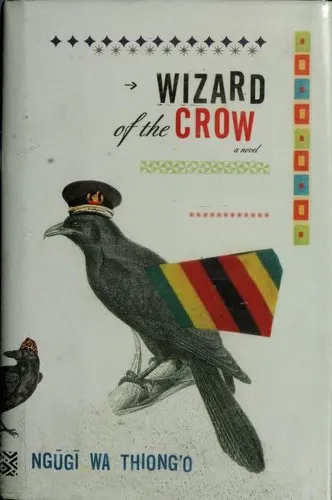
In the fictional dictatorship of Aburĩria, a vainglorious ruler dreams of building a tower to heaven while ministers, financiers and ordinary citizens improvise their way through an increasingly surreal political reality. Ngũgĩ treats absurdity not as an escape from history but as the clearest possible description of power.
A reader who loved watching governments and institutions struggle to administer the impossible in Death with Interruptions will relish this novel’s escalating inventions, sly repetitions and communal storytelling. Originally written in Gikuyu and translated by Ngũgĩ himself, Wizard of the Crow is his vast late-career achievement: ferocious, generous and very funny, with the inexhaustible energy of a folktale being told by an entire country.
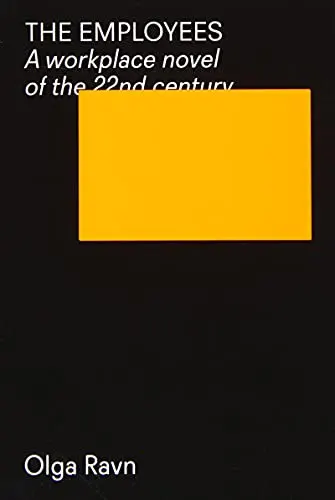
Aboard a spacecraft, human and humanoid workers give numbered statements to an administrative committee after mysterious objects are brought aboard. The testimony begins clinically, but sensations, memories and longings keep escaping the categories meant to contain them.
Where Saramago is expansive and teasing, Ravn is compressed and eerie; the kinship lies in their ability to expose metaphysical panic through bureaucratic language. Both ask what happens when an institution encounters something that makes its definitions of life, labor and personhood collapse. Shortlisted for the International Booker Prize, The Employees is brief enough to read in an evening yet haunting enough to rearrange the emotional furniture for much longer.