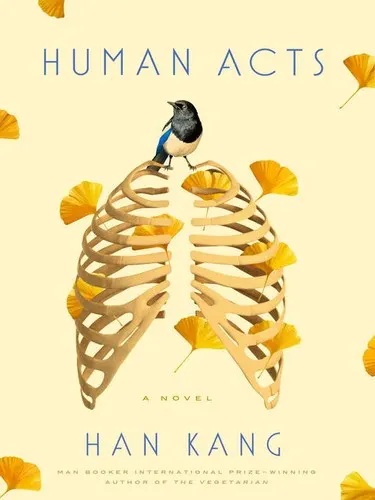
Books like Human Acts
Where Minor Detail makes atrocity chilling through omission and geometric control, Beloved lets suppressed history erupt as a haunting. Anil’s Ghost stands between them, joining forensic clarity to lyric grief. All three share Han Kang’s faith that fiction can restore attention—and dignity—to lives political violence has tried to erase.
If you liked Human Acts, you’ll love these
Not lookalikes — kindred books. Each one shares something essential with Human Acts, and we tell you exactly what.
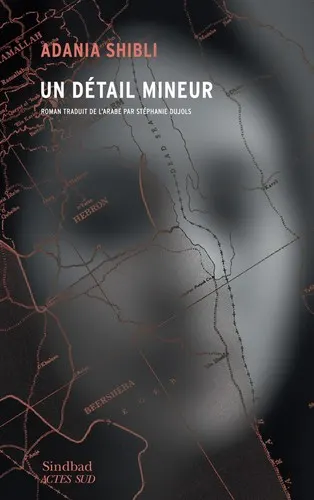
Shibli’s short, devastating novel has the same moral precision as Human Acts: every object, bodily sensation, and silence matters. An atrocity committed during the 1948 Arab–Israeli war is followed decades later by a woman’s obsessive attempt to understand it. The novel refuses consoling eloquence; its cool repetitions and omissions force the reader to confront how violence survives in landscapes, borders, and daily habits.
Shortlisted for the International Booker Prize, Minor Detail is a masterclass in restraint. If Han Kang’s refusal to sentimentalize suffering moved you, Shibli’s fierce, exacting prose is indispensable.
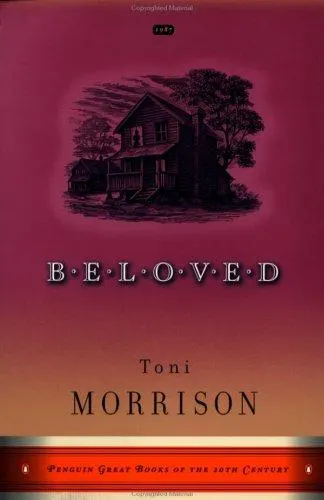
Few novels equal Human Acts in making history simultaneously bodily, intimate, and haunted. From its opening, Morrison’s post–Civil War household is inhabited by what cannot be buried: memory becomes a presence, language fractures under pressure, and private love is inseparable from collective catastrophe.
Morrison’s polyphonic storytelling offers the deepest kinship with Han Kang’s shifting voices. Both writers ask who may speak for the dead, how trauma passes between people, and whether a community can bear witness without mastering another person’s pain. Winner of the Pulitzer Prize and now foundational to American literature, Beloved has lost none of its capacity to astonish or wound; avoiding it means missing one of the supreme achievements of the modern novel.
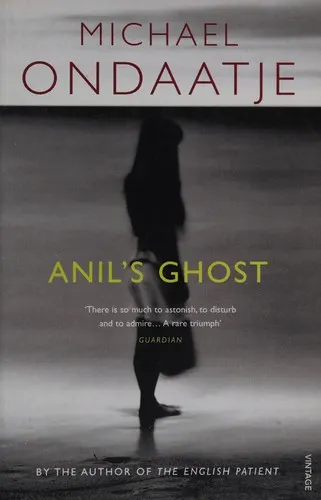
A forensic anthropologist returns to civil-war-torn Sri Lanka and examines an unidentified skeleton whose bones may expose a political killing. Ondaatje turns that investigation into something larger: a meditation on naming the dead, preserving evidence, and making art when power depends upon disappearance.
Like Human Acts, Anil’s Ghost moves through several consciousnesses rather than granting one protagonist ownership of the tragedy. Its fragments—anatomical, archaeological, artistic—accumulate into a charged portrait of people performing exact, tender work amid terror. The novel won Canada’s Giller Prize and France’s Prix Médicis étranger, but its lasting distinction is quieter: it makes the recovery of one human identity feel like an act of resistance.