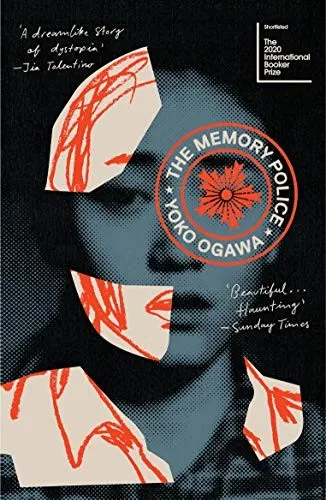
Books like The Memory Police
What lingers is Ogawa’s unnerving gentleness: the way vanished things, quiet complicity, and small acts of care become more haunting long after the final page. These three novels possess that same delayed power.
If you liked The Memory Police, you’ll love these
Not lookalikes — kindred books. Each one shares something essential with The Memory Police, and we tell you exactly what.

Kavan turns catastrophe into a lucid, recurring nightmare. A nameless narrator travels through a world being consumed by ice while pursuing an elusive young woman; places and motives shift with dream logic, yet every frozen landscape feels terrifyingly exact.
Like Ogawa, Kavan refuses the reassuring machinery of conventional dystopia. The menace is at once political, psychological, and almost mythic, and her crystalline prose makes beauty inseparable from dread. Once neglected, Ice has become a fiercely admired cult classic because it does something few novels can: it makes the end of the world feel like an intimate obsession. Readers susceptible to The Memory Police’s calm unreality should not miss its colder, wilder cousin.
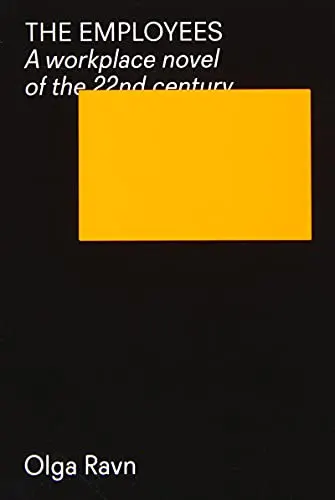
On a spacecraft staffed by humans and humanoids, a committee collects statements about strange objects brought aboard. From these brief testimonies emerges a chorus of longing: for touch, scent, childhood, mortality, and a home that may exist only in memory.
Shortlisted for the International Booker Prize, Ravn’s novel is formally daring without being chilly. Its bureaucratic fragments gradually acquire extraordinary emotional pressure, much as Ogawa’s disappearing objects reveal how identity is stored in the material world. The Employees is tiny enough to read in an evening, but its questions—what makes a person, and who benefits when desire is regulated?—continue unfolding afterward.
Ishiguro’s narrator, Kathy, recalls her childhood at an apparently idyllic English boarding school, dwelling on friendships, jealousies, treasured possessions, and the teachers’ oddly guarded behavior. The novel’s force lies not in a sensational revelation but in how ordinary language accommodates an intolerable reality.
That makes it a profound companion to The Memory Police. Both novels understand that authoritarian cruelty need not arrive shouting: it can be absorbed into habits, euphemisms, and the limits of what people allow themselves to ask. Ishiguro’s restraint is devastating, and the tenderness among his characters never becomes sentimental. Widely regarded as one of his finest novels, it leaves readers mourning not only what is taken from people, but how thoroughly they can be taught to accept the taking.