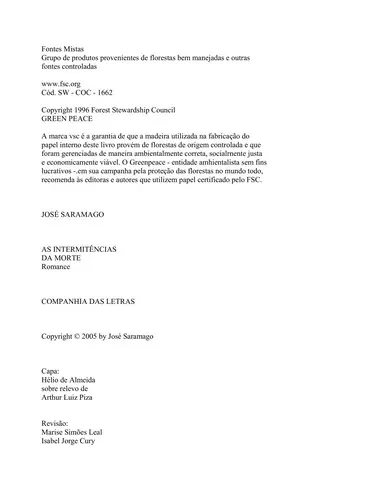
Books like Death with Interruptions
Death with Interruptions and Machado de Assis’s The Posthumous Memoirs of Brás Cubas both turn death from a solemn ending into a license for outrageous literary freedom.
If you liked Death with Interruptions, you’ll love these
Not lookalikes — kindred books. Each one shares something essential with Death with Interruptions, and we tell you exactly what.
Brás Cubas narrates from beyond the grave, released from the need to flatter society—or even to respect the conventions of storytelling. In tiny chapters, abrupt digressions and conspiratorial addresses to the reader, he dissects vanity, romance, status and his own failures with irresistible composure.
Like Saramago, Machado makes philosophical inquiry feel mischievous rather than dutiful: mortality becomes the vantage point from which human self-importance looks most absurd. Published in 1881 and now regarded as a defining masterpiece of Brazilian literature, this startlingly modern novel offers the same pleasure of being guided by a narrator who is funny, intimate and several moves ahead of you.
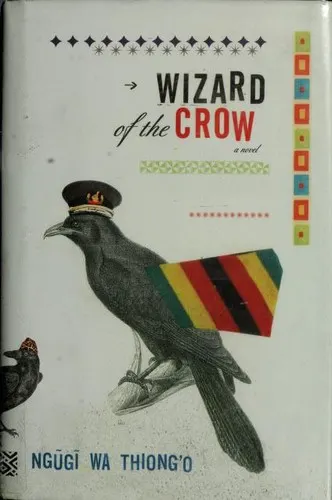
In the fictional dictatorship of Aburĩria, a vainglorious ruler dreams of building a tower to heaven while ministers, financiers and ordinary citizens improvise their way through an increasingly surreal political reality. Ngũgĩ treats absurdity not as an escape from history but as the clearest possible description of power.
A reader who loved watching governments and institutions struggle to administer the impossible in Death with Interruptions will relish this novel’s escalating inventions, sly repetitions and communal storytelling. Originally written in Gikuyu and translated by Ngũgĩ himself, Wizard of the Crow is his vast late-career achievement: ferocious, generous and very funny, with the inexhaustible energy of a folktale being told by an entire country.
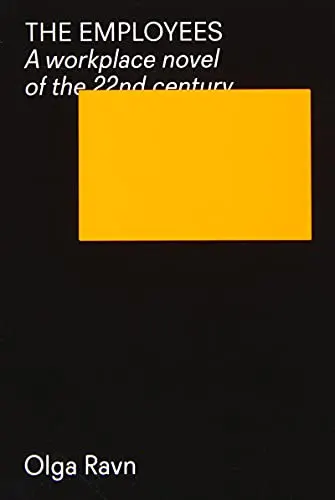
Aboard a spacecraft, human and humanoid workers give numbered statements to an administrative committee after mysterious objects are brought aboard. The testimony begins clinically, but sensations, memories and longings keep escaping the categories meant to contain them.
Where Saramago is expansive and teasing, Ravn is compressed and eerie; the kinship lies in their ability to expose metaphysical panic through bureaucratic language. Both ask what happens when an institution encounters something that makes its definitions of life, labor and personhood collapse. Shortlisted for the International Booker Prize, The Employees is brief enough to read in an evening yet haunting enough to rearrange the emotional furniture for much longer.