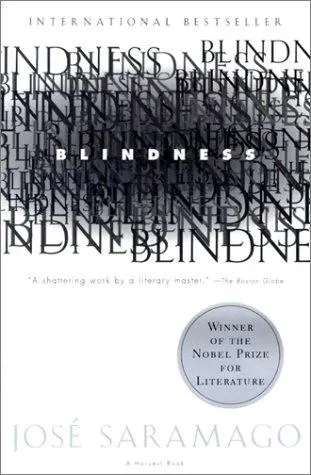
Books like Blindness
Blindness and Yoko Ogawa’s The Memory Police turn impossible calamities into merciless tests of what a society will surrender—and what a few people will still protect.
If you liked Blindness, you’ll love these
Not lookalikes — kindred books. Each one shares something essential with Blindness, and we tell you exactly what.
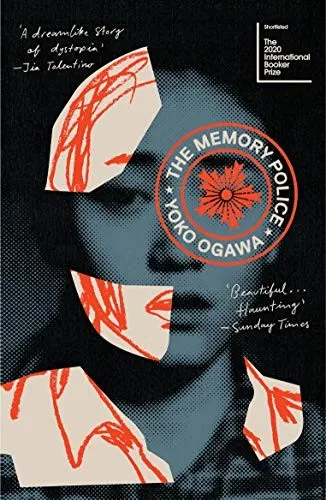
On an unnamed island, objects vanish first from memory and then from daily life, while an implacable police force ensures that nobody clings to what has been erased. A novelist who can still remember hides someone whose memory has also survived.
Ogawa shares Saramago’s gift for making an absurd premise feel like the purest account of ordinary political obedience. Her calm, crystalline sentences differ sharply from his rushing prose, but the effect is equally disturbing: terror becomes routine, neighbors adapt, and language itself begins to fail. Shortlisted for the International Booker Prize, this is a haunting study of complicity, tenderness, and the fragile resistance contained in remembering.
A woman staying in an Alpine hunting lodge wakes to find herself cut off from the world by an invisible wall. What follows is not an adventure story but a fiercely exact record of work: tending a cow, planting potatoes, surviving winters, and learning what obligations remain when society disappears.
Where Blindness crowds people together until civilization’s restraints rupture, The Wall removes almost everyone and asks whether morality can persist without witnesses. Haushofer makes physical necessity—food, weather, animal care—carry immense philosophical weight. Published in 1963 and since embraced as a feminist and ecological classic, it inspires unusual devotion because its solitude feels not empty but morally alive.
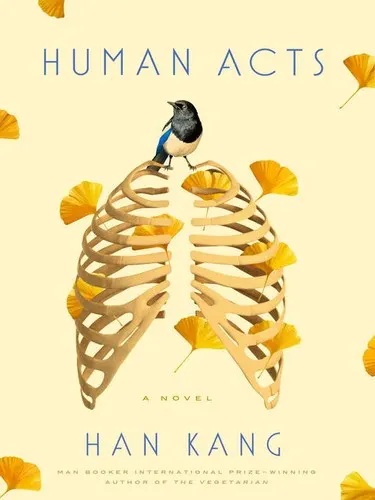
Human Acts begins amid the bodies left by the 1980 Gwangju uprising, where a boy searches for a missing friend and helps identify the dead. Han Kang then lets violence reverberate through multiple lives and voices, refusing both historical abstraction and consoling distance.
A reader drawn to Blindness for its uncompromising scrutiny of cruelty will recognize the same insistence that bodies matter and that dignity survives through small, dangerous acts of care. But here the atrocity is historical, and Han’s lucid, controlled prose makes denial impossible. This devastating novel became central to the international reputation that culminated in her 2024 Nobel Prize; it is one of the rare books whose horror deepens, rather than extinguishes, faith in human solidarity.