Author
Books like Jonathan Lethem
6 books we recommend to Jonathan Lethem readers, drawn from The Fortress of Solitude and Dissident Gardens — each with the reason why.
If you loved The Fortress of Solitude
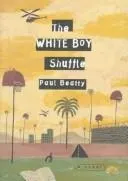
Like Lethem, Beatty turns a boy’s racial education into something exuberantly funny, linguistically electric, and increasingly troubling. Gunnar Kaufman—poet, reluctant basketball phenomenon, and skeptical observer—is uprooted from sheltered Santa Monica and dropped into a Los Angeles neighborhood whose codes he must learn quickly.
Beatty’s celebrated debut has become a cult classic because its jokes never simplify the questions beneath them: Who gets to define Black authenticity? What happens when other people turn your gifts into a role you cannot escape? Its verbal swagger and collision of pop culture, humiliation, anger, and social history should feel instantly congenial to a reader who loved Lethem’s Dylan Ebdus. Few coming-of-age novels are this hilarious while remaining this merciless.
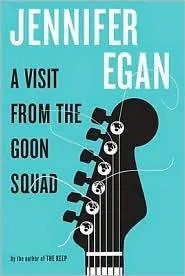
Egan understands, as Lethem does, that music is not decorative background—it is a machine for preserving selves that time is busy destroying. Beginning with record producer Bennie Salazar and his assistant Sasha, the novel moves among musicians, failures, friends, children, and former lovers, changing form and perspective as their lives intersect.
The Pulitzer Prize–winning result has the exhilaration of a great album: every section sounds different, yet recurring motifs gather emotional force. Its formal daring—including one justly famous chapter composed as a slide presentation—never obscures its tenderness toward compromised people. If the adult sections of The Fortress of Solitude left you haunted by talent, betrayal, and roads not taken, Egan’s novel is essential.
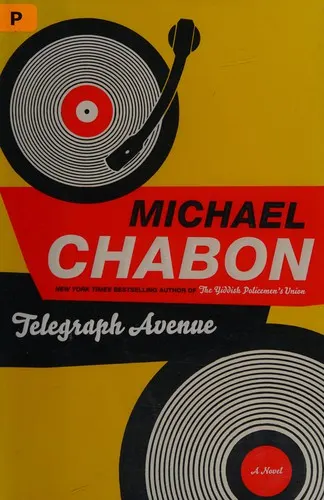
Brokeland Records, a beloved Oakland vinyl shop run by longtime friends Archy Stallings and Nat Jaffe, faces extinction when a megastore threatens the neighborhood. Around them, marriages strain, sons test their fathers, and old music carries debts that nostalgia cannot erase.
This is not merely another novel about records or urban change. Chabon shares Lethem’s appetite for abundance: soul music, commerce, race, masculinity, neighborhood mythology, and comic-book energy all crowd into sentences that seem determined to contain an entire community. Yet beneath the virtuosity is a searching portrait of interracial friendship—its intimacy, evasions, and unequal burdens. Chabon’s warmth makes the shop feel worth saving; his honesty prevents it from becoming a sentimental shrine.
If you loved Dissident Gardens
Daniel Isaacson is the son of executed Communist spies, trying to write his way through the public legend and private wreckage they left behind. His narration is abrasive, brilliant and unstable, shifting between personal memory, political argument and competing versions of history.
Like Dissident Gardens, Doctorow’s novel understands that radicalism is inherited not as a coherent program but as grievance, loyalty, shame and unfinished business. It also shares Lethem’s gift for making American political history feel bodily and domestic. Published in 1971 and long regarded as one of Doctorow’s defining achievements, The Book of Daniel is the indispensable novel about what happens when a family becomes a symbol—and its children must somehow remain people.
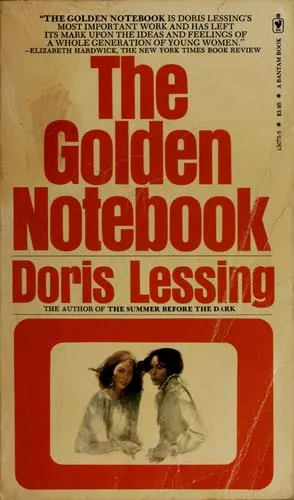
Anna Wulf, novelist and former Communist, divides her experience among separate notebooks: politics, fiction, memory and intimate life refuse to cohere. The book’s daring form makes ideological disillusionment something the reader experiences rather than merely hears discussed.
A reader who relished Lethem’s politically formidable, self-deceiving women will recognize Lessing’s refusal to make commitment either heroic or ridiculous. She captures party orthodoxy, sexual rivalry, exhausted idealism and the stubborn desire for a freer life with unnerving candor. The Golden Notebook became a landmark of postwar fiction and a touchstone for generations of women readers, though Lessing resisted reducing it to a feminist tract. Its intelligence remains ferociously alive.
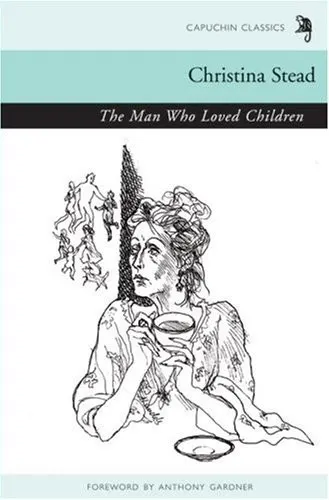
Christina Stead turns one spectacularly unhappy household into a complete political system. Sam Pollit is a charismatic humanitarian and compulsive talker whose benevolent ideals conceal a ravenous need to rule; his wife Henny answers him with operatic rage, while their children learn to survive inside the language their parents have invented.
The deepest kinship with Dissident Gardens lies in its understanding that grand beliefs can become instruments of family power. Stead’s prose is teeming, comic and merciless: every nickname, sermon and domestic ritual exposes another layer of love contaminated by domination. Neglected on publication and later championed by writers including Randall Jarrell, the novel is now widely regarded as Stead’s masterpiece. Its admirers tend to speak of it with the fervor reserved for a secret classic too enormous to remain secret.