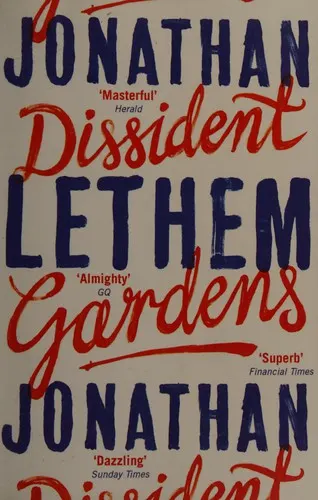
Books like Dissident Gardens
You’re drawn to novels in which political conviction is inseparable from family mythology—funny, furious books that treat ideology as both moral necessity and emotional inheritance. These three carry that charge in strikingly different ways.
If you liked Dissident Gardens, you’ll love these
Not lookalikes — kindred books. Each one shares something essential with Dissident Gardens, and we tell you exactly what.
Daniel Isaacson is the son of executed Communist spies, trying to write his way through the public legend and private wreckage they left behind. His narration is abrasive, brilliant and unstable, shifting between personal memory, political argument and competing versions of history.
Like Dissident Gardens, Doctorow’s novel understands that radicalism is inherited not as a coherent program but as grievance, loyalty, shame and unfinished business. It also shares Lethem’s gift for making American political history feel bodily and domestic. Published in 1971 and long regarded as one of Doctorow’s defining achievements, The Book of Daniel is the indispensable novel about what happens when a family becomes a symbol—and its children must somehow remain people.
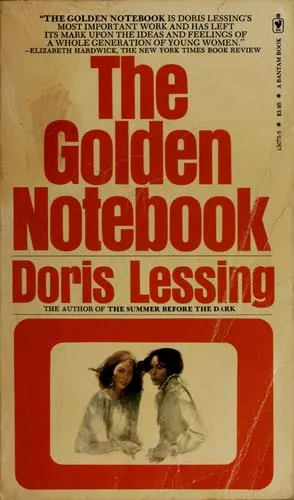
Anna Wulf, novelist and former Communist, divides her experience among separate notebooks: politics, fiction, memory and intimate life refuse to cohere. The book’s daring form makes ideological disillusionment something the reader experiences rather than merely hears discussed.
A reader who relished Lethem’s politically formidable, self-deceiving women will recognize Lessing’s refusal to make commitment either heroic or ridiculous. She captures party orthodoxy, sexual rivalry, exhausted idealism and the stubborn desire for a freer life with unnerving candor. The Golden Notebook became a landmark of postwar fiction and a touchstone for generations of women readers, though Lessing resisted reducing it to a feminist tract. Its intelligence remains ferociously alive.
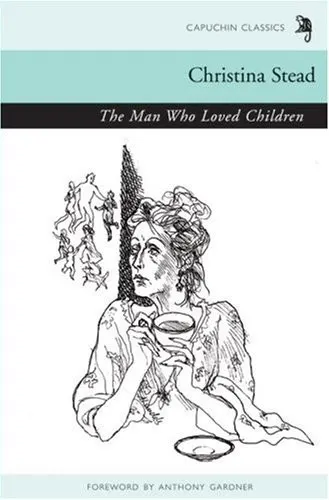
Christina Stead turns one spectacularly unhappy household into a complete political system. Sam Pollit is a charismatic humanitarian and compulsive talker whose benevolent ideals conceal a ravenous need to rule; his wife Henny answers him with operatic rage, while their children learn to survive inside the language their parents have invented.
The deepest kinship with Dissident Gardens lies in its understanding that grand beliefs can become instruments of family power. Stead’s prose is teeming, comic and merciless: every nickname, sermon and domestic ritual exposes another layer of love contaminated by domination. Neglected on publication and later championed by writers including Randall Jarrell, the novel is now widely regarded as Stead’s masterpiece. Its admirers tend to speak of it with the fervor reserved for a secret classic too enormous to remain secret.