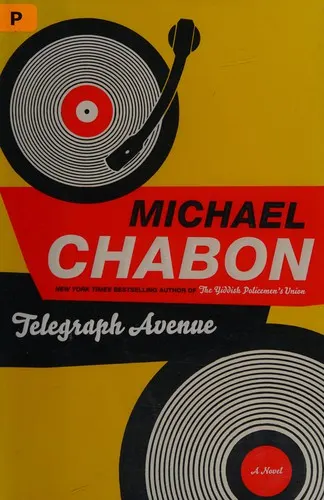
Books like Telegraph Avenue
Drop the needle and a whole neighborhood rises from the groove: hustlers and dreamers, old friendships under strain, comic riffs carrying real grief, and music turning private memory into public life. These three novels have that same expansive pulse.
If you liked Telegraph Avenue, you’ll love these
Not lookalikes — kindred books. Each one shares something essential with Telegraph Avenue, and we tell you exactly what.
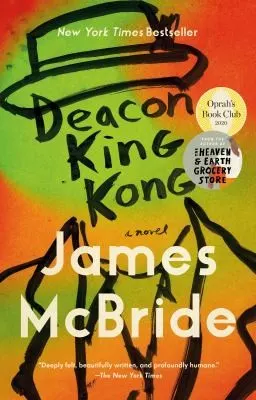
McBride’s Brooklyn housing project is as densely alive as Chabon’s Oakland: every doorway seems to release another grievance, joke, secret, or improbable act of loyalty. The novel opens with an elderly church deacon shooting a local drug dealer, then fans outward into a warm, antic portrait of the community around them.
Like Telegraph Avenue, it treats neighborhood institutions—churches, bars, informal businesses—as fragile ecosystems, and its comedy never trivializes the pressures of race, poverty, age, and change. McBride moves among characters with astonishing generosity, letting even minor figures acquire history and moral weight. Named one of The New York Times’s ten best books of 2020, it is the rare panoramic social novel that feels both exuberantly crowded and deeply intimate.
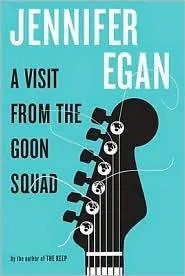
If the record-store soul of Telegraph Avenue mattered to you—the sense that music preserves vanished selves—read Egan. Her Pulitzer Prize-winning novel moves through the lives orbiting an aging punk-rock executive and his troubled assistant, shifting voices, decades, and forms as songs trigger longing, embarrassment, ambition, and regret.
Egan is less baroque than Chabon but just as delighted by structure and cultural texture. Characters who initially seem peripheral suddenly take center stage; swaggering anecdotes reveal bruised interiors; time itself becomes the force everyone is trying to outplay. Its formal daring made the novel influential, but readers remain devoted to it because beneath the ingenuity lies a devastatingly humane question: what survives after the music, and the person you once were, has changed?
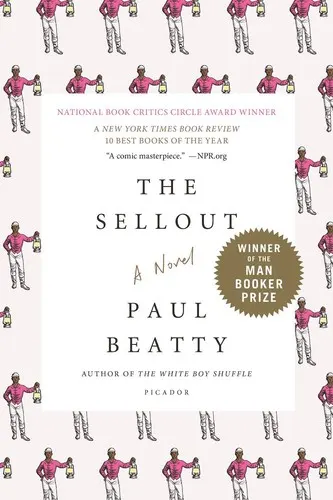
For readers intoxicated by Chabon’s high-speed sentences, racial candor, and willingness to make civic absurdity genuinely funny, The Sellout is indispensable. Beatty begins with a Black narrator facing the Supreme Court and works backward into the story of Dickens, California—a town erased from the map—and his outrageous attempt to restore it.
The kinship is tonal rather than merely topical: both novels use jokes, references, digressions, and verbal bravado to expose how race is lived beneath America’s official language. Beatty is harsher and more satirical than Chabon; every page seems to contain a line too audacious for anyone else to have written. The first American novel to win the Booker Prize, it earned that distinction without sanding down its provocations. Missing it means missing one of contemporary fiction’s funniest and most fearless performances.