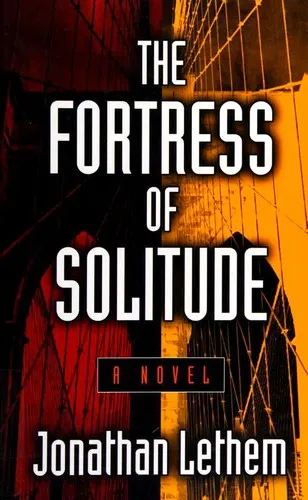
Books like The Fortress of Solitude
A city block humming with old records, vanished friendships, racial unease, and the ache of discovering that childhood never really releases its claim on adulthood.
If you liked The Fortress of Solitude, you’ll love these
Not lookalikes — kindred books. Each one shares something essential with The Fortress of Solitude, and we tell you exactly what.
Like Lethem, Beatty turns a boy’s racial education into something exuberantly funny, linguistically electric, and increasingly troubling. Gunnar Kaufman—poet, reluctant basketball phenomenon, and skeptical observer—is uprooted from sheltered Santa Monica and dropped into a Los Angeles neighborhood whose codes he must learn quickly.
Beatty’s celebrated debut has become a cult classic because its jokes never simplify the questions beneath them: Who gets to define Black authenticity? What happens when other people turn your gifts into a role you cannot escape? Its verbal swagger and collision of pop culture, humiliation, anger, and social history should feel instantly congenial to a reader who loved Lethem’s Dylan Ebdus. Few coming-of-age novels are this hilarious while remaining this merciless.
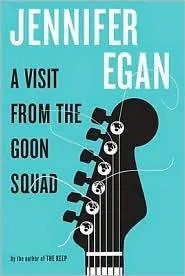
Egan understands, as Lethem does, that music is not decorative background—it is a machine for preserving selves that time is busy destroying. Beginning with record producer Bennie Salazar and his assistant Sasha, the novel moves among musicians, failures, friends, children, and former lovers, changing form and perspective as their lives intersect.
The Pulitzer Prize–winning result has the exhilaration of a great album: every section sounds different, yet recurring motifs gather emotional force. Its formal daring—including one justly famous chapter composed as a slide presentation—never obscures its tenderness toward compromised people. If the adult sections of The Fortress of Solitude left you haunted by talent, betrayal, and roads not taken, Egan’s novel is essential.
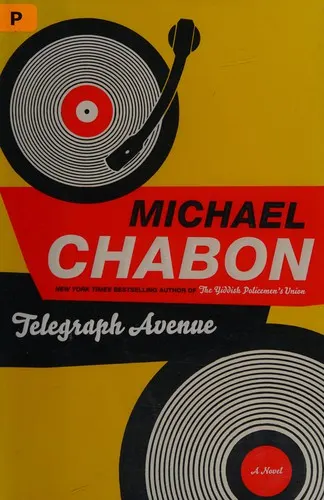
Brokeland Records, a beloved Oakland vinyl shop run by longtime friends Archy Stallings and Nat Jaffe, faces extinction when a megastore threatens the neighborhood. Around them, marriages strain, sons test their fathers, and old music carries debts that nostalgia cannot erase.
This is not merely another novel about records or urban change. Chabon shares Lethem’s appetite for abundance: soul music, commerce, race, masculinity, neighborhood mythology, and comic-book energy all crowd into sentences that seem determined to contain an entire community. Yet beneath the virtuosity is a searching portrait of interracial friendship—its intimacy, evasions, and unequal burdens. Chabon’s warmth makes the shop feel worth saving; his honesty prevents it from becoming a sentimental shrine.