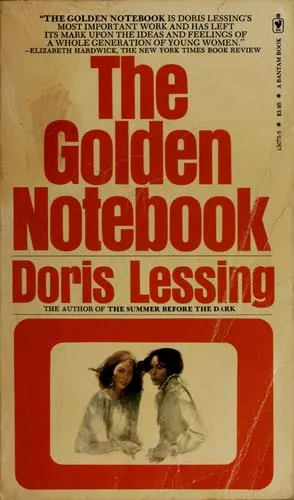
Books like The Golden Notebook
The Mandarins opens outward into the clamor of public argument, while Sleepless Nights turns inward, assembling a life from shards of memory. Together with The Quest for Christa T., they pursue Lessing’s great question: how can a woman make one life from her political convictions, erotic history, work, and divided selves?
If you liked The Golden Notebook, you’ll love these
Not lookalikes — kindred books. Each one shares something essential with The Golden Notebook, and we tell you exactly what.
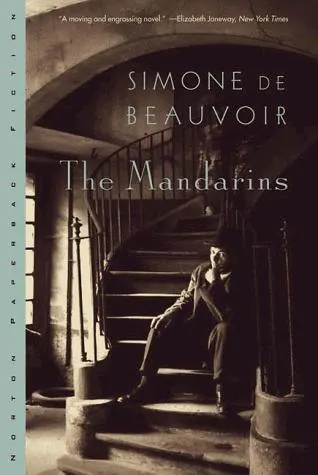
Like The Golden Notebook, this is a novel in which ideas have consequences—in friendships, beds, marriages, and careers. In postwar Paris, writers and activists argue over communism, political independence, and what literature can accomplish, while Anne, a psychoanalyst, observes the emotional wreckage beneath their principles. Beauvoir is merciless about the vanity mixed into commitment and the bad faith concealed inside love.
Winner of the Prix Goncourt, The Mandarins has the authority of a book written from within an intellectual world rather than researched from outside it. Yet its lasting force is intimate: Beauvoir understands that political disillusionment is also a crisis of identity. Readers who admired Lessing’s refusal to separate the woman, the lover, the writer, and the comrade will find an equally uncompromising intelligence here.
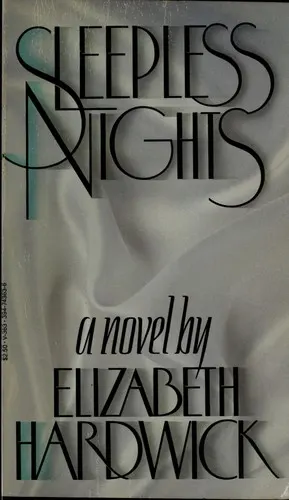
Hardwick’s slender, astonishing novel does with memory what Lessing does with Anna Wulf’s notebooks: breaks it into forms that reveal the falsity of a smooth, continuous life story. Letters, portraits, hotel rooms, overheard remarks, vanished lovers, and encounters with figures such as Billie Holiday flicker through a narrator’s recollections. The fragments accumulate not into a conventional plot but into a sensibility—elegant, lonely, alert, and unsparing.
Published in 1979 and increasingly recognized as a crucial precursor to contemporary autofiction, Sleepless Nights has inspired fierce devotion among writers. Its sentences possess the compression and afterglow of poetry, but its emotional intelligence is novelistic. If The Golden Notebook made fragmentation feel not ornamental but necessary, Hardwick’s book is indispensable.

A narrator tries to recover the truth of a dead friend from letters, diaries, remembered scenes, and scraps of testimony. Christa resists every ready-made identity offered to her, including the socially useful roles demanded by the new East Germany. The novel’s broken structure therefore becomes an ethical act: no official narrative, whether political or personal, is allowed to contain her.
Wolf’s 1968 novel became a defining—and controversial—work of East German literature because its scrutiny of socialist conformity came from a writer seriously invested in socialism’s promise. That tension will be instantly recognizable to a reader of Lessing: commitment is neither mocked nor protected from judgment. Brief, searching, and quietly devastating, The Quest for Christa T. asks whether integrity can survive the pressure to become coherent, exemplary, and legible to others.