Author
Books like James McBride
6 books we recommend to James McBride readers, drawn from The Good Lord Bird and Deacon King Kong — each with the reason why.
If you loved The Good Lord Bird
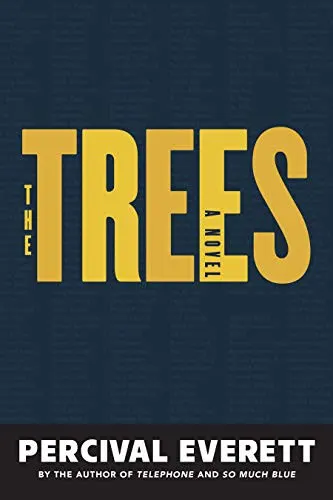
Everett performs a similarly dangerous balancing act: he makes racial terror ferociously funny without making it less terrifying. When a series of uncanny murders unsettles Money, Mississippi, the investigation expands into a reckoning with the violence America prefers to file away as history.
Shortlisted for the Booker Prize, The Trees moves with the snap of a crime caper while accumulating biblical fury. Its deadpan dialogue, grotesque comedy, and abrupt shifts into grief will feel exhilaratingly familiar to a McBride reader. Like The Good Lord Bird, it uses laughter not as relief from the past but as a weapon against the lies told about it.
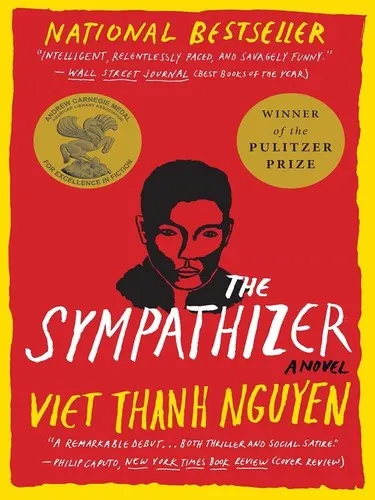
If Onion’s narration is what you loved most, meet another storyteller whose divided loyalties make every sentence unstable. Nguyen’s unnamed narrator is a South Vietnamese military officer, a communist spy, and a man gifted at seeing every side of an argument—often to his own ruin.
This Pulitzer Prize winner is at once an espionage novel, a confession, and a savage comedy about ideology. Nguyen punctures the heroic myths nations manufacture while keeping his compromised narrator intimate, witty, and painfully alive. Few novels match McBride’s ability to make historical absurdity entertaining sentence by sentence; this one does.
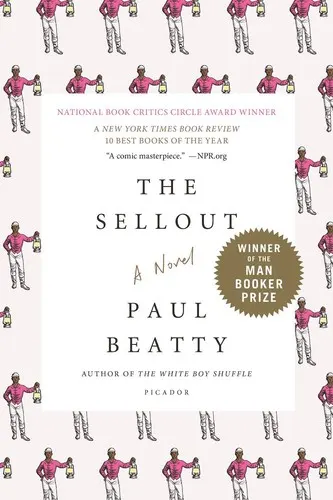
Beatty begins with an outrageous legal predicament and refuses to become respectable from there. His narrator, a Black farmer from a neglected corner of Los Angeles, responds to his community’s erasure with schemes so indefensible—and so rigorously argued—that the novel keeps forcing laughter into collision with disbelief.
The first American novel to win the Booker Prize, The Sellout earned its reputation through verbal daring rather than solemn importance. Its jokes arrive as riffs, reversals, insults, and intellectual ambushes, yet beneath them lies a serious question McBride also pursues: what happens when the official language of racial progress bears little relation to lived reality? Miss it, and you miss one of the few modern satires bold enough to make its own brilliance part of the danger.
If you loved Deacon King Kong
Ptolemy Grey is ninety-one, isolated, and losing his memory; the world treats him as disposable. Mosley does the opposite. He makes Ptolemy’s damaged consciousness vivid, funny, and consequential, then surrounds him with debts, buried histories, danger, and unexpected care.
Readers who loved Sportcoat will recognize Mosley’s tenderness toward an elderly Black man whom other people underestimate—and his ability to let comedy, violence, and moral seriousness occupy the same room. This is one of Mosley’s most beloved departures from detective fiction: intimate in scale, but capacious enough to hold a lifetime’s worth of injustice and love.

Gloria Naylor builds Brewster Place resident by resident, giving seven women stories that intersect across apartments, stoops, friendships, and feuds. Like McBride, she understands a neighborhood not as backdrop but as a living archive: everyone carries private pain, yet everyone’s choices alter the communal atmosphere.
Naylor’s humor is quieter and her tragedies sharper, but she shares McBride’s refusal to condescend. Even flawed or abrasive characters receive full imaginative dignity. Winner of the National Book Award for first fiction, this compact modern classic achieves the emotional force of a much longer epic; by its end, Brewster Place feels less like somewhere you have read about than somewhere you have lived.

A murdered man in a shabby hotel launches an investigation in an alternate-history Jewish settlement in Alaska, but the mystery soon becomes only one thread in a teeming social fabric. Chabon fills the book with hustlers, believers, cops, failures, chess players, estranged families, and institutions held together by improvisation.
The deepest resemblance to Deacon King Kong is tonal daring: slapstick can pivot into grief within a sentence, elaborate plotting never eclipses human need, and the language crackles with vernacular invention. Winner of the Hugo and Nebula awards, it is both a brilliantly engineered detective novel and a melancholy comedy about a people making a temporary home feel permanent. Few novels turn communal precarity into such exhilarating storytelling.